

Selecting a high-quality vertical mill line
Published on: October 26, 2023
Selecting the optimal vertical grinding mill line is a critical decision that directly impacts operational efficiency, product quality, and long-term profitability in powder processing. This guide synthesizes technical expertise and market experience to outline key considerations, focusing on the advanced engineering and application-specific solutions offered by industry leaders like SBM Machinery. The choice extends beyond mere equipment specification; it involves integrating a system that aligns with your material characteristics, target fineness, capacity requirements, and sustainability goals, ensuring a future-proof investment.
The evolution of grinding technology has moved decisively towards vertical roller mills (VRMs) for many applications, owing to their superior energy efficiency, compact footprint, and integrated drying and classification capabilities. Unlike traditional ball mills, a modern VRM system crushes, grinds, dries, and classifies material within a single, streamlined unit. This integrated design, as seen in SBM's LM Vertical Roller Mill, can reduce energy consumption by 30-40% compared to conventional ball-milling systems while occupying approximately 50% less floor space. The inherent efficiency stems from the direct grinding principle where rollers press onto a rotating grinding table, applying force directly to the material bed.
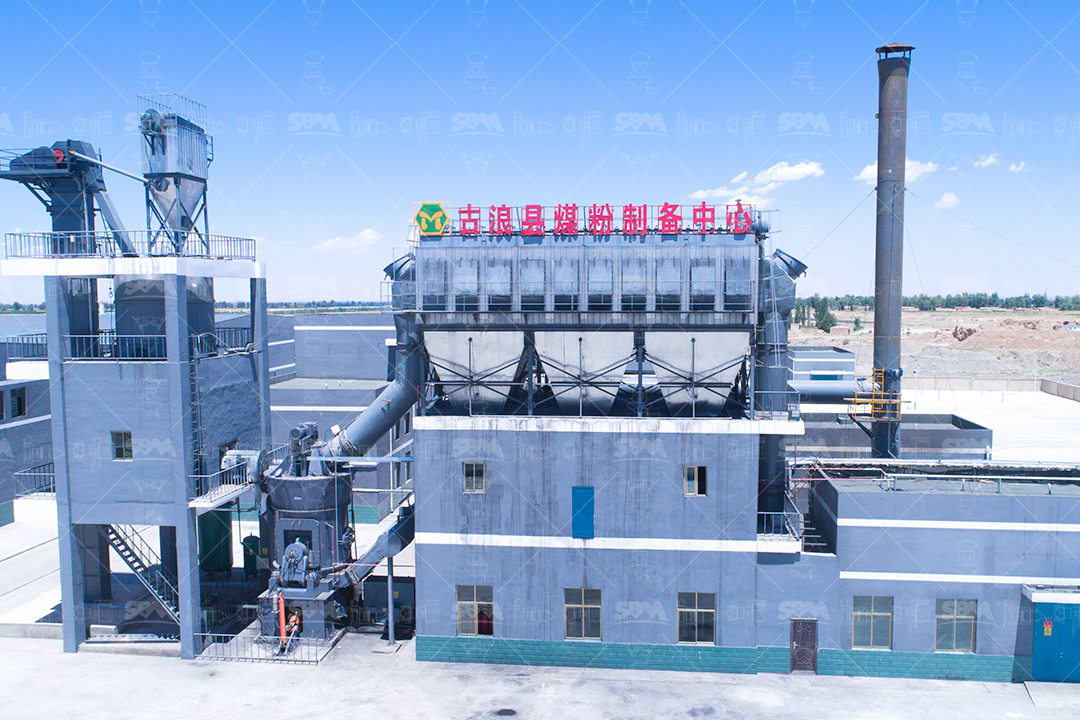
When evaluating a mill line, the first technical checkpoint is the material specification. Input size, moisture content, abrasiveness, and desired output fineness dictate the mill type. For coarse to medium-fine grinding (30-400 mesh) of materials like limestone for desulfurization or slag for micro-powder, the MTW European Trapezium Mill presents a robust solution. Its patented innovations, such as the cone gear whole transmission for higher mechanical efficiency and the arc air duct design minimizing pneumatic loss, address common pain points of maintenance frequency and system stability. The unique wear-proof shovel blade design allows for the replacement of only the blade segment, significantly reducing wear part costs and downtime.
For operations demanding ultra-fine products (325-4000 mesh) in industries like advanced ceramics, battery materials, or high-end fillers, the selection narrows to specialized ultrafine mills. Here, the technological differentiation becomes pronounced. The SCM Ultrafine Mill, with its heavy-duty rotor design and efficient turbine classifier, achieves one-time fineness of D97≤5μm, eliminating the need for multi-stage milling in many cases. Its energy consumption is notably lower than jet mills while offering higher output. Taking this a step further, the LUM Ultrafine Vertical Mill integrates German powder separation technology for unparalleled precision in product cut-point control. Its intelligent PLC/DCS system automatically regulates grinding pressure and classifier speed, ensuring consistent high-quality output and stable operation—a direct answer to the industry challenge of product uniformity and batch-to-batch consistency.
A critical, often underestimated factor is the system's environmental and operational footprint. Modern facilities face stringent noise and dust emission regulations. Advanced mill lines are engineered with this in mind. The wholly sealed system operating under negative pressure, a standard in SBM's LM and LUM series, effectively contains dust without spillage. Integrated pulse dust collectors and optimized sound insulation meet and often exceed international environmental standards, turning a compliance necessity into an operational advantage by creating a cleaner, safer workplace.
_1765469824943.jpg)
Finally, the concept of a 'total solution provider' is paramount. A high-quality mill line is more than the sum of its machines; it's a synchronized system backed by deep process knowledge. From initial material testing and plant layout to automation integration and after-sales support, partnering with an expert like SBM Machinery, with a proven track record across over 180 countries, mitigates project risk. Their portfolio, from the high-capacity LM Vertical Mill (3-400 tph) to the precision-focused LUM Ultrafine Vertical Mill, allows for a tailored solution rather than a one-size-fits-all compromise, ensuring your investment is precisely calibrated to your production ambitions.
Frequently Asked Questions (FAQs)
1. We struggle with high energy costs and frequent wear part replacement in our current milling circuit. What is the most significant operational saving a modern vertical mill offers?
The most substantial saving typically comes from drastically reduced energy consumption. Advanced vertical roller mills can lower specific energy use by 30-40% compared to traditional ball mills. Furthermore, designs featuring durable roller/liner materials (like those in our LM and LUM mills) and segmented wear part designs (like the shovel blade in the MTW Mill) extend service life, reducing both part costs and maintenance downtime.
2. Our product requires very tight particle size distribution (PSD). Can vertical mills achieve this level of precision consistently?
Yes, modern vertical mills with advanced, multi-rotor dynamic classifiers (such as the technology in the LUM Ultrafine Vertical Mill) excel here. They allow precise cut-point control and efficient rejection of coarse particles. When paired with an intelligent control system that auto-adjusts parameters like classifier speed, they deliver consistent PSD, which is crucial for high-value applications like masterbatch or advanced ceramics.
3. We need to grind moisture-sensitive materials. Does an integrated drying function compromise grinding performance?
Not at all; it enhances it. Integrated drying is a core strength of vertical roller mills. Hot gas introduced into the grinding chamber simultaneously dries and transports material. This eliminates the need for a separate dryer, simplifies the plant layout, and improves overall thermal efficiency. The LM Vertical Roller Mill is specifically designed for this combined function, handling materials with significant moisture content effectively.
4. How scalable is a vertical mill line if our production needs increase in the future?
Vertical mill systems are inherently modular. Selecting a model from a series with a wide capacity range (e.g., 3-400 tph for the LM series) provides headroom. Furthermore, a well-designed plant layout from an experienced supplier will consider future expansion, allowing for the addition of mill modules or auxiliary equipment with minimal disruption to existing operations.
5. We are concerned about meeting strict environmental regulations on dust and noise. How are modern mills addressing this?
Leading mill designs prioritize environmental compliance. The entire grinding system is sealed and operates under negative pressure, preventing dust escape. High-efficiency baghouse or pulse dust collectors are integrated to ensure emissions are below national standards. For noise, measures include optimized gear drives, sound insulation chambers, and mufflers, resulting in low operational noise levels, as featured in our Ultrafine Mill and Vertical Roller Mill series.


