

Factors affecting vertical mill price
Published: October 26, 2023
When evaluating the investment in a vertical roller mill, the initial purchase price is just one component of a complex financial equation. The total cost of ownership is influenced by a multifaceted array of factors, from the mill's core design and technological sophistication to its operational efficiency, longevity, and the specific demands of the application. For global industries ranging from power generation and cement production to advanced non-metallic mineral processing, selecting the right grinding solution requires a deep understanding of how these technical and operational variables interact to define long-term value. This article explores the key determinants that shape the investment profile of vertical milling equipment, highlighting how advanced engineering translates into tangible economic benefits over the machine's lifecycle.
The foundational factor influencing a vertical mill's value proposition is its core design and manufacturing technology. A mill engineered with proprietary, patented systems inherently offers superior performance and durability, which amortizes its cost over a longer, more productive service life. For instance, innovations like an inner oil absorption lubrication system or a cone gear whole transmission—features developed from extensive R&D and customer feedback, as seen in SBM's MTW European Trapezium Mill—significantly enhance mechanical efficiency and reliability. These design elements reduce friction, minimize energy loss, and decrease the frequency of major interventions, directly lowering long-term operating expenses. The integration of such advanced technologies is not merely an incremental upgrade but a fundamental re-engineering that addresses the inherent limitations of conventional mills.
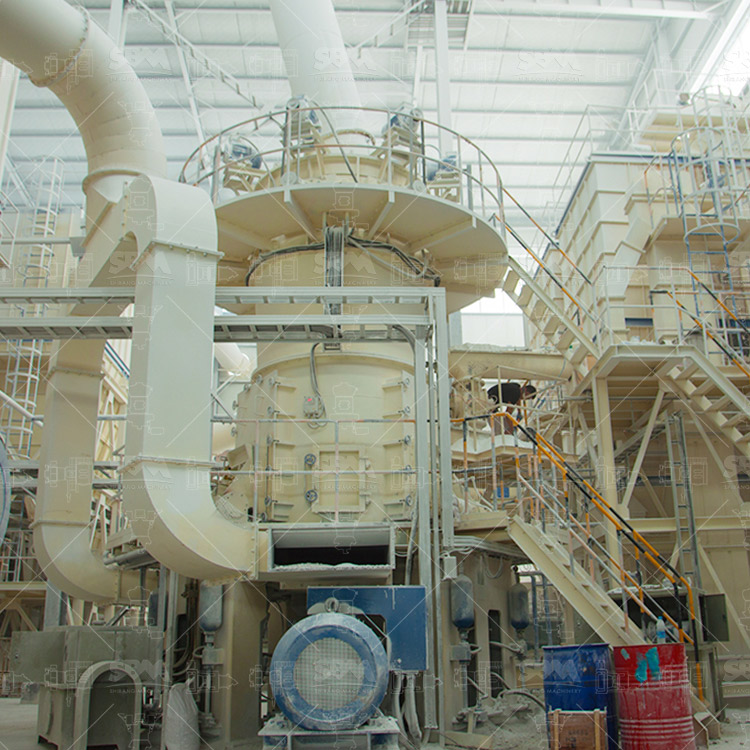
Operational efficiency is perhaps the most direct driver of lifetime cost. A vertical mill's energy consumption per ton of processed material is a critical metric. Modern vertical roller mills, such as SBM's LM series, are designed to integrate crushing, drying, grinding, and classification into a single, compact unit. This integrated approach can reduce energy consumption by 30% to 40% compared to traditional ball milling systems. The efficiency gains stem from the grinding principle itself, where rollers directly compress material on a rotating table, and from intelligent system design that minimizes parasitic losses in air flow and power transmission. Furthermore, automated control systems that allow for remote operation and precise adjustment of parameters like grinding pressure and classifier speed optimize performance in real-time, ensuring the mill operates at its peak efficiency point under varying feed conditions.
The cost and frequency of maintenance, along with the durability of wear parts, constitute a major portion of ongoing operational expenditure. Here, material science and component design are paramount. Features like a unique wear-proof perching knife design, where only the shovel blade needs replacement, or the use of special alloy materials for rollers and grinding plates dramatically extend service intervals. The operational stability of the mill also plays a role; a design that ensures smooth, low-vibration operation, such as one with a heavy, balanced rotor, inherently causes less stress on mechanical components, leading to less unscheduled downtime and lower repair costs over decades of service.
Application specificity and final product requirements are decisive factors. Not all vertical mills are created equal, and their value is directly tied to their suitability for the task. For standard limestone desulfurization or slag powder production, a high-capacity LM Vertical Roller Mill with robust construction might offer the best balance. However, for industries requiring ultra-fine powders, such as high-end plastics, paints, or new energy materials, a specialized mill like the LUM Ultrafine Vertical Mill or the SCM Ultrafine Mill becomes necessary. These mills incorporate advanced powder separation technologies (e.g., multi-rotor classifiers) and precise fineness control mechanisms to achieve products in the 2500-4000 mesh range. The technological complexity required to achieve such fineness, ensure product uniformity, and maintain stable output at high yields is a significant value driver, as it enables producers to enter high-value market segments.
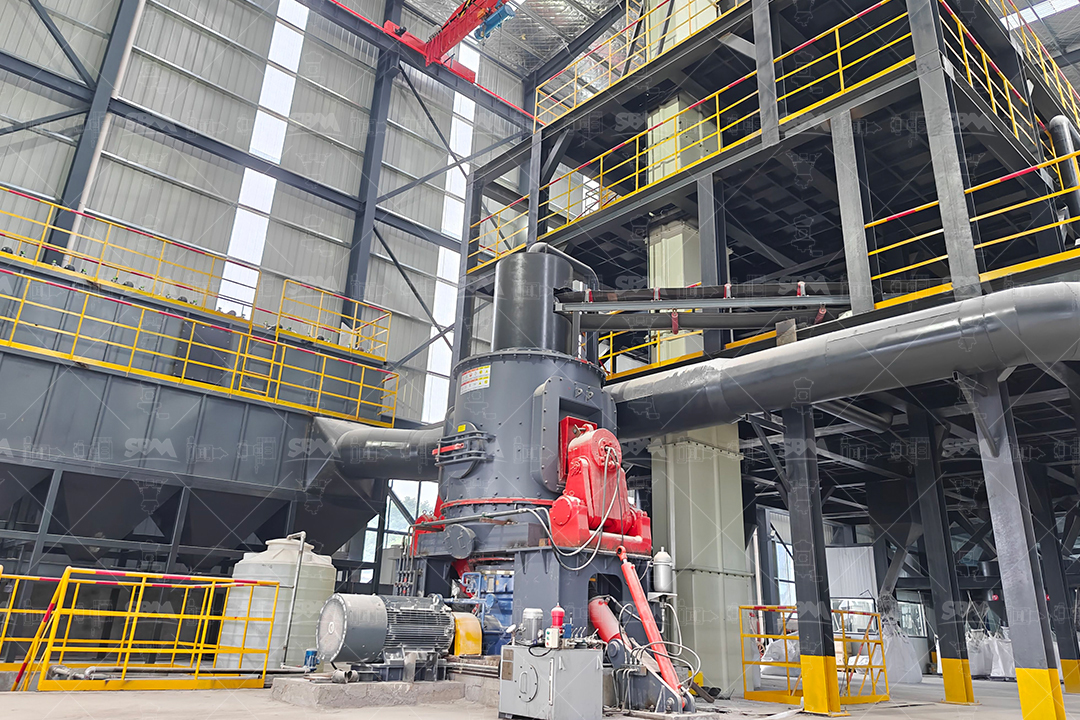
Finally, environmental compliance and system footprint are increasingly critical cost factors, both in terms of capital expenditure and social license to operate. A modern vertical mill designed to operate under full negative pressure with a completely sealed system eliminates dust spillage, meeting stringent international emission standards without requiring extensive additional filtration infrastructure. Similarly, integrated noise reduction designs lower the cost of acoustic enclosures. The compact system layout, occupying up to 50% less space than a ball mill circuit, reduces civil construction costs and allows for outdoor installation, further decreasing the overall project investment. These environmental and design efficiencies are no longer optional but essential components of a sustainable and economically viable grinding solution.
In conclusion, the economic assessment of a vertical mill must look beyond the invoice. The true value is engineered into the equipment through intelligent design that maximizes throughput and energy efficiency, minimizes wear and maintenance, delivers precisely the required product quality, and seamlessly integrates into modern, environmentally conscious plants. By focusing on these total-lifecycle performance factors, investors can make a choice that ensures competitiveness and profitability for years to come.
Frequently Asked Questions (FAQs)
Q1: We are concerned about high energy bills. How can a vertical mill help reduce our operating costs?
A: Modern vertical mills like the LM series are designed for integrated grinding and drying, consuming 30-40% less energy than traditional ball mills. Features like efficient gear drives and optimized air flow further minimize power usage, directly lowering your cost per ton of output.
Q2: Frequent shutdowns for replacing worn rollers and liners are killing our productivity. What solutions exist?
A: This is a common pain point. Advanced mills address this through superior material technology (special alloys for grinding parts) and innovative designs, such as curved shovel blades that reduce abrasive wear. These features can extend service life multiple times, drastically reducing downtime and spare parts costs.
Q3: We need to produce very fine powders (over 2500 mesh) consistently. Is a standard vertical mill sufficient?
A: For ultra-fine applications, a specialized ultrafine vertical mill (e.g., LUM or SCM series) is required. They incorporate high-precision turbine classifiers and advanced grinding curves to achieve and maintain tight fineness distributions (D97 ≤5µm) reliably, which standard mills cannot.
Q4: Dust control and noise are major issues for our plant's environmental permits. How are modern mills addressing this?
A: Leading mills are designed as fully sealed systems operating under negative pressure, preventing any dust escape. Combined with efficient pulse dust collectors, they exceed environmental standards. Furthermore, integrated sound insulation and stable, low-vibration operation ensure noise levels are kept to a minimum, simplifying compliance.
Q5: Our process requires adjusting fineness for different products. Is changing settings complex and time-consuming?
A: Not with contemporary technology. Mills equipped with intelligent PLC/DCS control systems and frequency converters allow for easy, remote adjustment of key parameters like classifier speed. This enables fast, stable switching between different product specifications without manual mechanical changes, ensuring flexibility and saving labor.


