

Price of cement superfine mills
Published on: October 26, 2023
The selection of superfine grinding equipment for cement and mineral processing is a critical capital decision, directly impacting long-term operational efficiency, product quality, and total cost of ownership. While initial investment is a consideration, the true 'price' is measured across the entire lifecycle of the mill—encompassing energy consumption, wear part longevity, maintenance complexity, and final product consistency. Modern advancements have shifted the paradigm from mere particle size reduction to integrated systems that optimize grinding, classification, drying, and material handling. This article explores the technical evolution of superfine milling solutions, focusing on how innovative engineering addresses core industry challenges to deliver superior value beyond the purchase order.
The quest for finer cement blends and supplementary cementitious materials (SCMs) like slag or fly ash demands precision grinding technology. Traditional ball mills, while robust, often struggle with efficiency at higher fineness ranges, leading to disproportionate energy use and media wear. The industry's progression has been toward mills designed for specific applications, balancing throughput, particle size distribution (PSD), and system footprint.
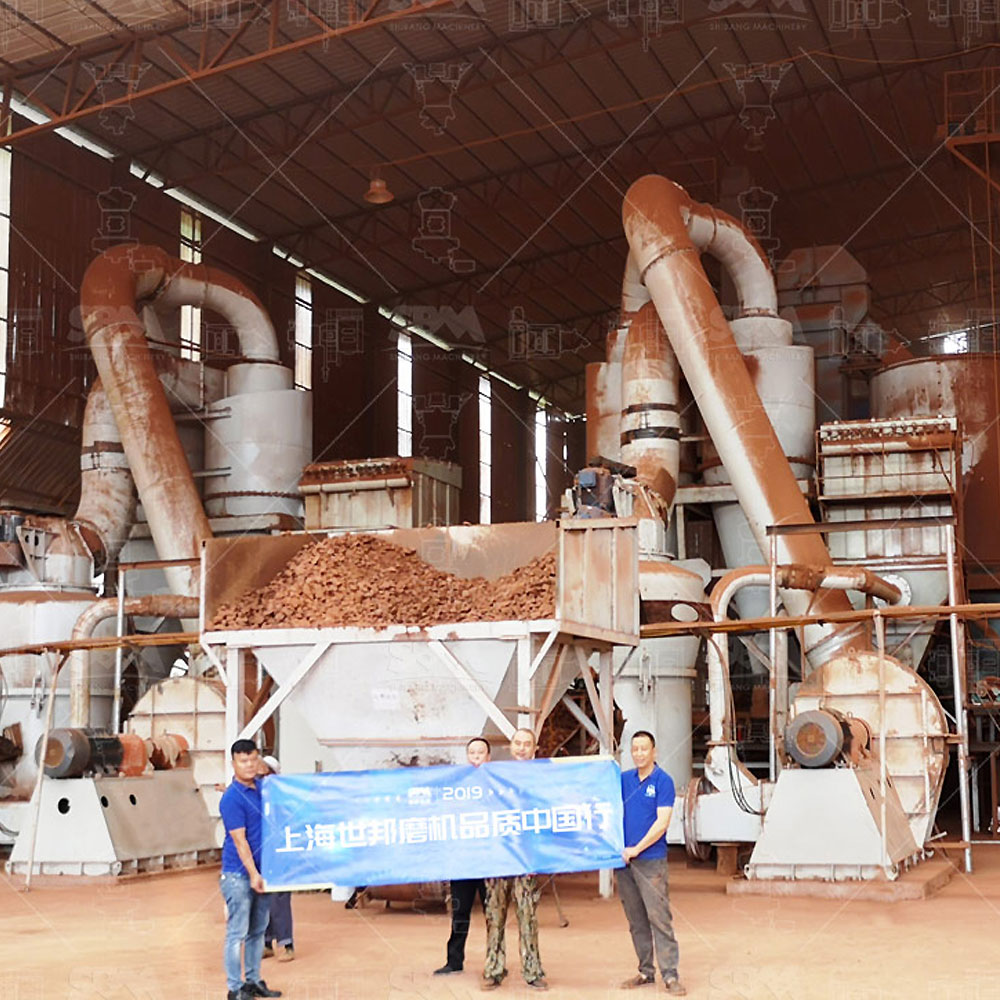
One significant leap is the development of advanced vertical roller mills (VRMs). These systems integrate multiple processes—crushing, grinding, drying, and separation—into a single, compact unit. By utilizing a grinding plate and rollers, material is ground directly on the table, significantly reducing energy consumption by 30-40% compared to conventional ball-milling systems. The inherent design allows for operation under negative pressure, ensuring dust-free operation and meeting stringent environmental standards. For cement producers, this translates to lower operating costs per ton and a smaller physical footprint, often just 50% of a ball mill system's area, which drastically reduces civil engineering costs.
When the application calls for ultra-fine or specialized mineral powders, such as for high-performance concrete or advanced building materials, ultrafine grinding mills become essential. These mills employ specialized grinding curves for rollers and liners, promoting stable material bed formation and efficient particle-on-particle comminution. With fineness adjustable from 325 to over 2500 mesh, and capable of achieving a one-time fineness of D97≤5μm, they eliminate the need for multi-stage grinding in many cases. A key differentiator is the advanced powder classifier technology, often utilizing multi-rotor or high-efficiency turbine designs. This ensures precise cut-point control, preventing coarse particle spillover and guaranteeing a consistent, high-quality product spectrum critical for cement performance.
Beyond the grinding mechanism itself, intelligent control systems now form the backbone of operational economics. Modern mills are equipped with PLC/DCS-based expert systems that automate critical parameters: grinding pressure, classifier speed, and feed rate. This automation enables remote monitoring and control, stabilizing operations, optimizing energy use in real-time, and reducing labor dependency. The result is not just consistency in output but also predictive maintenance capabilities, as the system can alert operators to anomalies before they lead to downtime or product deviation.
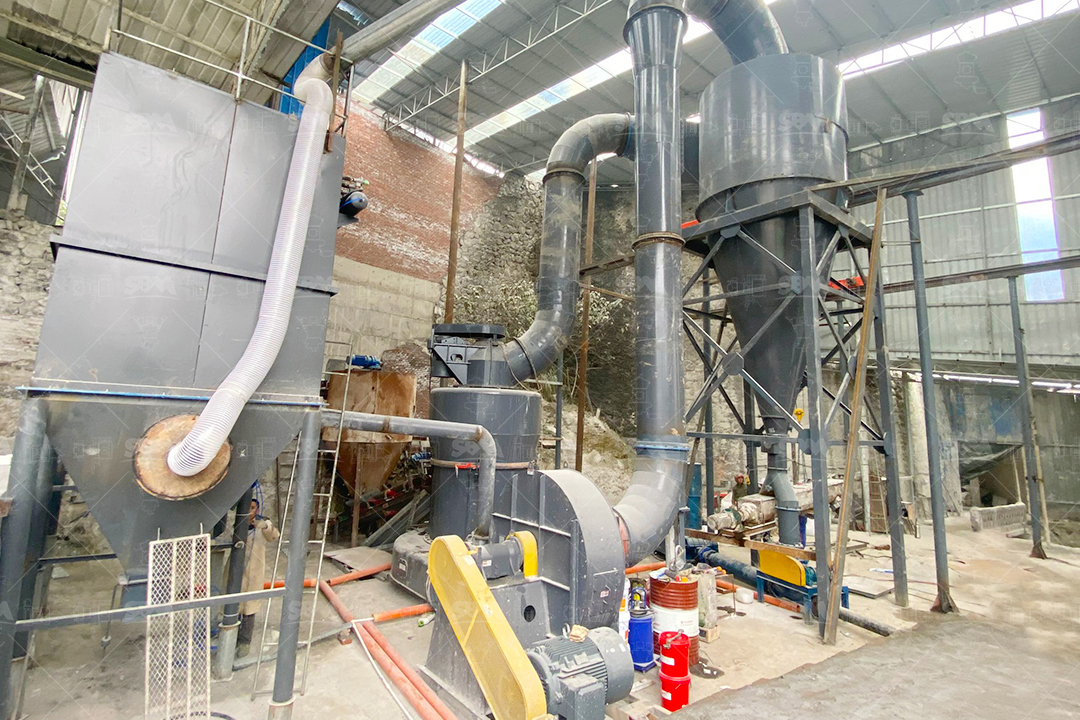
Durability and maintenance costs constitute a major portion of the long-term 'price' of ownership. Innovations like combined-type, wear-proof shovel blades, special alloy rollers and rings, and inner oil absorption lubrication systems are engineered to extend service intervals. For instance, designs where only specific wear segments need replacement, rather than entire assemblies, minimize downtime and spare parts inventory. The move toward whole gear transmission systems, such as integral bevel gears, further enhances mechanical efficiency and reliability while saving space.
Ultimately, evaluating superfine mills requires a holistic view. The most cost-effective solution is one that aligns with specific material characteristics, desired fineness, capacity requirements, and sustainability goals. It is the synergy of high-efficiency grinding, intelligent automation, rugged durability, and environmental compliance that defines the true value proposition for today's cement and mineral processing operations.
Frequently Asked Questions (FAQs)
Q1: We struggle with high energy costs from our existing grinding circuit. What solutions can significantly reduce power consumption?
A: Modern vertical roller mills and advanced ultrafine mills are designed for high efficiency. By integrating grinding, drying, and classification, they can reduce energy consumption by 30-40% compared to traditional ball mills. Features like optimized grinding curves, efficient classifiers, and frequency-conversion drives further minimize power usage per ton of product.
Q2: Achieving a consistent and ultra-fine product fineness (e.g., below 10μm) is challenging. How can we improve PSD control?
A: This requires precise classification technology. Advanced mills utilize high-efficiency turbine or multi-rotor powder classifiers with PLC-controlled speed regulation. This allows for accurate cut-size customization and prevents coarse powder spillover, ensuring a tight and consistent particle size distribution from a single pass.
Q3: Maintenance downtime and the cost of wear parts are major operational headaches. How are newer mills addressing this?
A: Designs focus on extended wear life and easier maintenance. Examples include special material rollers/rings lasting several times longer, combined-type shovel blades where only the blade tip is replaced, and lubrication systems that reduce bearing wear. Furthermore, stable operation with minimal vibration inherently reduces mechanical stress.
Q4: Our plant space is limited. Can a high-capacity grinding system fit a compact layout?
A: Yes. Integrated vertical mills and ultrafine vertical mills have a significantly smaller footprint than traditional systems—often about 50% of a ball mill circuit. Their vertical design and integration of multiple functions into one unit allow for compact, even outdoor, installation, reducing civil costs.
Q5: We need to meet strict environmental regulations on dust and noise. Are modern mills compliant?
A: Absolutely. Contemporary designs operate under fully sealed, negative-pressure systems, preventing dust spillover entirely. Efficient pulse dust collectors ensure emissions meet international standards. Additionally, optimized sound insulation chambers and mill structures effectively control noise pollution, facilitating compliance with workplace and environmental regulations.


