

Causes of negative pressure mill cracking
Published: October 26, 2023
Negative pressure grinding systems, particularly vertical roller mills and advanced trapezium mills, are engineered for efficiency, environmental compliance, and stable operation. However, the occurrence of mill body or component cracking represents a critical failure point that can lead to significant downtime, safety hazards, and costly repairs. This article explores the primary technical and operational causes behind such cracking incidents, drawing upon extensive industry experience and SBM Machinery's deep expertise in designing robust grinding solutions. We will analyze factors ranging from material fatigue and thermal stress to improper system balancing and operational oversights, while highlighting how modern mill design philosophies—exemplified by SBM's MTW European Trapezium Mill and LUM Ultrafine Vertical Mill—incorporate specific features to mitigate these risks and ensure long-term structural integrity.
The phenomenon of cracking in a negative pressure mill is rarely attributable to a single cause. More often, it is the result of a confluence of factors that stress the mill's structure beyond its designed limits. One of the most prevalent causes is thermal stress and thermal shock. Grinding operations generate substantial heat, and the mill housing, rollers, and classifier components expand accordingly. In a well-designed system, this expansion is accounted for. However, rapid startup from a cold state, sudden interruptions in feed material (which acts as a heat sink), or failures in the integrated drying or cooling systems can create severe temperature gradients. These gradients induce uneven expansion and contraction, leading to high localized stresses that can initiate cracks, particularly at weld joints or areas with abrupt changes in cross-section.
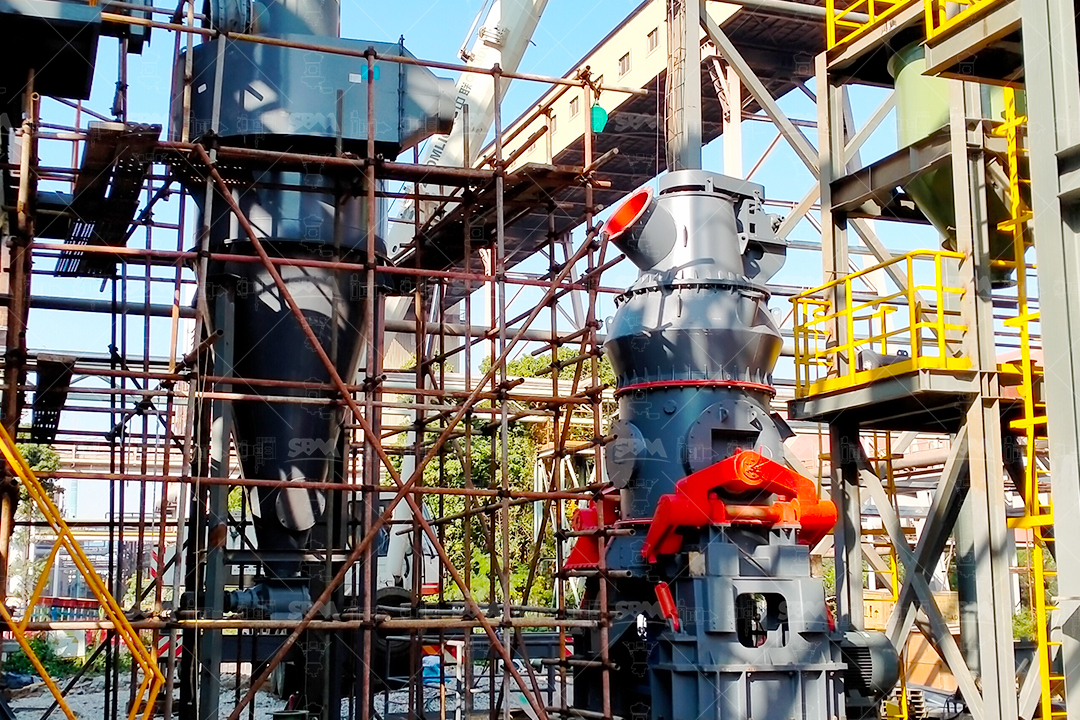
Another critical factor is mechanical vibration and imbalance. A mill operating under negative pressure is a complex dynamic system. Imbalances can originate from uneven wear of grinding rollers and tables, accumulation of material in the grinding chamber, misalignment of the main transmission system (such as the bevel gear), or issues with the classifier rotor. Over time, these vibrations impose cyclic fatigue loads on the mill's structure. SBM's engineering approach directly addresses this. For instance, the heavy rotor design and tight dynamic balancing in our SCM Ultrafine Mill ensure the grinding chamber operates stably with minimal vibration. Similarly, the integrated cone gear whole transmission in the MTW Series Mill provides smoother power delivery with higher efficiency, reducing the risk of torsional vibrations that could stress the mill base.
Material fatigue and wear is a gradual but inevitable process that can precipitate cracking. The constant impact and grinding pressure degrade critical components. When wear is uneven or exceeds design expectations, it alters the load distribution. A severely worn grinding roller exerts uneven force on the grinding table, transferring asymmetric loads to the mill's foundation and housing. SBM combats this through advanced material science and design. Our mills utilize special alloy materials for rollers and rings, offering durability several times higher than conventional options. The unique wear-proof perching knife (shovel blade) design in the MTW Mill allows for the replacement of only the blade segment, maintaining the original geometry and balance of the grinding system for longer, which prevents the abnormal stress concentrations that lead to cracking.
Operational errors and system design flaws constitute a significant category of root causes. Over-pressure operation, where the hydraulic system exerts more pressure on the grinding rollers than specified, is a common culprit. This often happens when chasing higher output without adjusting other parameters. Improper system sealing and negative pressure fluctuations are also critical. While operating under negative pressure prevents dust spillover—a key feature of SBM's LM and LUM vertical mills—excessive negative pressure can create inward structural stress on the mill housing. Furthermore, if the system has leaks, the induced draft fan works harder to maintain pressure, causing pulsations that stress the ducting and mill connections. SBM's arc air duct design and unobstructed wear-resistant volute ensure smooth, efficient airflow with minimal energy loss and pulsation, promoting stable internal pressure.
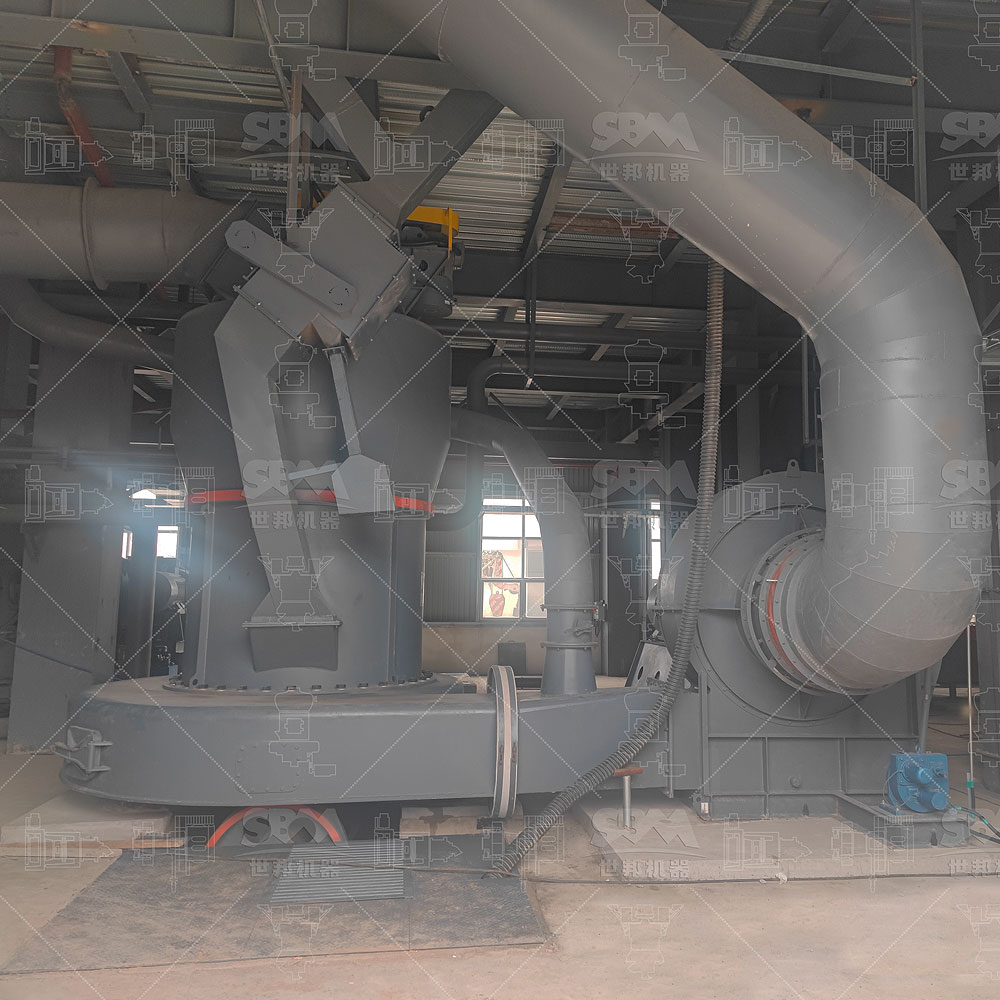
Finally, corrosion and chemical attack can weaken metal structures, making them more susceptible to stress-induced cracking. This is especially relevant in processes involving moist, acidic, or chemically active materials. While the primary grinding zone may be dry, condensation can form in other parts of the system. SBM's holistic design considers this by promoting a stable thermal environment and using protective coatings or materials suited for specific applications, as seen in our mills serving desulfurization, slag processing, and chemical industries.
In conclusion, preventing mill cracking requires a holistic approach that combines robust mechanical design, intelligent operational control, and proactive maintenance. SBM Machinery's portfolio, from the high-capacity LM Vertical Roller Mill to the precision-focused LUM Ultrafine Vertical Mill, is built with these principles. Features like PLC/DCS automatic control systems for stable grinding pressure, expert systems for remote monitoring, and designs that ensure even material bed formation all contribute to operating within safe mechanical envelopes. By understanding the root causes—thermal stress, vibration, wear, operational extremes, and corrosion—operators can work with engineering partners like SBM to select, configure, and maintain grinding systems that deliver not only high performance and energy efficiency but also exceptional reliability and longevity, safeguarding your investment against the disruptive and costly event of a mill crack.
Frequently Asked Questions (FAQs)
- We frequently experience sudden vibration spikes followed by minor cracks near the mill base. What could be the primary cause?
This pattern strongly suggests an imbalance issue, likely from uneven roller wear or material accumulation. Implementing a strict wear monitoring and replacement schedule for grinding components, and ensuring the dynamic balancing system (like the one in SBM's ultrafine mills) is functional, is crucial. - Can operating the mill at a higher negative pressure than recommended improve dust collection but risk cracking?
Yes, absolutely. Excessive negative pressure imposes additional structural stress on the mill housing and ducting. It is vital to operate within the designed pressure range. SBM mills are engineered with optimal sealing and efficient dust collection systems (e.g., powder collectors + pulse dust collectors) to meet environmental standards without requiring excessive negative pressure. - After a power outage and rapid restart, we noticed a hairline crack. Why?
This is a classic case of thermal shock. The rapid cooldown during the outage followed by a fast startup creates severe thermal stress. Always follow a controlled, gradual startup procedure to allow the mill structure to heat evenly, a process supported by SBM's automated control systems. - How does the design of grinding rollers and tables specifically influence long-term structural health?
Uneven wear on these components is a major source of imbalanced load. SBM uses special, durable materials and designs like curved shovel blades (MTW Mill) and optimized grinding curves (LUM Mill) to promote even wear and stable material bed formation, distributing grinding forces evenly and protecting the mill's structure. - We want to increase output. Is simply increasing grinding roller pressure a safe method?
No, it is a high-risk practice that can directly lead to overloading and cracking. Output increases should be a holistic review involving feed rate, classifier speed, system airflow, and pressure, ideally guided by the mill's automation system. SBM's expert control systems can help optimize parameters safely for increased capacity.


