

Safety in mill production processes
Published on: October 26, 2023
Ensuring safety in industrial milling operations extends far beyond basic compliance; it is an integrated philosophy that encompasses equipment design, operational protocols, and systemic risk mitigation. A safe mill is inherently linked to stable, efficient, and predictable performance. Modern grinding solutions address this by embedding safety into their core engineering—through stable mechanical structures that minimize vibration and failure risks, intelligent control systems that prevent human error, and sealed designs that contain dust and reduce explosive hazards. This article explores how advanced milling technology, from vertical roller mills to ultrafine systems, fundamentally enhances operational safety by tackling the root causes of common industrial accidents, thereby protecting personnel, ensuring continuity, and safeguarding substantial capital investment.
The foundation of mill safety begins with mechanical integrity and operational stability. Unpredictable vibrations, component failures, and uncontrolled dust are primary catalysts for catastrophic events. Equipment like the LM Vertical Roller Mill is engineered with this in mind. Its compact, integrated design—combining crushing, drying, grinding, and separation—reduces the number of transfer points and potential leak sources. The system operates under negative pressure, a critical feature that ensures any fine particles are drawn into the collection system rather than escaping into the plant environment. This not only meets stringent environmental standards but directly mitigates the risk of combustible dust explosions, a severe hazard in industries processing materials like coal, petroleum coke, or certain minerals.
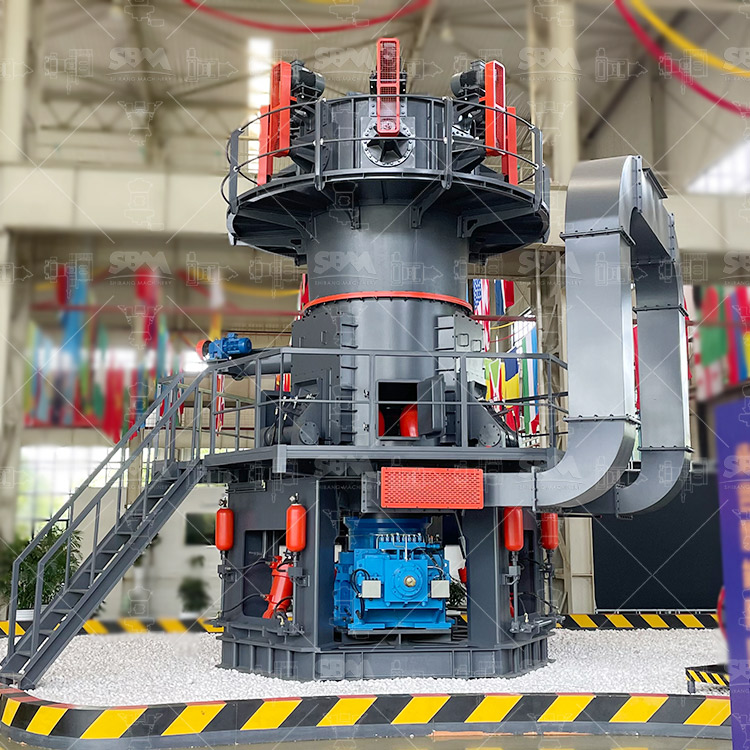
Transitioning from containment to prevention, the role of intelligent automation cannot be overstated. Human intervention in critical grinding processes is a significant vulnerability. Advanced mills are now equipped with expert automatic control systems, such as those found in the LUM Ultrafine Vertical Mill and LM series. These PLC/DCS-based systems allow for precise, remote monitoring and control of key parameters like grinding pressure, rotational speed, and classifier settings. By enabling stable, repeatable operation and free switching between remote and local control, they minimize the need for personnel to be in close proximity to running machinery for adjustments. This directly reduces exposure to moving parts, high temperatures, and potential noise hazards. Furthermore, automatic feedback loops ensure the mill operates within its optimal safety envelope, preventing conditions like overloading or excessive temperature rise that could lead to mechanical stress or fire.
Component wear is another silent adversary of mill safety. Worn parts not only degrade efficiency but can lead to imbalances, unexpected breakdowns, and even catastrophic disintegration. Proactive design that extends component life is therefore a direct safety investment. The MTW European Trapezium Mill exemplifies this approach with its unique wear-proof shovel blade design. The curved blades and combined structure allow for the replacement of only the worn section, maintaining the geometric integrity of the grinding chamber and ensuring consistent material bed formation. Similarly, the use of special materials for rollers and rings in the SCM Ultrafine Mill increases durability several-fold. This design philosophy reduces the frequency of maintenance interventions, thereby lowering the probability of accidents during repair work. Less frequent part replacement also means less exposure to the manual handling risks associated with heavy components.
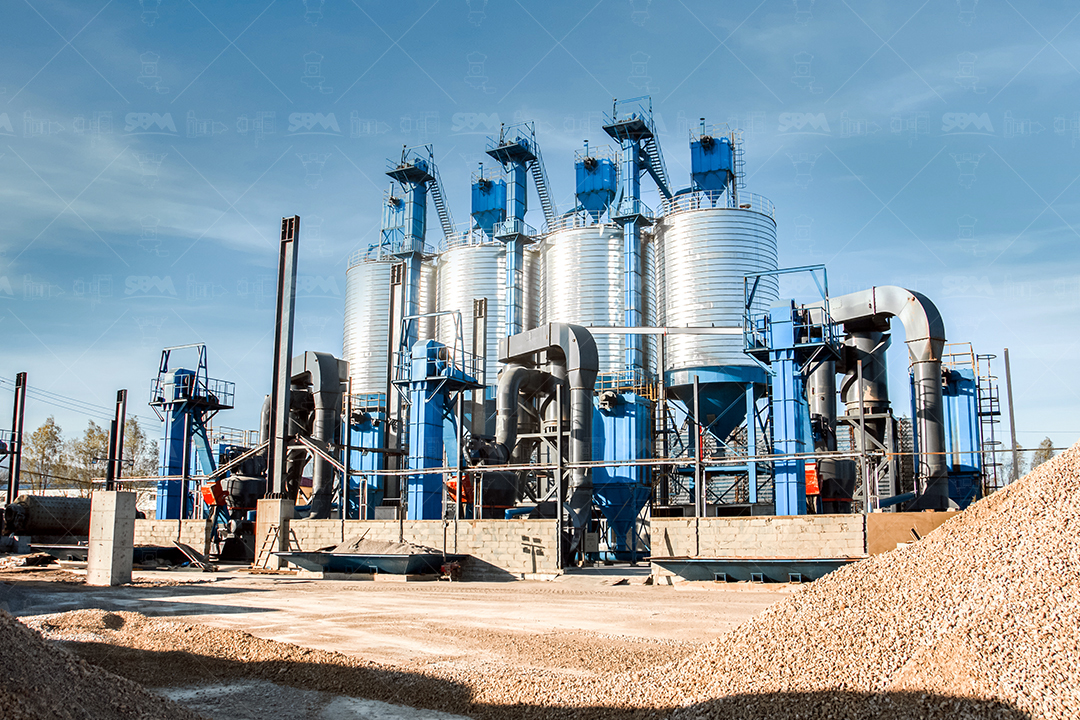
Finally, environmental control—encompassing noise, dust, and thermal factors—is a critical pillar of occupational safety. Prolonged exposure to high noise levels leads to hearing loss and increases the likelihood of miscommunication and error. Modern mills address this through structural optimizations like sound insulation rooms and mufflers, as seen in the SCM Ultrafine Mill, which effectively contain equipment noise. The holistic sealing of systems, as mentioned, tackles respirable dust. Moreover, the high grinding efficiency of these advanced mills, such as the energy savings of 30-40% compared to traditional ball mills noted in the LM series, inherently reduces thermal load and the associated cooling requirements, contributing to a safer, more comfortable workspace.
In conclusion, safety in mill production is not an add-on feature but an outcome of sophisticated, purpose-driven engineering. By prioritizing structural stability, intelligent automation, durable component design, and comprehensive environmental control, next-generation grinding equipment transforms the safety landscape. This integrated approach moves the industry from reactive hazard management to proactive risk elimination, ensuring that productivity and personnel protection are achieved in unison.
Frequently Asked Questions (FAQs)
- Q: Our main concern is combustible dust in our coal grinding line. How can your equipment mitigate this explosion risk?
A: Our vertical roller mills and other advanced grinding systems are designed to operate under full negative pressure. This means the entire grinding and classification process is sealed, and air flow is controlled to ensure any fine dust is immediately captured by the integrated dust collection system, preventing accumulation in the workspace. Additionally, options like inert gas circulation systems can be integrated for high-risk applications. - Q: We experience frequent roller and ring wear, leading to unsafe maintenance shutdowns. What solutions do you offer?
A: We address this through material science and design. For instance, our MTW Mill uses a unique combined shovel blade that only requires partial replacement, and our ultrafine mills employ special alloy rollers and rings for durability several times higher than standard parts. This drastically extends service intervals, reducing the frequency of high-risk maintenance activities. - Q: Manual control of mill parameters leads to operational inconsistencies and safety oversights. Do you provide automated solutions?
A> Absolutely. Our mills feature expert automatic control systems (PLC/DCS) that allow for remote monitoring and precise control of all critical parameters. This ensures stable operation within safe limits, reduces the need for personnel near running equipment, and provides alarms and automatic shutdown protocols for abnormal conditions. - Q: Noise pollution is a significant issue in our plant, affecting worker health and communication. How do your mills perform acoustically?
A> We engineer for low noise emission. Our equipment incorporates features like optimized sound insulation chambers, internal mufflers, and stable, low-vibration operation foundations. For example, the SCM Ultrafine Mill is designed with these features to keep operational noise well below industry averages, contributing to a safer auditory environment. - Q: We need to process materials to a very fine powder (over 2500 mesh), but are concerned about the stability and heat generation of high-intensity grinding. How is this managed?
A> Our LUM and SCM ultrafine grinding series are specifically engineered for high-fineness applications with stability in mind. They feature intelligent frequency-conversion control for smooth operation, advanced internal cooling systems, and heavy, balanced rotor designs that minimize vibration and heat buildup, ensuring safe and stable long-term operation even at extreme fineness levels.


