

Large negative pressure mills set new trends
Published: October 26, 2023
The global powder processing industry is witnessing a paradigm shift driven by stringent environmental regulations, escalating energy costs, and demands for higher efficiency and finer product fineness. In this landscape, advanced grinding systems operating under large negative pressure are emerging as the definitive solution, setting new benchmarks for performance, sustainability, and operational economy. These systems, exemplified by next-generation vertical roller mills and ultrafine grinding technologies, integrate closed-loop, dust-free operation with intelligent control, fundamentally addressing the core pain points of traditional milling. By mastering the synergy between precision engineering and negative pressure dynamics, modern mills deliver unprecedented gains in energy savings, product quality consistency, and environmental compliance, redefining what is possible in mineral and material processing.
The traditional challenges in grinding—excessive energy consumption, high wear part costs, dust pollution, and limited fineness control—have long constrained profitability and scalability. The industry's answer lies in sophisticated negative pressure milling systems. These systems maintain the entire grinding and classification process within a sealed, below-atmospheric-pressure environment. This design is not merely an add-on for dust control; it is a foundational engineering principle that enhances airflow dynamics, improves material transport efficiency, and ensures zero external dust emission. For operators, this translates directly into a cleaner plant environment, reduced product loss, and full compliance with the world's most stringent environmental standards without the need for extensive auxiliary filtration.
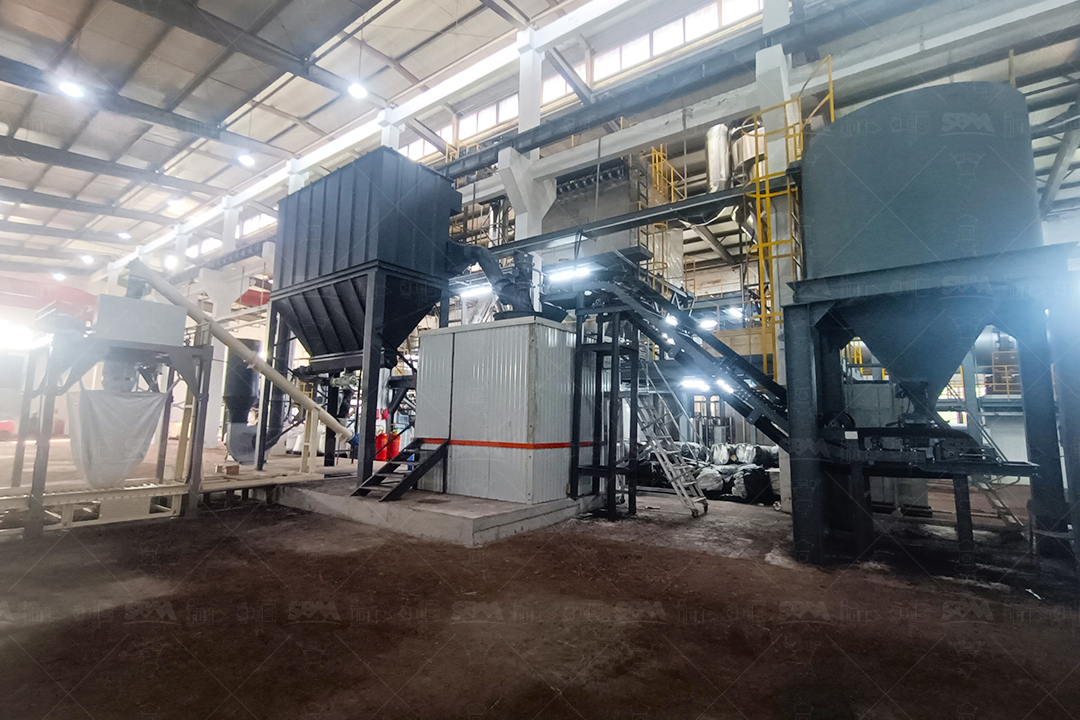 At the forefront of this trend is the evolution of vertical roller mill technology. Modern vertical mills, such as our advanced series, embody the negative pressure principle from the ground up. Their compact, integrated design combines crushing, drying, grinding, and separation in a single, sealed unit. The system operates under stable negative pressure, eliminating dust spillage at source. Technically, the benefits are profound: specific energy consumption can be 30-40% lower compared to conventional ball mill systems, while a unique grinding roller and plate design, coupled with non-contact operation, reduces wear part costs significantly. The intelligent automatic control system allows for remote monitoring and adjustment of key parameters like grinding pressure and classifier speed, ensuring optimal performance and consistent output quality with minimal manual intervention.
For applications demanding ultra-fine powders, the negative pressure principle is pushed further in specialized ultrafine mills. Achieving fineness levels up to 4000 mesh requires exceptionally stable and controlled grinding conditions. Our ultrafine series mills utilize a fully sealed, high-efficiency negative pressure system that prevents fine powder leakage and cross-contamination. The integration of advanced multi-rotor powder classifiers within this environment allows for precise particle size distribution control. A notable advantage is the high output relative to energy input—often doubling the capacity of alternative jet mill technologies while consuming 30% less energy. The heavy-duty rotor design and balanced grinding chamber ensure vibration-free operation, which is critical for maintaining the integrity of delicate ultrafine products and achieving long mechanical life.
The operational advantages of large negative pressure mills directly target long-standing customer pain points. First, the dramatic reduction in energy consumption tackles one of the largest variable costs in continuous processing. Second, the enclosed system and advanced wear-resistant materials drastically lower maintenance frequency and spare parts inventory costs. Third, the "plug-and-play" environmental compliance removes the burden and cost of secondary dust collection systems. Finally, the automation and remote-control capabilities mitigate labor costs and human error, ensuring 24/7 consistent product quality.
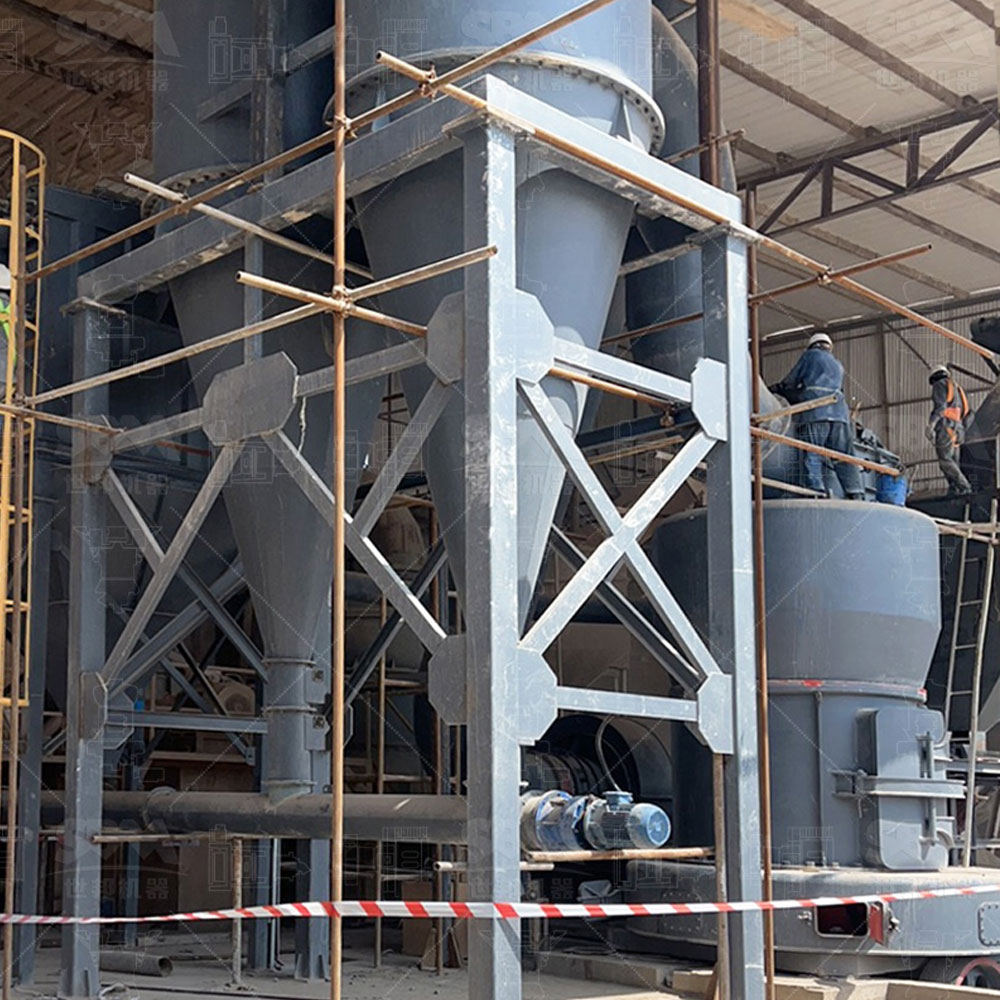 Looking at specific applications, from environmental desulfurization limestone powder to high-value non-metallic minerals like calcite and barite, these mills provide tailored solutions. The European Trapezium Mill, with its cone gear whole transmission and arc air duct design, optimizes airflow and transmission efficiency under negative pressure for coarse to fine grinding. For massive-scale production of powders up to 400 mesh, the high-capacity vertical roller mill stands out. Meanwhile, the ultrafine vertical mill, incorporating specialized grinding roller technology, is engineered for the most demanding high-end markets such as artificial stone and advanced plastics, where product fineness and purity are paramount.
In conclusion, the trend toward large negative pressure milling is a comprehensive response to the economic and environmental imperatives of modern industry. It represents a move from isolated equipment to holistic, intelligent system solutions that prioritize total lifecycle cost, sustainability, and operational simplicity. As the global leader in grinding solutions, our commitment is to continue innovating within this framework, providing clients with the robust, efficient, and clean technology needed to stay competitive in an ever-evolving market.
Frequently Asked Questions (FAQs)
Q1: How does a negative pressure system actually reduce operational costs?
A: It primarily reduces costs in three ways: 1) Lower energy consumption due to optimized airflow and efficient grinding mechanics. 2) Greatly reduced spending on external dust collection equipment and its maintenance. 3) Minimized product loss as all material is contained within the system, improving overall yield.
Q2: Can these mills handle materials with high moisture content?
A: Yes, many modern negative pressure mills, particularly vertical roller mills, integrate drying functionality. Hot air is introduced into the sealed negative pressure system, allowing simultaneous grinding and drying, which eliminates the need for a separate dryer and streamlines the process.
Q3: Is the switch to a negative pressure system complex for an existing plant?
A: While retrofitting requires engineering assessment, the systems are designed for straightforward integration. Their compact layout often saves space compared to traditional setups. Our solutions include comprehensive engineering support to ensure a smooth transition with minimal downtime.
Q4: How is product fineness controlled and adjusted in these sealed systems?
A: Fineness is precisely controlled by integrated dynamic classifiers (like multi-rotor separators). Adjustments are made easily through the PLC/DCS control system by changing the classifier speed or other parameters, all without opening the grinding chamber, ensuring consistency and repeatability.
Q5: What about maintenance access within a sealed, negative pressure environment?
A: The mills are designed with maintenance in mind. Critical wear parts like grinding rollers are accessible through specially designed maintenance doors. The lubrication systems are often automated, and the robust design of key components extends service intervals, making routine maintenance simpler and safer.


