

Where to buy small grinding mills
Published on: October 26, 2023
For businesses seeking reliable small grinding mills, the procurement journey involves navigating a complex landscape of technical specifications, supplier credibility, and long-term operational viability. This guide cuts through the noise, offering a strategic framework for identifying trustworthy manufacturers and selecting equipment that aligns with specific material processing needs—from limestone desulfurization and GCC production to advanced mineral ultrafine grinding. We’ll explore key evaluation criteria, highlight technological innovations that address common industry pain points, and explain why a total-solution provider with global experience often delivers superior value over generic equipment sellers.
When evaluating where to purchase small grinding mills, the first decision point is understanding your core material and fineness requirements. The term "small" often refers to compact footprint and moderate capacity, not limited capability. For instance, operations needing output in the range of 30-400 mesh with capacities from 3 to 40 tons per hour might consider advanced updated designs like the MTW Series European Trapezium Grinding Mill. This mill incorporates feedback from thousands of global users, featuring innovations like a cone gear whole transmission system for compact, efficient power transfer and an inner oil absorption lubrication system that minimizes maintenance interventions. Its arc air flue design is a subtle but critical upgrade, reducing air resistance and energy loss during material conveyance—a common bottleneck in older mill designs.
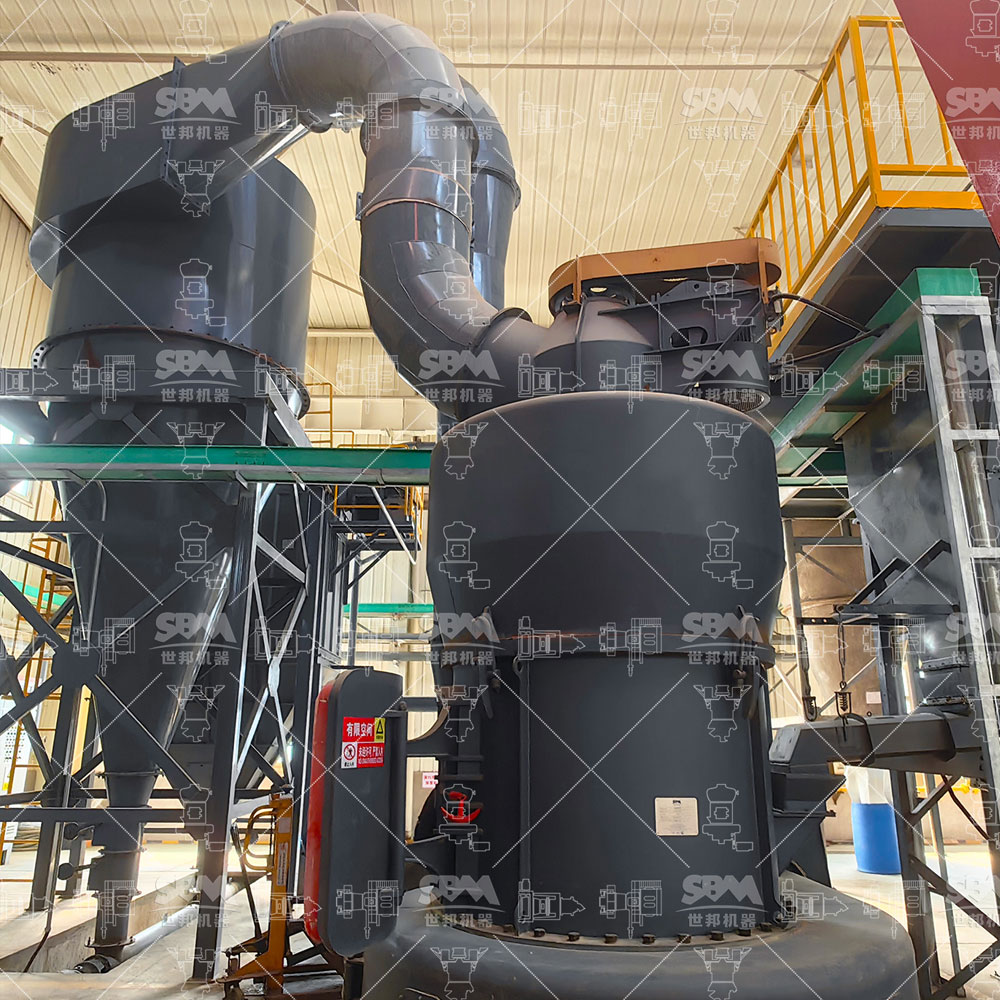
For operations prioritizing space savings and integrated drying, a Vertical Roller Mill presents a compelling case. It consolidates crushing, drying, grinding, and classification into a single, vertically arranged unit, reducing the plant footprint by up to 50% compared to traditional ball mill systems. This is particularly valuable for urban or constrained industrial sites. Beyond space, its operating economics are noteworthy: the grinding rollers operate without direct metal-to-metal contact with the table, and the use of specialized wear materials extends service life significantly. When combined with an expert automatic control system that allows for remote monitoring and adjustment, the result is a system that tackles the dual challenges of high energy consumption and labor-intensive operation head-on.
The pursuit of ultra-fine powders (325 to 4000 mesh) for advanced materials like master batches, coatings, or functional fillers demands specialized technology. Here, SCM Series Ultrafine Grinding Mills and LUM Ultrafine Vertical Mills enter the frame. The distinction is important. The SCM series is engineered for high output at exceptional fineness (D97 ≤5µm), utilizing a heavy-duty rotor design and efficient turbine classifier to ensure product consistency. The LUM series, integrating advanced grinding roller and German separation technology, excels in producing high-quality, narrowly graded powders for premium applications like artificial stone and high-end plastics. Its intelligent PLC control system precisely manages grinding pressure and classifier speed, ensuring stability that generic ultrafine mills often lack.
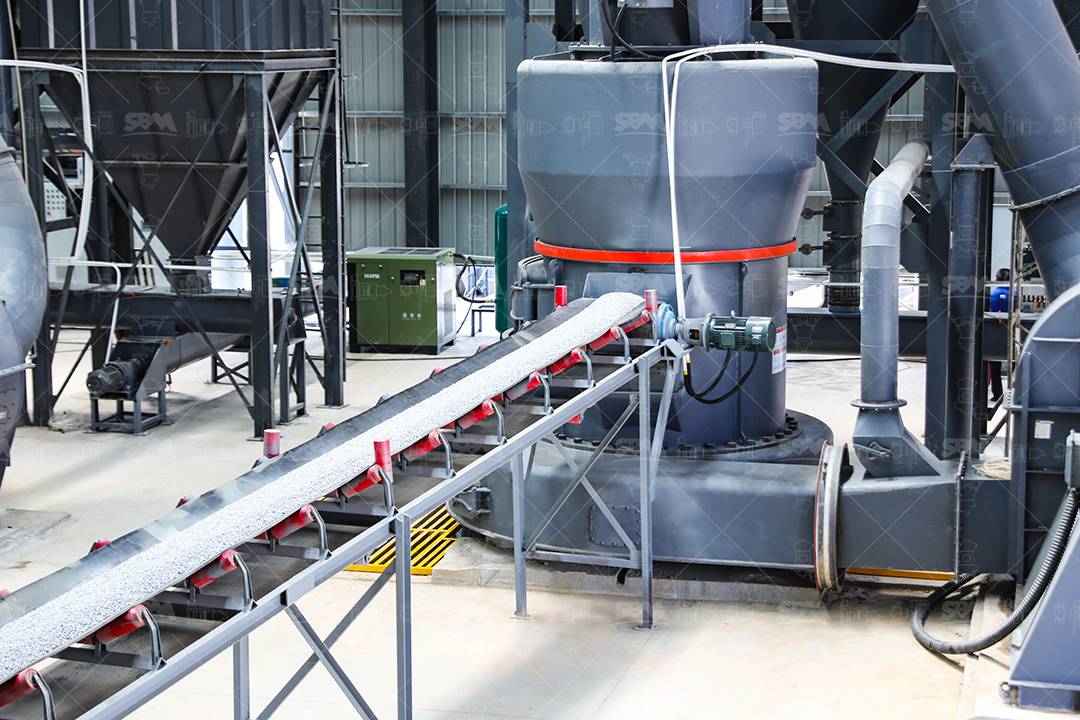
Even mature technologies like Ball Mills have seen targeted optimizations to address enduring pain points. Modern iterations focus on reducing the wear rate of grinding media and liners through improved material science and structural design, directly lowering the cost and frequency of spare part replacement. The availability of both dry and wet process configurations allows for tailoring the mill to the specific physical characteristics of the material, whether it's a common powder or a mineral slurry.
Ultimately, the choice of supplier is as crucial as the choice of technology. A provider like SBM Machinery, with a documented history of serving over 180 countries and regions, brings more than just equipment. They offer application expertise across power, mining, chemicals, and non-metallic minerals. This global experience translates into practical advice on system layout, ancillary equipment selection, and process optimization—turning a simple equipment purchase into a productivity partnership. Look for a partner that provides comprehensive technical support, from initial material testing to installation guidance and after-sales service, ensuring your small grinding mill becomes a reliable, long-term asset.
Frequently Asked Questions (FAQs)
Q1: We have limited factory space. What type of small grinding mill is most space-efficient?
A: Vertical Roller Mills (like our LM series) are specifically designed for compact layouts. They integrate multiple processes (drying, grinding, separation) into a single vertical structure, typically occupying about 50% of the space required by a traditional horizontal ball mill system, and can even be installed outdoors.
Q2: Our main issue is the high wear cost of grinding parts. Are there designs that mitigate this?
A> Yes. Modern mills address this directly. For example, our MTW Mill features a combined-type shovel blade where only the blade tip needs replacement, and our Vertical and Ultrafine Mills use specially formulated materials for rollers and rings that significantly extend service life, reducing both part costs and downtime.
Q3: We need very fine powder (below 10µm) but our current mill's energy consumption is unsustainable. What are our options?
A> Ultrafine grinding mills (SCM or LUM series) are engineered for high fineness with lower energy consumption. They utilize efficient classification systems and grinding principles that can consume up to 30-40% less energy compared to some conventional jet mills or inefficient ball mills for the same fineness target.
Q4: How can we ensure consistent product fineness with minimal manual intervention?
A> Look for mills equipped with intelligent automatic control systems. Advanced models feature PLC/DCS controls that constantly monitor and adjust key parameters like grinding pressure, classifier speed, and feed rate. This ensures stable output quality and allows for remote operation, saving on labor costs.
Q5: Dust control and noise are major concerns for our plant's environmental compliance. Are modern small mills better in this regard?
A> Absolutely. Contemporary designs prioritize environmental protection. Fully sealed systems operating under negative pressure prevent dust spillage. Additionally, features like optimized sound insulation rooms, mufflers, and stable, low-vibration mechanical foundations keep noise levels well within national and international standards.


