

Factors driving mill innovation
Published on: October 26, 2023
The evolution of grinding technology is propelled by a confluence of industrial demands, environmental mandates, and the relentless pursuit of operational excellence. In sectors ranging from power generation and mining to advanced materials and chemicals, the need for efficient, reliable, and sustainable size-reduction solutions has never been greater. Innovation in mill design is no longer a luxury but a necessity, driven by core factors such as energy intensity, total cost of ownership, product fineness requirements, system integration, and stringent environmental compliance. As a global total solution provider with equipment deployed in over 180 countries, SBM Machinery's portfolio—from the advanced MTW European Trapezium Mill to the high-precision LUM Ultrafine Vertical Mill—embodies this innovative response. Each machine is engineered not just to process material, but to solve specific client pain points, transforming raw mineral inputs into valuable powders while optimizing the entire workflow.
A primary catalyst for innovation is the imperative to reduce energy consumption, which often constitutes the largest portion of operational expenditure in grinding circuits. Traditional mills can be notoriously energy-intensive. Modern designs directly address this through intelligent system integration and advanced mechanical principles. For instance, the Vertical Roller Mill (VRM) integrates crushing, drying, grinding, and classification into a single, compact unit. This holistic design eliminates the need for multiple conveyors and auxiliary equipment, leading to a system that consumes 30% to 40% less energy compared to conventional ball milling systems. The energy savings are twofold: reduced power draw from the mill itself and lower thermal energy required for drying due to efficient heat utilization within the integrated chamber.
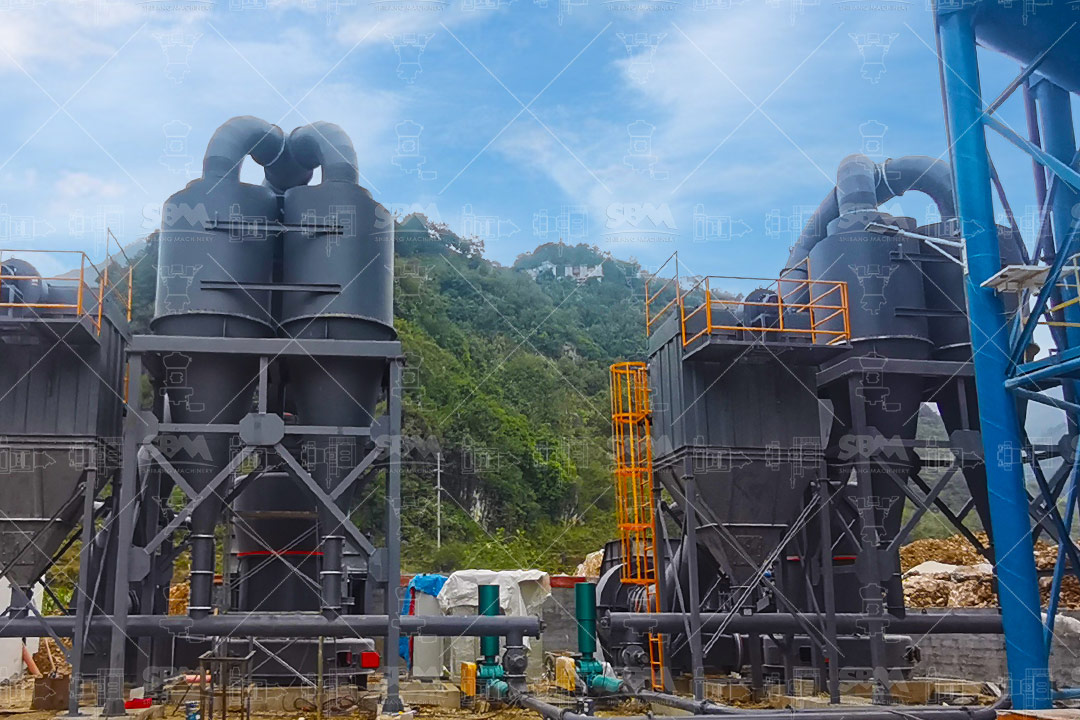
Beyond energy, the total cost of ownership (TCO) is a decisive factor. Innovation focuses on extending component life, simplifying maintenance, and reducing downtime. Consider the wear on grinding elements—a universal challenge. SBM's MTW European Trapezium Mill features a patented combined-type shovel blade. This design allows for the replacement of only the worn blade segment, not the entire assembly, drastically cutting spare parts costs and maintenance time. Similarly, its inner oil absorption lubrication system and cone gear whole transmission enhance reliability and transmission efficiency while minimizing space requirements and long-term investment costs. For ball mills, ongoing optimization using new materials and structural designs specifically targets the high wear rate of metal balls, a common investor complaint.
The push towards finer and more consistent product specifications is another powerful driver. Industries like plastics, paints, and advanced ceramics demand powders in the micron and sub-micron range. Standard Raymond mills often fall short here. This gap is bridged by ultrafine grinding technologies such as the SCM Ultrafine Mill and the LUM Ultrafine Vertical Mill. These mills incorporate advanced classification technology—like multi-rotor or efficient vertical turbine classifiers—that ensure precise particle size cuts with no coarse powder spillover. They achieve fineness up to 4000 mesh (D97 ≤5μm), a level necessary for high-value applications like PVC, artificial stone, and masterbatch production. The intelligent control systems in these mills allow for fast, stable product conversion and consistent quality, directly impacting the value of the end product.
System intelligence and automation represent the fourth pillar of innovation. Modern mills are not standalone machines but central nodes in a digitally aware processing plant. The expert automatic control system embedded in SBM's Vertical Roller Mill enables remote operation, real-time adjustment of key parameters (grinding pressure, classifier speed), and free switching between control modes. This translates to lower labor costs, optimized process stability, and the ability to respond swiftly to variations in feed material. The PLC/DCS-based control in the LUM mill ensures accurate grinding pressure control, contributing to both high efficiency and remarkable operational stability.
Finally, environmental and social governance (ESG) standards are reshaping equipment design. Noise pollution, dust emission, and overall plant footprint are critical considerations. Contemporary mills are engineered for minimal environmental impact. The wholly sealed systems operating under negative pressure, as seen in both VRM and LUM designs, prevent dust spillover entirely, ensuring a clean workplace and meeting national emission standards. Advanced powder collection systems combining cyclones and pulse dust collectors achieve efficiency far beyond international benchmarks. Furthermore, structural innovations like the arc air duct in the MTW mill reduce air energy loss, while optimized sound insulation rooms and mufflers effectively contain equipment noise, addressing community and worker well-being concerns.
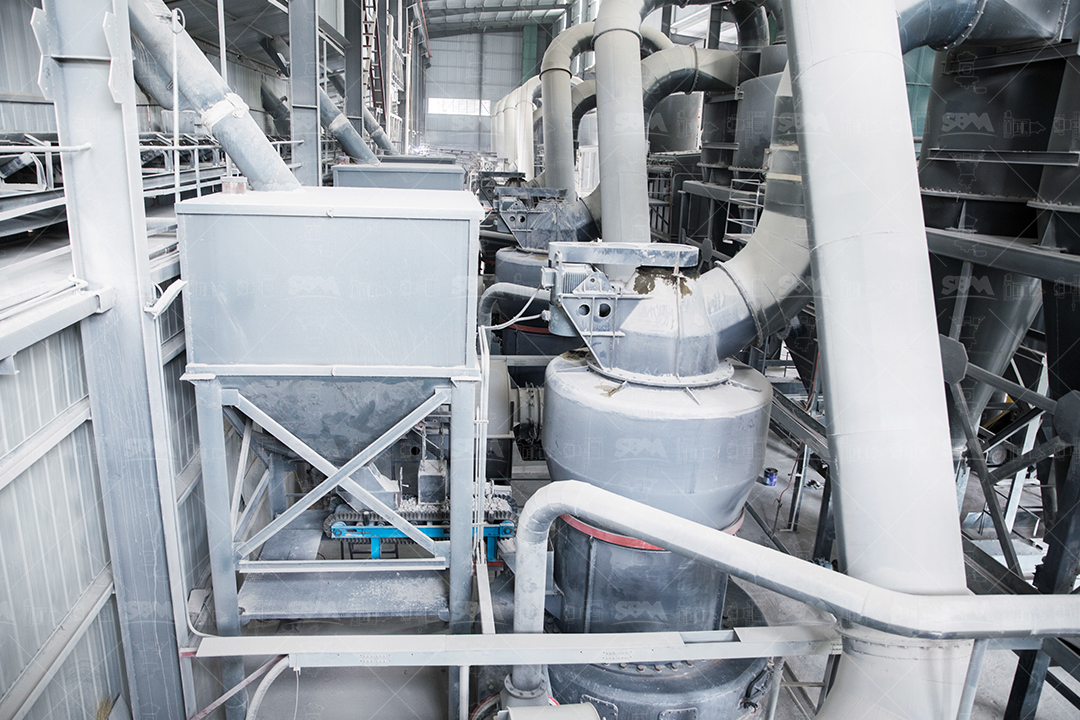
In conclusion, mill innovation is a multidimensional endeavor driven by concrete economic and regulatory pressures. It manifests in designs that offer lower energy intensity, reduced operating costs through wear optimization, capability for ultra-fine and consistent product quality, seamless automation, and exemplary environmental performance. For global customers across mining, chemicals, building materials, and new energy sectors, partnering with a technology leader like SBM Machinery means accessing this synthesis of innovation—where every grinding solution is built to drive productivity, profitability, and sustainability forward.
Frequently Asked Questions (FAQs)
- We struggle with high energy bills from our grinding circuit. Are there solutions that significantly cut power consumption?
Yes, absolutely. Modern integrated mills like Vertical Roller Mills are designed for this specific pain point. By combining multiple process stages (drying, grinding, separation) into one efficient unit and utilizing advanced grinding principles, they can reduce energy consumption by 30-40% compared to traditional ball mill systems, directly lowering your operational costs. - Downtime for replacing worn rollers and blades is costly. How can we extend wear part life and simplify maintenance?
Innovations like modular, combined-type shovel blades (in MTW Mills) allow you to replace only the worn section, not the entire part. Furthermore, the use of special, high-durability materials for rollers and rings, along with designs that prevent direct metal-to-metal contact (as in VRMs), can extend service life several times over, reducing both spare parts inventory and maintenance downtime. - Our end-product requires very fine and uniform powder (e.g., over 2500 mesh). Can standard grinding equipment achieve this?
General-purpose mills often cannot. For ultra-fine grinding requirements, dedicated equipment like the SCM Ultrafine Mill or LUM Ultrafine Vertical Mill is necessary. These incorporate high-precision turbine classifiers and unique grinding curve designs to consistently produce powder in the range of 325-4000 mesh with tight particle size distribution, meeting the demands of high-end industries. - Dust control and noise are major concerns for our plant's environmental compliance and worker safety. How are modern mills addressing this?
Leading-edge mills are designed as fully sealed systems operating under negative pressure, which inherently prevents dust from escaping. Coupled with high-efficiency pulse dust collectors, they ensure emissions meet strict standards. For noise, features like optimized gear drives, sound insulation chambers, and mufflers are integrated to significantly reduce acoustic impact, creating a safer and more compliant working environment. - We need to adjust product fineness frequently for different orders. Is manual adjustment still required, and how can we ensure consistency?
Manual adjustment is largely obsolete. Modern mills feature intelligent, automated control systems (PLC/DCS) that allow you to adjust key parameters like classifier speed and grinding pressure from a control room. This enables fast, precise, and repeatable shifts in product fineness, ensuring batch-to-batch consistency and saving significant labor time.


