

Overlooked mill operation methods
Published on: October 26, 2023
In the demanding world of industrial powder processing, achieving optimal efficiency and product quality often hinges on more than just selecting the right equipment. While significant attention is paid to mill specifications and initial setup, a range of nuanced operational methodologies frequently remains overlooked. These subtle yet powerful techniques—spanning from advanced control system utilization to proactive maintenance scheduling and material feed optimization—can dramatically enhance throughput, extend component life, reduce energy consumption, and ensure consistent fineness. This article delves into these often-underestimated operational strategies, drawing on extensive field experience and the inherent technological advantages of modern grinding systems, to help operators move beyond basic functionality and unlock the full, latent potential of their milling operations.
The journey to peak operational performance begins with a deep understanding of your mill's intelligent control systems. Many modern mills, such as vertical roller mills and advanced trapezium mills, come equipped with sophisticated PLC/DCS automatic control systems. A common oversight is operating these systems in a basic, manual mode, treating them merely as on/off switches. The real value lies in leveraging their full capabilities. For instance, utilizing the automatic feedback loops for finished product conversion can stabilize output quality amidst variable feed materials. Implementing remote monitoring and control not only saves on labor costs but also allows for precise, real-time adjustments to grinding pressure, classifier speed, and feed rates based on sensor data. This proactive, data-driven approach prevents the costly reactive cycles of correcting off-spec product after it has been produced.
_1766042739044.jpg)
Another critical yet frequently neglected area is the science of material feeding and in-mill airflow dynamics. The design of components like arc air ducts and wear-resistant volutes in mills like the MTW European Trapezium Mill is specifically engineered to minimize energy loss and ensure efficient material transport. However, their efficiency can be severely compromised by incorrect feed size or inconsistent feed rates. Ensuring the feed material is within the specified input size range (e.g., 0-50mm) is paramount. Feeding oversized material forces the grinding elements to work harder, accelerating wear on rollers, rings, and shovels, and spiking energy use. Similarly, understanding and maintaining the designed negative pressure system within fully sealed mills is crucial for dust-free operation and optimal internal circulation. A poorly balanced system can lead to coarse powder spillover, reduced collection efficiency, and unnecessary environmental emissions.
Maintenance is often viewed as a scheduled downtime cost, but reframing it as a strategic performance optimizer is a game-changer. The unique design features of advanced mills offer significant maintenance advantages that are wasted if not exploited. Take the combined-type shovel blade in the MTW series. Its design allows for the replacement of only the blade itself, not the entire assembly, drastically reducing spare parts inventory and downtime costs. Similarly, the non-contact grinding principle in vertical roller mills, where rollers grind on a bed of material rather than directly on the plate, inherently reduces wear. Establishing a predictive maintenance schedule based on operating hours and material abrasiveness—rather than a reactive one—ensures that these wear parts are replaced at the optimal time, maximizing their service life and avoiding unplanned stoppages. Regularly checking and calibrating the lubrication system, especially in mills with inner oil absorption designs, is a simple task that prevents major bearing and gear failures.
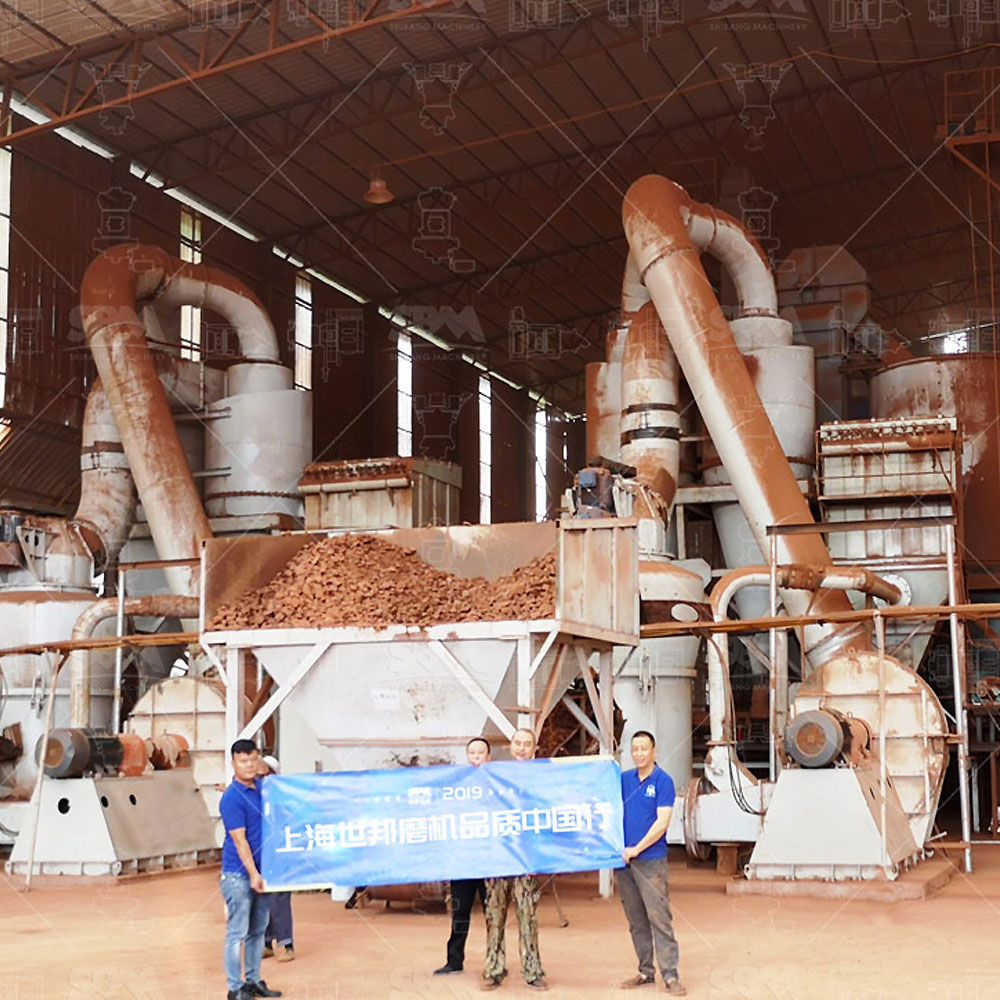
Finally, the pursuit of ultra-fine products (e.g., 2500 mesh and beyond) with mills like the SCM or LUM series demands an operation philosophy centered on stability and precision. The high-efficiency turbine powder classifiers in these units are engineered for accurate particle size cuts. Their performance is highly sensitive to feed consistency and system stability. Operators must pay close attention to the condition of the classifier rotor and ensure the grinding chamber is vibration-free—a feature supported by heavy rotor designs and tight balance testing. Furthermore, exploiting the frequency-conversion control for the classifier motor allows for micro-adjustments in fineness without stopping the mill, enabling quick adaptation to different product grades. The environmental systems, such as the double powder collecting method, must also be maintained to handle the increased surface area of ultra-fine powders effectively, ensuring that gains in product quality are not offset by environmental or recovery losses.
In conclusion, the frontier of milling productivity is increasingly defined not by hardware alone, but by the software of human expertise and refined operational practice. By mastering intelligent controls, respecting material and airflow principles, adopting strategic maintenance, and pursuing precision in fine grinding, operators can transform their milling lines from cost centers into robust, efficient, and highly competitive assets. The technological advancements embedded in contemporary grinding equipment provide the tools; it is through these overlooked methods that their full potential is finally realized.
Frequently Asked Questions (FAQs)
- Q: We struggle with high wear part costs on our grinding mill. Are there operational changes that can extend the life of rollers and rings?
A: Absolutely. Firstly, strictly control your feed material size to stay within the mill's specified limit (e.g., 0-50mm). Oversized feed causes impact damage and accelerated wear. Secondly, ensure optimal grinding pressure through the automated control system to avoid excessive force. For mills with features like curved shovel blades (which improve material bed formation) or non-contact grinding principles, operating within recommended parameters maximizes the designed wear resistance. Implementing a predictive maintenance schedule to monitor wear, rather than waiting for failure, also prevents collateral damage. - Q: Our energy consumption seems disproportionately high for the output we achieve. What operational factors should we investigate?
A: High energy use often points to inefficiencies in the grinding process. Key areas to check include: 1) Classifier Settings: An incorrectly set classifier speed may cause over-grinding, where material is ground finer than necessary, wasting energy. Use frequency-conversion controls to fine-tune. 2) Grinding Pressure: Excessive pressure in vertical roller mills increases power draw. Optimize via the PLC system. 3) System Leaks: Check for air leaks in the ducting and seals, which compromise the negative pressure system and force fans to work harder. 4) Worn Parts: Worn rollers/shovels reduce grinding efficiency, requiring more power for the same output. - Q: We experience inconsistent product fineness, especially when switching between materials. How can we achieve more stable results?
A: Stability is key. Leverage the mill's automatic control system to its fullest. Before a material change, use pre-set recipes if available. After feeding new material, allow the system's automatic feedback loops (for pressure, classifier speed, feed rate) to stabilize, which may take several minutes—avoid manual over-correction. Ensure the feed rate is consistent and not fluctuating. For ultra-fine grinding, the condition and balance of the powder classifier are critical; vibration here will directly cause fineness variation. - Q: Dust emission and plant cleanliness are ongoing issues. Is this purely a bag filter problem, or can mill operation affect it?
A: Mill operation is fundamentally linked to dust control. The entire milling system is designed to operate under negative pressure. If operational practices cause positive pressure points (e.g., over-feeding which blocks the system, clogged filters, or air inlet imbalances), dust will escape. Ensure the grinding chamber inspection doors are sealed properly after maintenance. Operate the draft fans and dust collection system in sequence as per startup/shutdown procedures. Regular maintenance of the pulse dust collectors' valves and bags is an operational necessity. - Q: We need to produce a very fine powder (over 2500 mesh) but face challenges with low yield and high energy use. What operational adjustments are crucial?
A: Ultra-fine grinding requires precision operation. Focus on: 1) Feed Preparation: Ensure the incoming material is already as fine as the primary mill can efficiently handle to reduce the load on the ultra-fine circuit. 2) Classifier Optimization: This is the heart of the process. Precisely adjust the classifier rotor speed via frequency control to achieve the target cut point. A stable, vibration-free base for the mill is non-negotiable. 3) System Stability: Avoid any fluctuations in feed rate or pressure. Operate the mill at its designed optimal capacity rather than at maximum load, as this often yields better efficiency and product quality for ultra-fine applications.


