

Price of 2000 mesh dolomite equipment
Published: October 26, 2023
Producing high-quality, ultra-fine dolomite powder at 2000 mesh presents significant technical challenges, including achieving consistent particle size distribution, managing high energy consumption, and controlling operational costs. For processors targeting this demanding specification, selecting the right grinding technology is critical. Shanghai SBM Machinery Equipment Co., Ltd. (SBM Machinery), as a total solution provider with a global footprint across over 180 countries, offers a portfolio of advanced milling systems engineered to overcome these hurdles. This article explores the optimal equipment pathways for 2000 mesh dolomite production, focusing on technological advantages that address core customer pain points: achieving target fineness with stability, maximizing throughput, minimizing wear costs, and ensuring environmentally compliant operation.
The quest for 2000 mesh fineness pushes conventional grinding systems to their limits. General Raymond mills, while reliable for coarser applications, often struggle with the ultra-fine range, leading to inconsistent output and excessive energy use. This is where specialized ultrafine and vertical roller mill technologies come to the forefront. For dolomite, a moderately hard carbonate mineral, the grinding solution must balance precise mechanical force with efficient classification to prevent over-grinding and thermal degradation.
SBM's SCM Series Ultrafine Mill and LUM Series Ultrafine Vertical Roller Mill are specifically designed for this arena. The SCM mill is a proven workhorse for ultra-fine processing, capable of achieving a fineness range from 325 to 4000 mesh. Its technical design directly tackles common inefficiencies. The heavy-duty rotor and specially formulated grinding ring and roller assemblies, made from advanced wear-resistant materials, extend service life dramatically—a direct answer to the pain point of frequent, costly parts replacement. Furthermore, its high-efficiency vertical turbine classifier ensures precise particle size cuts, guaranteeing that the 2000 mesh product has minimal oversize or undersize fractions, which is crucial for product value in high-end applications like plastics, paints, and advanced composites.
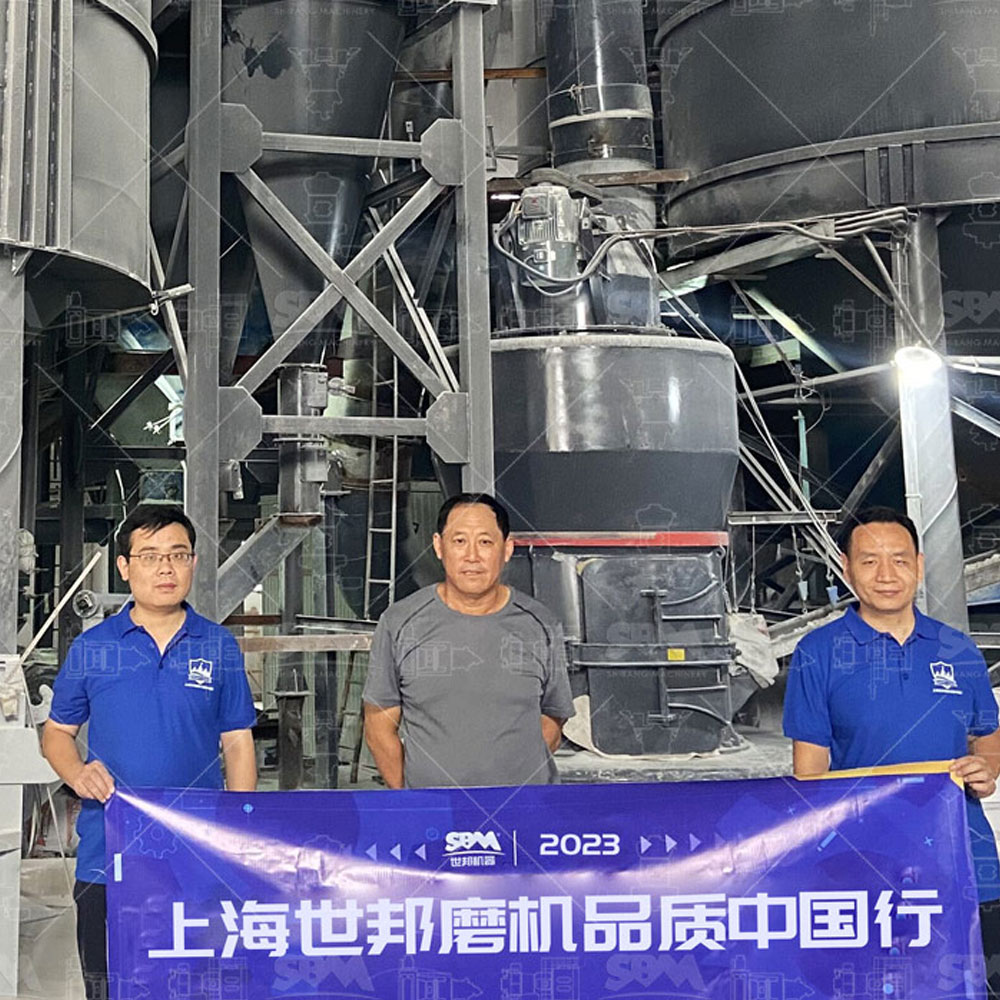
While the SCM mill excels in high-finesse grinding, the LUM Ultrafine Vertical Roller Mill introduces a paradigm of integrated efficiency for larger-scale ultra-fine production. Its core innovation lies in its grinding curve design for the roller and lining plate, which promotes stable material bed formation. This leads to more efficient primary grinding and a higher yield of in-spec powder from the first pass, directly boosting output and reducing recirculation loads. For a 2000 mesh dolomite line, this translates to higher potential capacity (10-70 TPH) and better energy utilization. The integrated multi-rotor classifier, leveraging German separation technology, offers exceptional precision, allowing operators to fine-tune the fineness within a tight band to consistently hit the 2000 mesh target.
Beyond the grinding mechanism, operational intelligence and environmental compliance are non-negotiable for modern plants. Both the LUM and SBM's larger LM Vertical Roller Mill feature advanced PLC/DCS automatic control systems. These systems enable remote monitoring and control of critical parameters like grinding pressure, mill speed, and classifier rotation. This automation stabilizes operation, minimizes human error, and allows for quick adjustments to feed material variations, ensuring the 2000 mesh quality remains constant. From an environmental standpoint, the fully sealed systems operating under negative pressure, coupled with high-efficiency pulse dust collectors, completely contain dolomite dust. This not only meets stringent international emission standards but also reclaims valuable product, addressing the twin pain points of environmental liability and material loss.
It is also worth considering the MTW European Trapezium Mill for applications where the primary need is in the 30-400 mesh range but with occasional requirements for finer products up to 400 mesh, or as a pre-grinding stage. Its cone gear whole transmission and arc air duct design offer robust reliability and energy savings for general fine grinding duties. For operations with very high capacity needs in the fine to ultra-fine spectrum but where the absolute ceiling is below 2000 mesh, the LM Vertical Roller Mill presents a compelling case with its ability to handle up to 400 TPH and its renowned low operating costs due to its direct grinding principle and lower wear rate.
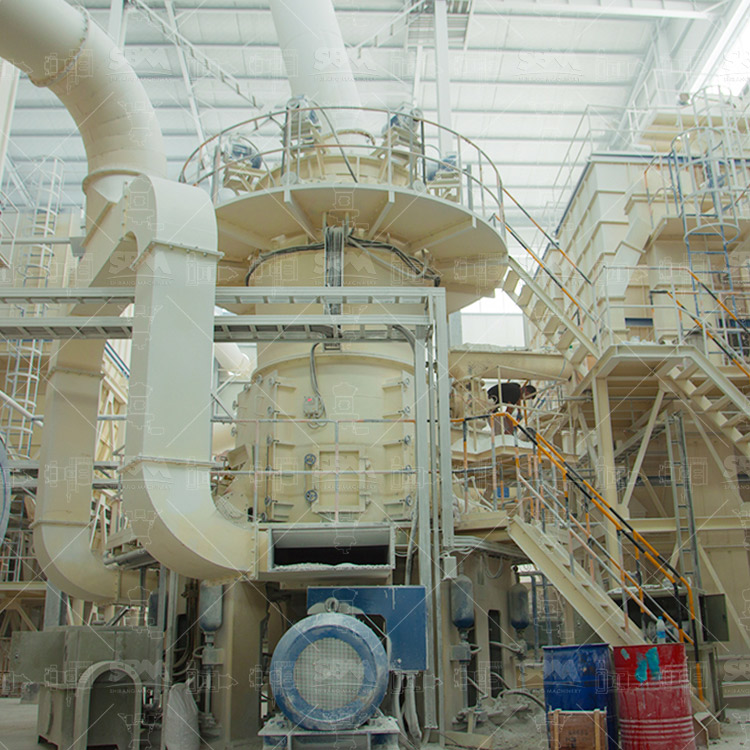
In conclusion, navigating the price and performance landscape for 2000 mesh dolomite equipment requires a focus on total cost of ownership, not just initial investment. The choice between an SCM Ultrafine Mill and a LUM Ultrafine Vertical Mill hinges on specific project scales, desired automation levels, and layout constraints. SBM Machinery's strength lies in providing tailored solutions based on decades of R&D and customer feedback, ensuring that the selected system—whether a standalone mill or a complete grinding circuit—is engineered to deliver precise 2000 mesh dolomite powder efficiently, reliably, and sustainably.
Frequently Asked Questions (FAQs)
1. What are the main challenges in consistently achieving 2000 mesh fineness for dolomite?
The primary challenges include precise particle size classification to prevent a broad distribution, managing heat generation during grinding to avoid affecting material properties, and controlling excessive wear on grinding components which can alter the milling dynamics and product quality over time.
2. How does your equipment manage the high energy consumption typically associated with ultra-fine grinding?
Our mills incorporate design efficiencies like the bed-grinding principle in vertical rollers (reducing energy consumption by 30-40% vs. ball mills), optimized classifier systems that minimize recirculation of finished product, and high-efficiency transmission systems like integral cone gears to reduce mechanical power losses.
3. We experience frequent downtime due to wear part replacement. How is this addressed?
We use specially developed wear-resistant materials for rollers, rings, and liners. Designs like the combined-type shovel blade allow for partial replacement, and the non-contact grinding in vertical mills significantly reduces wear. These features extend maintenance cycles from months to years, drastically cutting downtime and spare parts costs.
4. Can the system handle variations in the feed material hardness or moisture content?
Yes. The automated control systems (PLC/DCS) can adjust grinding pressure, classifier speed, and, in integrated systems, drying parameters in real-time to compensate for feed variations. This ensures stable product fineness and system throughput despite fluctuations in raw dolomite characteristics.
5. Is it difficult to operate and maintain such advanced high-fineness milling equipment?
Not at all. A key design focus is operational simplicity. The mills feature centralized intelligent control systems allowing for remote operation and automated sequencing. Maintenance points are designed for accessibility, and diagnostic systems alert operators to potential issues before they cause unplanned stops, simplifying both operation and upkeep.


