

Sbm desulfurization mills for wastewater
Published on: October 26, 2023
In the critical field of industrial wastewater treatment, particularly for flue gas desulfurization (FGD) processes, the preparation of high-quality limestone slurry is paramount. SBM Machinery, a global leader in grinding technology, provides a comprehensive portfolio of advanced mills engineered specifically for efficient, reliable, and cost-effective desulfurization agent production. From high-capacity vertical roller mills to precision ultrafine grinding systems, SBM's solutions are designed to address the core challenges of high energy consumption, operational downtime, and stringent environmental standards, ensuring stable and compliant operations for power plants and industrial facilities worldwide.
The cornerstone of any effective wet limestone FGD system is the consistent production of finely ground limestone slurry. This reagent's quality directly impacts SO2 removal efficiency, system reliability, and overall operational costs. SBM's expertise, honed over decades serving over 180 countries, is channeled into designing mills that optimize this crucial preparation stage. Our equipment is not merely about pulverizing rock; it's about delivering a total system solution that integrates crushing, drying, grinding, and classification with maximum efficiency and minimal footprint.
For large-scale power generation applications requiring high throughput, the LM Vertical Roller Mill stands as a premier choice. Its integrated design combines multiple process steps into a single, compact unit. The material is ground directly on the rotating table by hydraulically loaded rollers, a highly efficient mechanism that consumes 30-40% less energy than traditional ball mill systems. A key advantage for desulfurization is its inherent drying capability, handling materials with moisture content effectively. The fully sealed system operating under negative pressure ensures no dust emission, aligning perfectly with environmental protection mandates. Furthermore, its automatic control system allows for remote operation and stable process parameter management, reducing labor costs and human error.
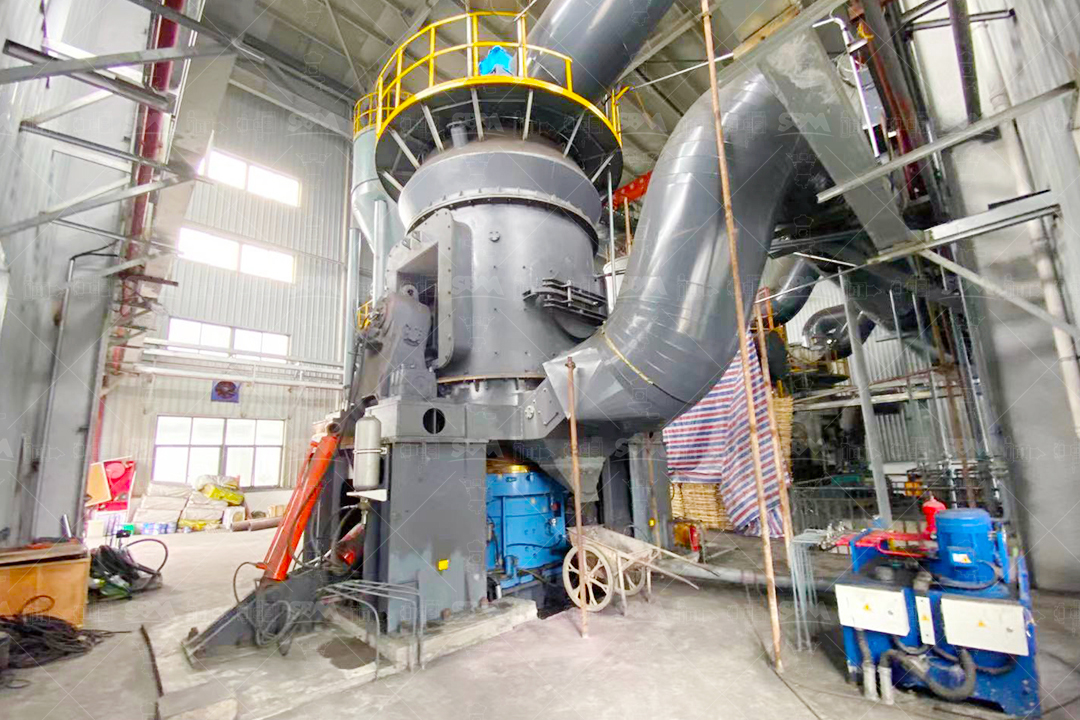
When project specifications call for the reliability of a proven technology with modern enhancements, the MTW European Trapezium Mill offers an excellent balance. Its innovative design features, such as the cone gear whole transmission for higher mechanical efficiency and the arc air duct for minimal airflow resistance, translate directly into lower operating costs. The unique wear-proof shovel blade design allows for the replacement of only the blade segment instead of the entire part, drastically reducing maintenance time and spare parts inventory. This mill is exceptionally suited for producing limestone powder within the 30-400 mesh range, making it a robust and economical workhorse for many desulfurization circuits.
Advancing into the realm of high-precision reagent preparation, SBM's SCM Ultrafine Mill and LUM Ultrafine Vertical Mill unlock new possibilities. Some advanced FGD technologies or byproduct utilization processes benefit from or require ultra-fine limestone powders (reaching 2500 mesh or D97≤5μm). The SCM series achieves this with remarkable energy efficiency, consuming significantly less power than jet mills. The LUM series, integrating advanced German separation technology, offers superior product quality control with its multi-rotor classifier, ensuring a narrow particle size distribution without coarse fraction spillover. Both mills feature exceptional environmental performance with high-efficiency dust collection and low noise levels, addressing the growing demand for cleaner, quieter industrial operations.
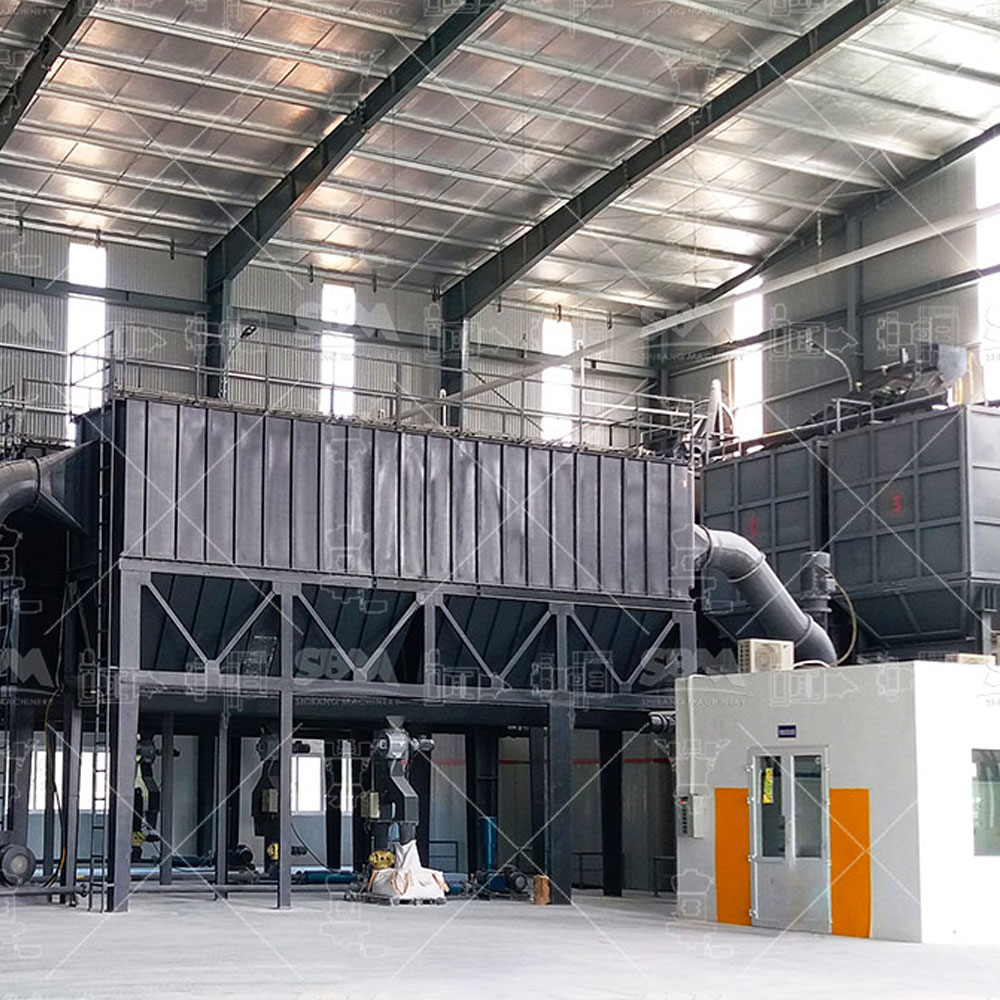
Even the traditional Ball Mill has been optimized by SBM to meet modern desulfurization demands. Through structural improvements and the use of advanced wear-resistant materials, we have mitigated classic pain points like high liner and ball consumption. The wet grinding ball mill remains a highly reliable option for direct slurry preparation, known for its stable operation and ability to produce a consistent product. SBM provides tailored ball mill solutions, ensuring the right fit for specific plant layout and process flow requirements.
Ultimately, selecting the right desulfurization mill is a strategic decision. It involves careful analysis of limestone characteristics, required capacity, final fineness, and total cost of ownership. SBM Machinery acts as a partner in this decision-making process, offering not just equipment but full-system engineering support. Our global experience ensures that every solution, whether it's a massive LM Vertical Mill for a new coal-fired plant or an Ultrafine Mill for a specialized application, is built for longevity, efficiency, and unwavering compliance with the world's toughest environmental standards.
Frequently Asked Questions (FAQs)
1. What is the main challenge with using traditional mills for limestone desulfurization, and how does SBM address it?
Traditional mills, especially older ball mills, often suffer from excessively high energy consumption and rapid wear of grinding media, leading to unpredictable operating costs and frequent maintenance shutdowns. SBM mills, like the LM Vertical Roller Mill, are designed with efficiency as a core principle, reducing energy use by up to 40% and utilizing special wear-resistant materials and clever designs (like replaceable shovel blades in the MTW Mill) to extend component life and lower the total cost of ownership.
2. We have limited space in our existing plant. Can your mills fit into a retrofit project?
Absolutely. A significant advantage of SBM's vertical roller mills (LM and LUM series) is their compact, integrated design. They typically require about 50% of the floor space of a traditional ball mill system of equivalent capacity. Their ability to be installed outdoors further saves valuable indoor space, making them an ideal choice for plant upgrades and space-constrained sites.
3. How do SBM mills ensure environmental compliance regarding dust and noise?
All SBM grinding systems are engineered with environmental protection as a key parameter. The mills operate under fully sealed, negative-pressure conditions, preventing any dust from escaping into the workshop. They are equipped with high-efficiency bag filter or pulse dust collectors, with collection rates exceeding international standards. Furthermore, optimized mechanical designs, sound insulation, and mufflers are employed to keep operational noise well within permissible limits.
4. Our process requires a very specific and consistent limestone fineness. How is this controlled?
Precise particle size control is critical for FGD efficiency. SBM's advanced mills, particularly the LUM Ultrafine Vertical Mill and SCM Ultrafine Mill, feature state-of-the-art turbine powder classifiers or multi-rotor classifiers. These allow for precise and adjustable cut points to achieve the desired fineness (from coarse grind to ultra-fine). Coupled with intelligent PLC/DCS control systems that automatically regulate key parameters, they ensure a stable and consistent product quality, batch after batch.
5. We are concerned about operational complexity and high labor costs. Are your mills easy to operate?
Yes. Ease of operation and automation are central to SBM's design philosophy. Our mills come with expert automatic control systems that enable simple local control or full remote operation from a central control room. Key parameters like grinding pressure, feed rate, and classifier speed are automatically regulated and monitored. This not only simplifies operation, requiring less specialized labor, but also enhances system stability and prevents operational errors that could lead to downtime or quality issues.


