

Dolomite mills for industrial mgo applications
Published on: October 26, 2023
In the high-value production chain of magnesium oxide (MgO) and its derivatives, the selection of grinding technology is a critical determinant of product quality, operational efficiency, and overall profitability. Dolomite, a primary source material, demands milling solutions that can deliver precise particle size distribution, high throughput, and exceptional energy efficiency while managing the material's specific abrasiveness. This article explores the pivotal role of advanced grinding mills in optimizing dolomite processing for MgO applications, highlighting how modern engineering addresses core industrial challenges to enhance yield, purity, and sustainability.
The journey from raw dolomite to refined MgO involves calcination and subsequent milling to achieve the desired reactivity and particle characteristics. Traditional grinding methods often fall short, plagued by high energy consumption, excessive wear on mechanical parts, inconsistent fineness, and significant dust emission. These shortcomings directly impact production costs, product consistency, and environmental compliance. Consequently, the industry is progressively shifting towards integrated milling systems designed to overcome these hurdles through intelligent design and automation.
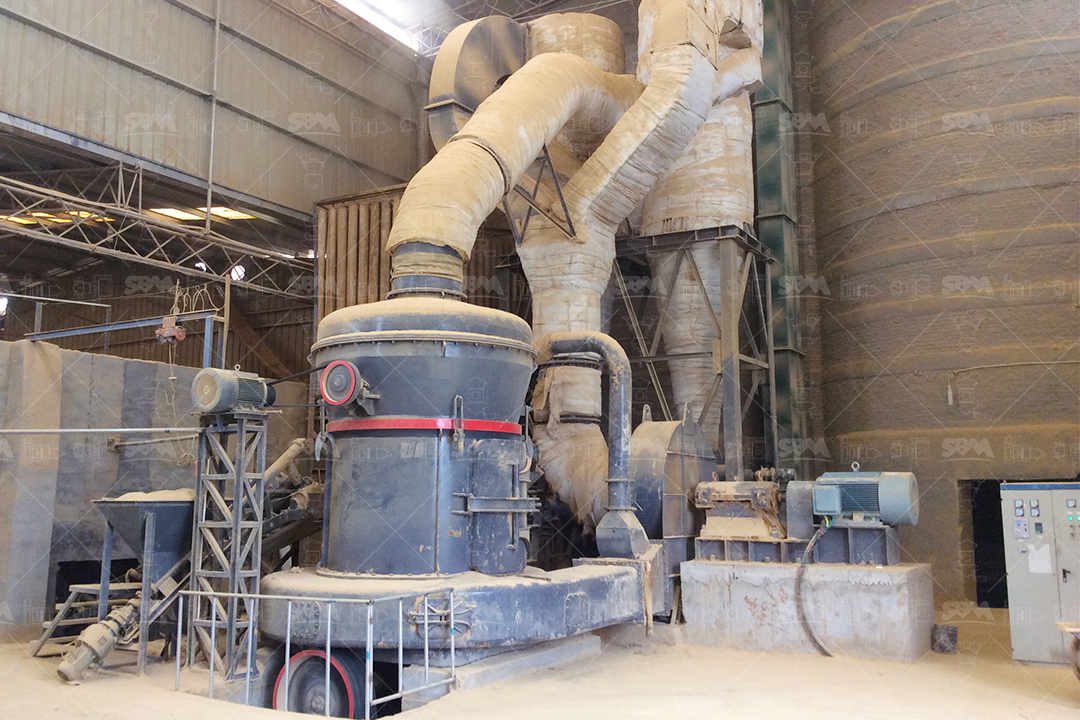 For large-scale dolomite powder preparation, particularly in applications requiring a fineness range of 30-400 mesh, the MTW Series European Trapezium Grinding Mill presents a robust solution. Its development, informed by extensive customer feedback and R&D, incorporates features specifically beneficial for abrasive minerals. The unique combined-type shovel blade design is a standout, allowing for the replacement of only the wear-prone blade segment rather than the entire assembly, drastically reducing maintenance downtime and spare parts cost. Furthermore, the curved design optimizes material feeding, extending the service life of the grinding roller and ring. The integral cone gear transmission ensures higher mechanical efficiency and reliability in continuous operation, while the arc air duct design minimizes pneumatic resistance, enhancing the system's overall energy efficiency for transporting ground powder.
When project scope demands even greater capacity and integration, the Vertical Roller Mill (LM series) emerges as a transformative technology. Its core advantage lies in consolidating crushing, drying, grinding, and classification into a single, compact unit. This integrated approach can reduce the plant's footprint by approximately 50% compared to conventional ball mill systems, leading to substantial savings in civil engineering and infrastructure costs. For dolomite processing, which may involve handling materials with residual moisture, the built-in drying capability is invaluable. Operationally, the principle of material bed grinding—where rollers compress material on a rotating table—results in remarkably lower specific energy consumption, often 30-40% less than traditional ball milling. The automated control system allows for precise regulation of grinding pressure and classifier speed, ensuring stable production of consistent powder quality with minimal manual intervention.
The pursuit of high-purity, high-value MgO compounds often necessitates ultrafine or even nano-scale grinding. Here, general-purpose mills reach their limits. The SCM Series Ultrafine Mill and the LUM Ultrafine Vertical Mill are engineered for this frontier. Capable of producing powders in the range of 325 to 4000 mesh, these mills unlock new application potentials for MgO in advanced ceramics, pharmaceuticals, and functional fillers. The SCM mill achieves high output with low energy consumption through an optimized grinding chamber and an efficient turbine powder classifier that ensures precise particle cut-off. The LUM Ultrafine Vertical Mill, integrating advanced grinding roller and German powder separation technology, offers superior efficiency for medium to high-capacity ultrafine lines. Its multi-rotor classifier allows for highly customizable fineness distribution, while the intelligent PLC/DCS system maintains optimal grinding parameters automatically, guaranteeing product uniformity batch after batch.
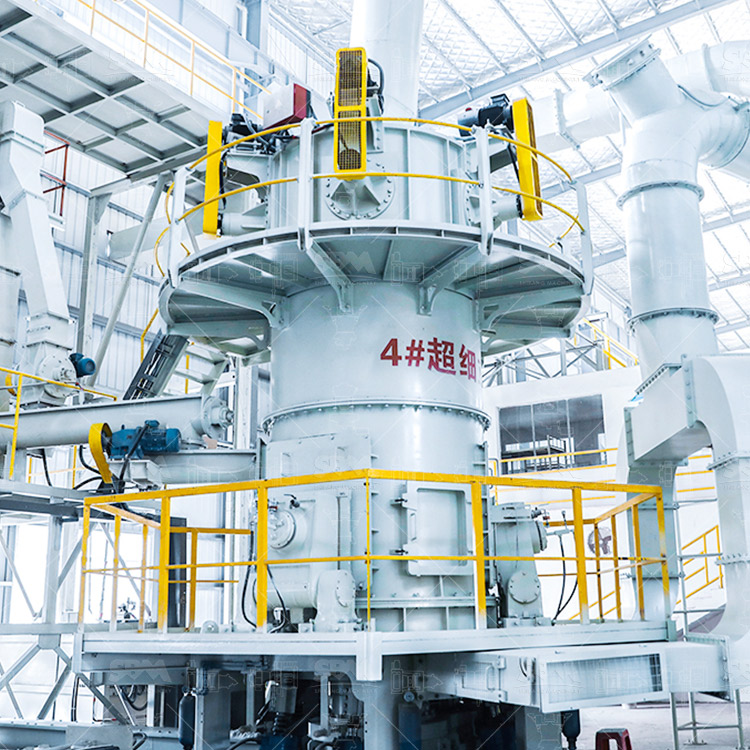 Beyond performance, modern dolomite mills must adhere to stringent environmental and operational safety standards. Contemporary designs address this comprehensively. Sealed systems operating under negative pressure effectively contain dust, protecting both worker health and the surrounding environment. Advanced pulse-jet bag dust collectors achieve filtration efficiencies far exceeding international standards. Moreover, innovations in sound insulation and vibration damping result in significantly lower noise levels, contributing to a better workplace. This focus on sustainability is not merely regulatory compliance but a core component of reducing the total cost of ownership and enhancing plant social license.
In conclusion, the evolution of grinding technology offers tailored pathways for the MgO industry to elevate its processes. From high-capacity trapezium mills for base powder production to integrated vertical roller mills for efficient intermediate grinding, and onto sophisticated ultrafine vertical mills for premium products, the right equipment choice is strategic. It directly influences product competitiveness through superior quality control, reduced operational expenditure, and a minimized environmental footprint. For processors aiming to refine their dolomite value chain, partnering with a technology provider offering a complete portfolio and deep process understanding is the first step toward achieving a sustainable and profitable operation.
Frequently Asked Questions (FAQs)
Q1: Our current dolomite grinding system suffers from high energy costs and rapid wear of grinding parts. What solutions can address both issues simultaneously?
A1: Modern mills like the Vertical Roller Mill utilize material bed grinding technology, which is inherently more energy-efficient (saving 30-40%) than impact-based systems. Combined with wear-resistant materials for rollers and tables and designs that minimize direct metal-to-metal contact, they significantly extend service life and reduce both energy and maintenance costs.
Q2: We need to produce very fine, high-purity MgO powder but struggle with yield consistency and overheating during grinding. Is there a suitable mill?
A2: Yes. Ultrafine Vertical Mills (e.g., LUM series) are designed for this exact challenge. They integrate efficient classification and grinding with advanced cooling systems. The multi-rotor classifier ensures precise particle size cut-off for consistent high purity, while the grinding principle generates less excess heat compared to traditional methods, protecting product properties.
Q3: Dust control in our milling plant is a major operational and environmental headache. How can new mill designs help?
A3: Contemporary mills are engineered as fully sealed systems that operate under negative pressure. This means any leakage is inward, preventing dust escape. When paired with high-efficiency pulse dust collectors (often >99.9% efficiency), they ensure a clean working environment and full compliance with stringent emission standards.
Q4: We are planning a new MgO production line and are concerned about the large footprint and complex layout of traditional grinding circuits. Are there more compact options?
A4: Absolutely. Integrated grinding systems, particularly Vertical Roller Mills, combine multiple process steps (drying, grinding, separation) into one unit. This holistic design can reduce the required floor space by up to 50% and simplifies auxiliary systems (like conveyors), leading to lower civil costs and a more streamlined plant layout.
Q5: Achieving a stable and specific particle size distribution is critical for our MgO customers. How can we ensure consistency, especially with varying feed material characteristics?
A5: The key is automation and intelligent control. Advanced mills come equipped with expert control systems (PLC/DCS) that continuously monitor and automatically adjust critical parameters like grinding pressure, feed rate, and classifier speed. This compensates for minor variations in feed material, delivering a consistent final product fineness without constant manual tuning.


