

Crusher or mill for wood powder?
Published on: October 26, 2023
Choosing between a crusher and a mill for wood powder production is a critical decision that hinges on your target particle size, required capacity, and overall process efficiency. While crushers are suitable for primary size reduction to coarse chips, achieving the fine to ultra-fine powders demanded by modern industries like biocomposites, MDF, or biofuel pellets necessitates specialized grinding mills. This article explores the technical pathways for wood powder processing, focusing on how different mill technologies—from vertical roller mills to ultra-fine grinding systems—address specific production challenges, enhance yield, and optimize operational costs, drawing on proven solutions from SBM Machinery's global experience in powder processing.
The journey from wood chips or sawdust to a consistent, high-quality powder is more than just brute force pulverization. It involves precise control over particle size distribution, moisture content, and fiber integrity. A common misconception is that any heavy-duty crusher can produce fine wood flour. In reality, crushers excel at the first stage: breaking down larger pieces into manageable chips or coarse particles. For applications requiring mesh sizes finer than 30-40 mesh (approximately 600-425 microns), a dedicated grinding mill becomes indispensable. The selection of the appropriate mill type directly impacts product quality, energy consumption, and long-term maintenance costs.
For general-purpose wood powder production in the range of 30 to 400 mesh, two robust options stand out: the MTW Series European Trapezium Grinding Mill and the LM Vertical Roller Mill. The MTW Mill, an advanced evolution of the Raymond mill design, is engineered for reliability and cost-effective operation. Its patented features, such as the cone gear whole transmission and inner oil absorption lubrication system, ensure stable, high-efficiency grinding with reduced mechanical wear. The unique curved shovel blade design feeds material optimally onto the grinding ring, prolonging the life of critical wear parts. This mill is particularly effective for producing consistent wood powders used in particleboard or as a filler material.
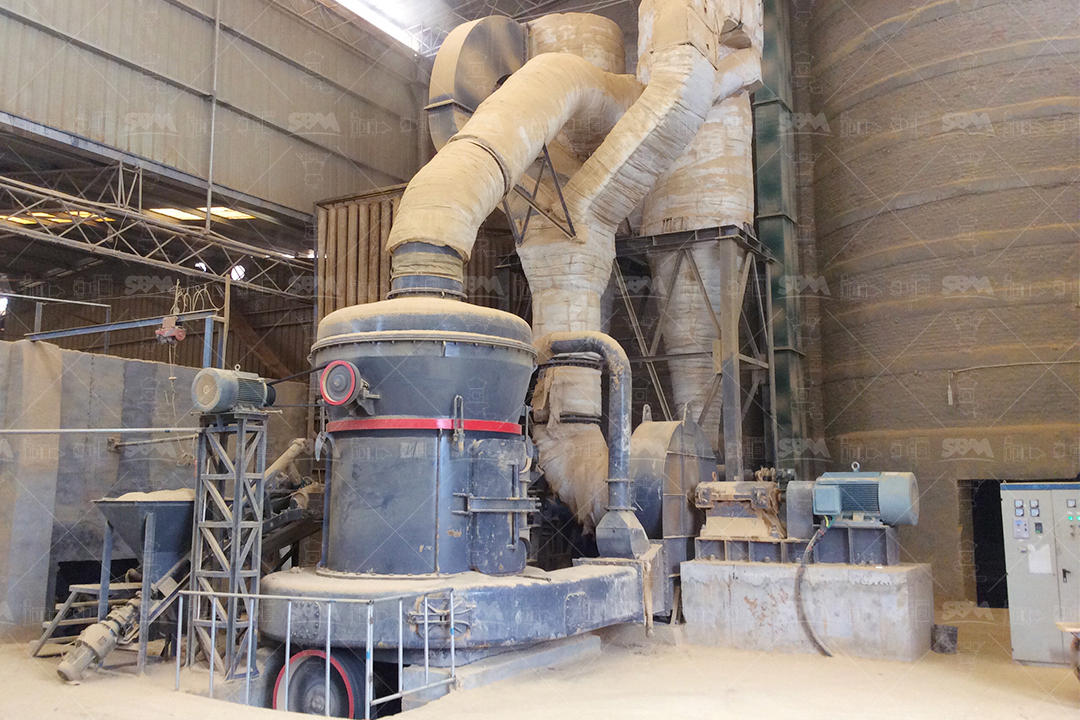
When capacity, space, and integrated processing are paramount, the LM Vertical Roller Mill presents a compelling solution. Its greatest strength lies in its integrated design, combining drying, grinding, classification, and conveying into a single, compact unit. For wood feedstocks with variable moisture content, this integrated drying capability is a significant advantage, eliminating the need for a separate dryer. The grinding principle—where rollers press and grind material on a rotating table—translates to 30-40% lower energy consumption compared to traditional ball mill systems for the same output. Furthermore, its vertical footprint can reduce plant layout space by approximately 50%, offering substantial savings in civil construction costs.
The demands of high-value applications push the boundaries of fineness. Industries producing wood-plastic composites (WPC), specialty coatings, or functional fillers often require ultra-fine wood powders reaching 4000 mesh. Here, specialized technologies like the SCM Series Ultrafine Mill and the LUM Ultrafine Vertical Mill come to the fore. The SCM Mill is designed for extreme fineness and stable operation at a micro-scale. It employs a high-efficiency vertical turbine powder classifier that ensures precise particle cut-off and prevents coarse powder spillover. Its heavy-duty rotor and balanced grinding chamber design minimize vibration, which is crucial for maintaining consistency in ultra-fine grinding.
Building on vertical mill advantages for ultra-fine applications, the LUM Ultrafine Vertical Mill incorporates advanced German powder separation technology. Its core innovation is the multi-rotor powder classifier system, which allows for highly customizable and narrow particle size distributions. This is vital for premium products where consistent particle geometry affects composite strength and surface finish. The mill's intelligent PLC/DCS control system automatically adjusts grinding pressure and classifier speed in response to feed variations, ensuring stable product quality and reducing manual intervention.
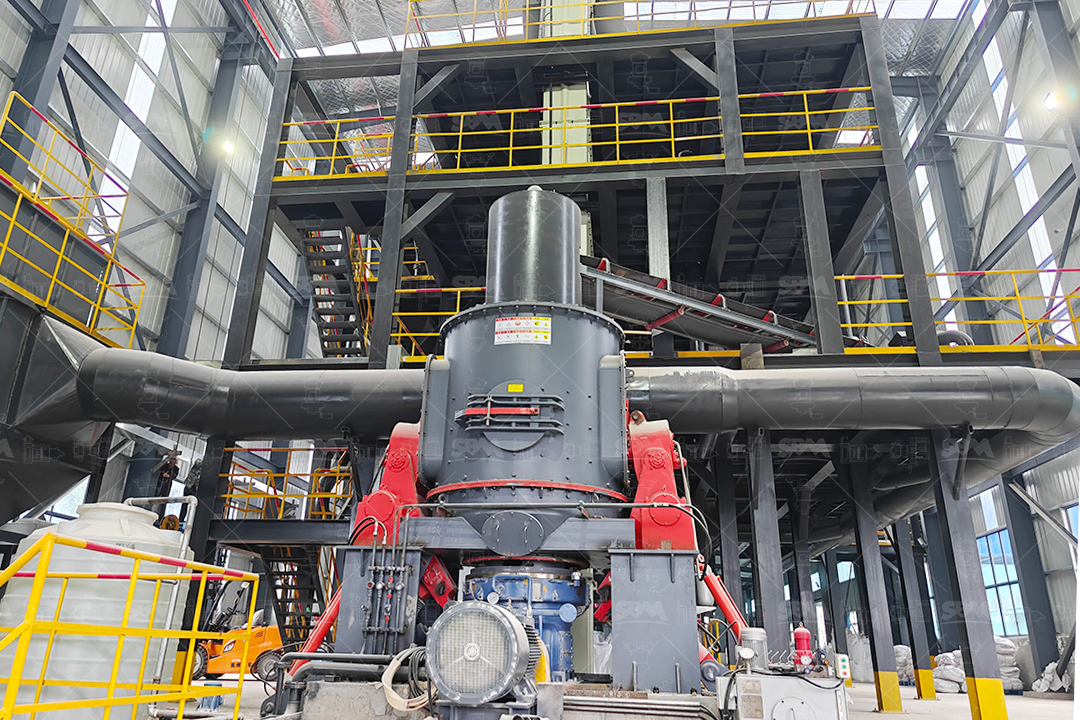
While ball mills are a mature technology and can be used for wood powder, they are often less efficient for fibrous materials compared to the mills discussed. Modern vertical and trapezium mills offer superior energy efficiency, better drying integration, and more precise size control specifically for materials like wood. The evolution of mill technology focuses on solving key client pain points: high energy bills, excessive wear part replacement costs, inconsistent product fineness, large factory footprints, and dust emission challenges. Solutions like automatic lubrication systems, wear-resistant material alloys, fully sealed negative-pressure operation, and intelligent automation are direct responses to these industry-wide challenges.
Ultimately, the choice is not merely "crusher vs. mill" but about selecting the right mill for your specific wood powder profile. Factors such as input chip size, desired output mesh, required hourly capacity, initial moisture, and budget constraints must all be evaluated. With a portfolio serving over 180 countries, the expertise lies in matching these parameters with the correct grinding technology—whether it's the high-capacity LM Vertical Roller Mill for base-level production or the precision-engineered LUM Mill for high-end specialty powders—to build a efficient, profitable, and sustainable wood processing operation.
Frequently Asked Questions (FAQs)
- Q: My current wood grinding setup has high energy costs and frequent downtime for part replacement. What is the most cost-effective solution?
A: Consider mills designed for low operating costs. Technologies like the LM Vertical Roller Mill consume 30-40% less energy than traditional systems. Furthermore, features like the MTW Mill's combined-type shovel blade or specially hardened rollers and rings in ultra-fine mills drastically reduce wear part consumption and maintenance frequency, lowering your cost-per-ton significantly. - Q: I need to process wood with varying moisture content into a fine, dry powder. Can one machine handle both drying and grinding?
A: Yes. Integrated drying-grinding systems are a key advantage of vertical roller mills like the LM series. They can handle feed material with moisture by introducing hot air into the grinding chamber, simultaneously drying and pulverizing, which streamlines your process and saves capital on separate drying equipment. - Q: My product requires an extremely consistent and narrow particle size distribution (e.g., for high-grade composites). How can I achieve this reliably?
A: Achieving tight particle distribution requires advanced classification technology. The LUM Ultrafine Vertical Mill with its multi-rotor classifier or the SCM Ultrafine Mill with its high-efficiency turbine classifier offer precise size control. Their automated systems adjust parameters in real-time to maintain your target fineness, ensuring batch-to-batch consistency. - Q: Dust control and plant cleanliness are major concerns for our facility. Are modern mills environmentally compliant?
A: Absolutely. Contemporary mills are designed as fully sealed systems operating under negative pressure. This means no dust spillage during operation. Coupled with efficient pulse dust collectors and bag filters, they easily meet stringent national and international environmental emission standards, keeping your workspace clean and compliant. - Q: We have limited floor space but need to scale up production. Is there a space-efficient grinding solution?
A: Vertical roller mills are the ideal choice for space-constrained facilities. Their integrated, vertical design can reduce the overall floor space requirement by up to 50% compared to traditional horizontal ball mill circuits. They can also be installed outdoors, further optimizing your plant layout.


