

Iron ore decline impacts mill industry
Published: October 26, 2023
The global milling industry faces significant headwinds as fluctuating iron ore supplies and quality inconsistencies disrupt traditional production models. This volatility compels operators to seek greater operational flexibility, energy efficiency, and adaptability in their grinding circuits. In this challenging landscape, advanced milling technologies that can process variable feedstocks, reduce specific energy consumption, and maintain precise product quality are transitioning from competitive advantages to operational necessities. This article explores the impact of raw material instability and how next-generation grinding equipment provides a pathway to resilience, cost control, and consistent output.
The recent decline in consistent, high-grade iron ore availability has sent ripples through dependent industries. For milling operations, this translates to processing feed materials with greater variability in hardness, moisture content, and grindability. Traditional grinding systems, often designed for a narrow range of input specifications, struggle under these conditions, leading to unpredictable throughput, premature wear of components, and spikes in energy use. The resultant increase in downtime for maintenance and recalibration directly impacts profitability and supply chain reliability. Operators are therefore compelled to re-evaluate their core comminution processes, seeking solutions that are inherently more robust and intelligent.
In response to these industry-wide pain points, the evolution of grinding technology has focused on adaptability and holistic system efficiency. Modern mills are engineered not merely as standalone pulverizers but as integrated processing systems. For instance, the integration of drying, grinding, and classification within a single unit, as seen in advanced Vertical Roller Mills (VRM), addresses the challenge of variable moisture content directly. This integrated approach eliminates the need for separate drying equipment, simplifying the plant layout and reducing thermal energy losses. The ability to adjust grinding pressure and classifier speed in real-time allows operators to maintain target fineness and output even as the characteristics of the incoming iron ore or alternative raw materials shift.
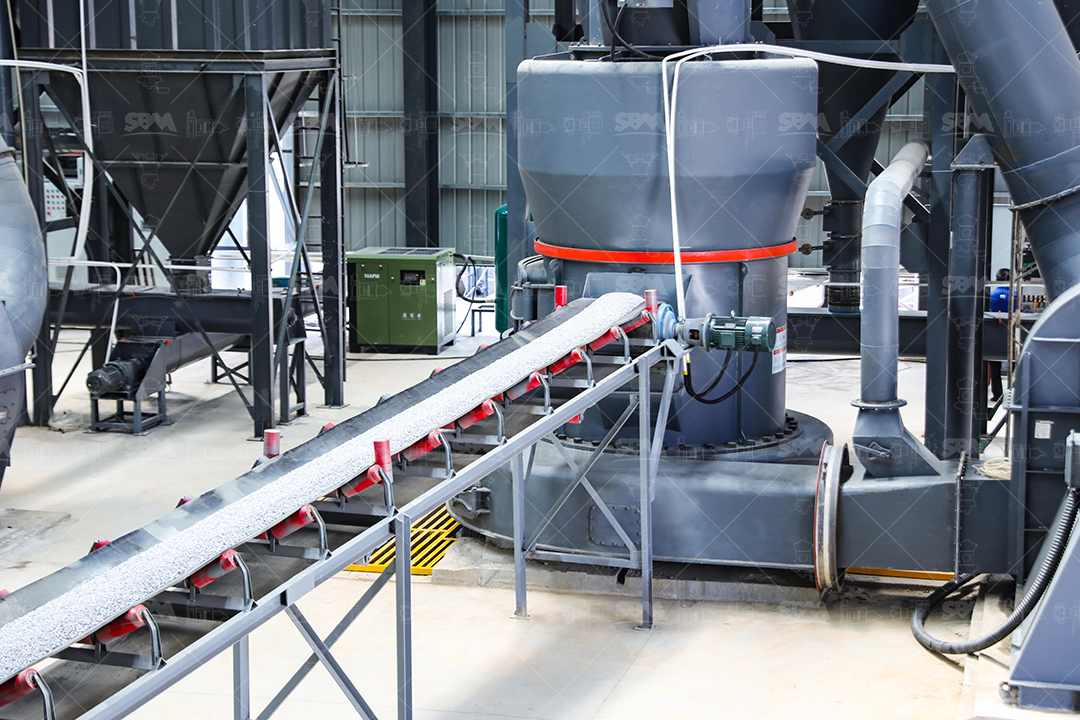
Energy consumption represents one of the most critical operational costs in milling, a factor magnified by the need to process harder or less pure ores. Innovations in drive and grinding mechanics are delivering substantial savings. Technologies like cone gear whole transmission minimize power loss in mechanical transfer, while optimized grinding curves and material bed compression in vertical mills achieve pulverization with significantly lower specific energy compared to traditional ball mills. Furthermore, features such as inner oil absorption lubrication systems and wear-proof shovel blade designs extend the service life of critical wear parts. This reduction in both energy draw and maintenance frequency creates a double buffer against the cost pressures induced by raw material decline.
Beyond efficiency, environmental and product quality standards continue to tighten. The industry can no longer afford the dust spillage and high noise levels associated with older milling setups. Contemporary mill designs prioritize containment and cleanliness through wholly sealed systems operating under negative pressure, ensuring no dust escape. This is complemented by high-efficiency baghouse and pulse dust collectors. On the product side, the demand for finer and more consistent powders in applications like steel plant sintering or advanced materials requires precise particle size distribution control. Ultrafine grinding mills and advanced turbo classifiers meet this need, offering adjustable fineness from coarse granules to powders exceeding 2500 mesh, ensuring end-product quality regardless of feed stock challenges.
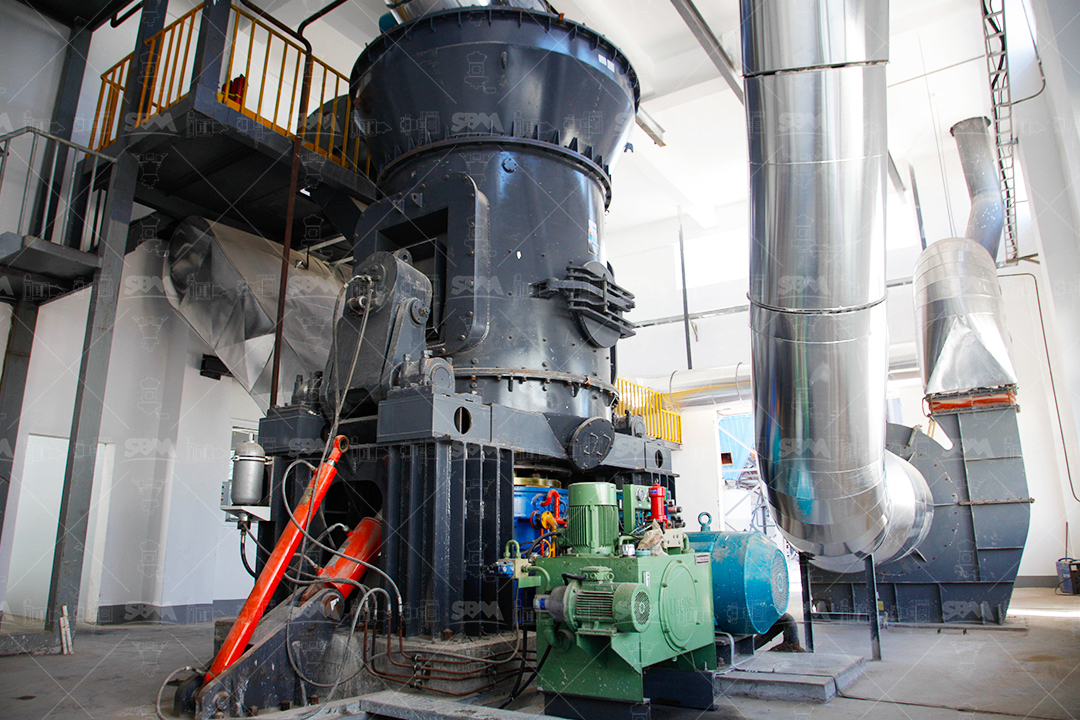
The path forward for the milling industry amidst raw material uncertainty lies in strategic technology adoption. Investing in flexible, intelligent, and efficient grinding systems is no longer merely an upgrade but a fundamental aspect of risk management. By leveraging equipment that offers automated control, lower operating costs, and adaptability to a wider range of materials, operators can transform the challenge of iron ore volatility into an opportunity for optimized, future-proof operations.
Frequently Asked Questions (FAQs)
- Our incoming raw material quality (like iron ore tailings or alternative minerals) is highly inconsistent. Can your mills handle frequent changes in hardness and moisture?
Yes. Our advanced mills, particularly the LM Vertical Roller Mill and LUM Ultrafine Vertical Mill, are designed for such variability. They feature automated control systems that adjust grinding pressure, roller speed, and classifier settings in real-time to maintain consistent output size and throughput despite fluctuations in feed material properties. The integrated drying function in VRMs is specifically advantageous for handling varying moisture content. - Energy costs are crippling our operation, especially when processing harder materials. What tangible energy savings can your equipment offer?
Our grinding solutions are engineered for maximum energy efficiency. For example, Vertical Roller Mills can reduce energy consumption by 30% to 40% compared to traditional ball milling systems for the same output. Features like whole gear transmission and optimized grinding dynamics minimize power waste, directly lowering your operational expenditure per ton of processed material. - We experience excessive downtime due to the wear and tear of grinding parts when processing abrasive ores. How do you address this?
We utilize special, durable materials and innovative designs to extend component life. Our European Trapezium Mill features a unique curved shovel blade and wear-resistant roller/ring designs that significantly prolong service intervals. For vertical mills, the rollers and grinding plates are made from high-quality alloys, and the non-contact design in the grinding zone reduces direct abrasive wear, lowering your cost of spare parts and maintenance downtime. - We need to produce a much finer powder for new market applications but our current mill cannot achieve the required fineness. What are our options?
Our SCM Ultrafine Mill and LUM Ultrafine Vertical Mill are specifically designed for high-finesse applications. They can reliably produce powders from 325 mesh up to 4000 mesh (D97 ≤5µm), meeting stringent requirements for industries like advanced ceramics, chemicals, and high-grade coatings. The efficient turbine powder classifiers ensure precise particle size cut and no coarse powder spillover. - Environmental compliance is a major concern for our plant expansion. Are your mills environmentally friendly?
Absolutely. Our modern mill systems are fully sealed and operate under negative pressure, completely preventing dust spillage. They are equipped with high-efficiency pulse dust collectors that meet and exceed international emission standards. Furthermore, designs incorporate sound insulation and mufflers to effectively control noise pollution, ensuring your plant meets strict environmental regulations.


