

Manufacturers with quality grinding equipment
Published: October 26, 2023
In the demanding world of industrial powder processing, selecting the right grinding equipment manufacturer is a critical decision that directly impacts operational efficiency, product quality, and long-term profitability. Shanghai SBM Machinery Equipment Co., Ltd. (SBM Machinery) has established itself as a premier total solution provider, distinguished by its comprehensive portfolio of advanced grinding systems engineered to address the complex challenges across mining, chemicals, building materials, and energy sectors. With a legacy of serving over 180 countries, SBM’s strength lies in its deep integration of R&D insights, customer feedback, and innovative engineering, resulting in mills that deliver superior performance, remarkable energy savings, and unwavering reliability. This article explores the technical sophistication behind SBM’s key grinding solutions, illustrating how their design philosophy directly targets common industry pain points to provide a tangible competitive edge.
The journey toward operational excellence often begins with the core grinding process. SBM’s MTW Series European Trapezium Grinding Mill represents a paradigm shift from traditional Raymond mill designs. Born from the analysis of thousands of customer proposals, this mill incorporates international advanced technologies like the bevel gear whole transmission system. This design isn't merely an upgrade; it's a re-engineering for efficiency. The integral transmission eliminates redundant components, achieving higher mechanical efficiency while saving valuable plant space and reducing initial investment complexity. Furthermore, the patented curved shovel blade design is a masterstroke in cost management. By allowing only the blade—not the entire assembly—to be replaced during maintenance, it drastically cuts downtime and spare parts costs. Combined with an optimized arc air duct that minimizes pneumatic energy loss, the MTW Series transforms grinding from a high-wear, energy-intensive operation into a streamlined, cost-effective process.
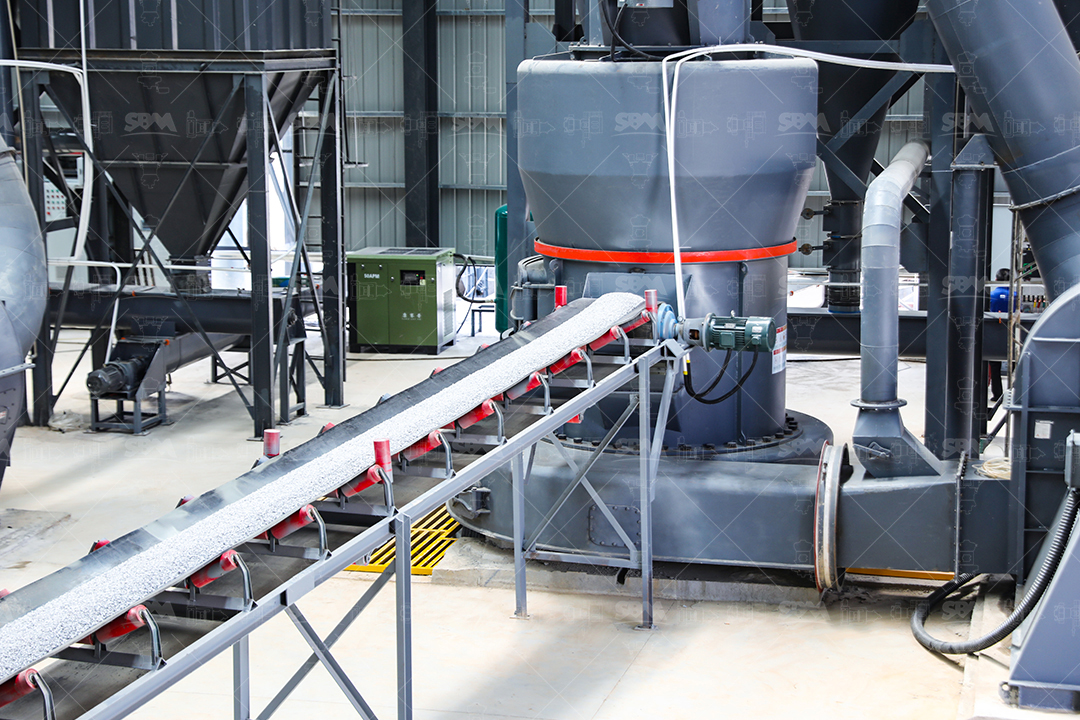
For projects demanding high capacity and integrated processing, the Vertical Roller Mill (VRM) stands out. SBM’s LM Vertical Roller Mill directly confronts the classic industry dilemmas of low output and excessive energy consumption. Its genius lies in integration. By combining crushing, drying, grinding, and classification into a single, compact unit, it reduces the plant footprint by up to 50% compared to traditional ball mill systems. This consolidation translates directly into lower civil engineering and installation costs. The operating cost savings are even more compelling. The grinding rollers, made from special wear-resistant materials, operate on a bed of material without direct metal-to-metal contact with the grinding plate. This principle, coupled with efficient grinding dynamics, results in energy savings of 30-40% and significantly extended wear life. An integrated expert automatic control system allows for seamless remote operation, optimizing performance and minimizing labor requirements, making it an ideal backbone for large-scale production in cement, coal, and chemical industries.
As market demands push for finer powders, general grinding mills hit a technological ceiling. SBM’s response is the SCM Series Ultrafine Mill, engineered for precision in the sub-5μm range. This mill tackles the twin challenges of achieving high fineness without sacrificing throughput or skyrocketing energy costs. Its high-efficiency turbine classifier ensures precise particle size cuts with no coarse powder spillover, while a frequency-conversion control system allows for easy, on-the-fly adjustment of product fineness. Perhaps its most significant advantage is its exceptional efficiency: it offers more than double the capacity of conventional jet mills while consuming 30% less energy. The heavy-duty rotor and balanced grinding chamber design ensure stable, vibration-free operation, which is critical for maintaining consistent product quality in high-value applications like advanced materials and coatings.
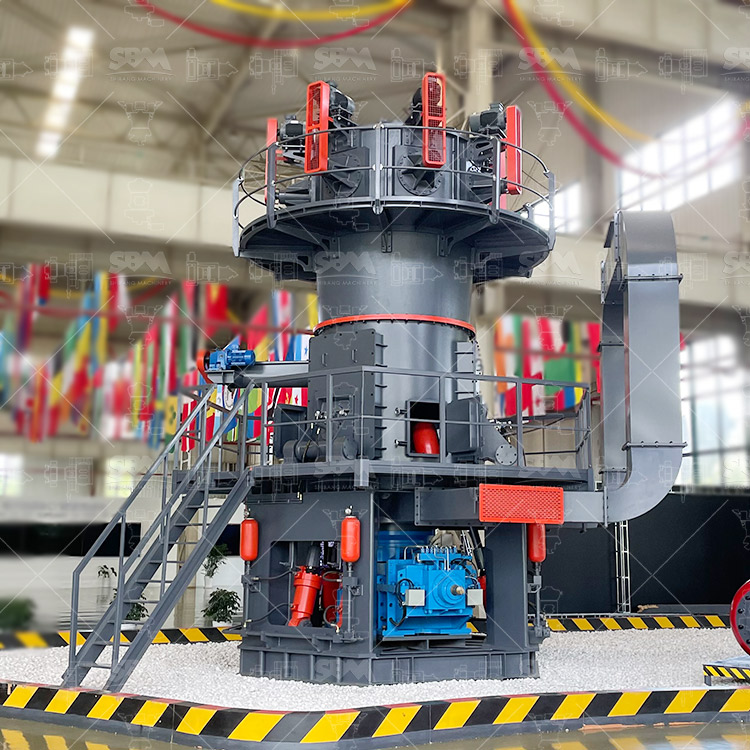
Building on vertical mill technology, the LUM Ultrafine Vertical Mill incorporates advanced powder separating technology from Germany for the most demanding ultra-fine applications. It excels in processing non-metallic minerals like calcite, marble, and barite up to 4000 mesh. Its unique grinding curve design promotes stable material bed formation, enhancing grinding efficiency and the yield of first-pass finished product. The multi-rotor classifier enables precise, customizable fineness without producing low-grade material. Like its counterparts, it features a fully sealed system operating under negative pressure, ensuring a dust-free, environmentally compliant workspace—a non-negotiable requirement in modern manufacturing.
Even for mature technologies like the ball mill, SBM applies its innovative lens. Recognizing persistent issues with grinding media wear and high energy use, SBM’s optimized ball mills feature structural enhancements and superior materials that extend component life. Offering both dry and wet process models, these mills provide reliable, versatile solutions for mineral dressing and common powder production, proving that continuous improvement is applied across the entire product range.
In conclusion, a quality grinding equipment manufacturer is defined not just by its product catalog, but by its commitment to solving real-world operational headaches. SBM Machinery demonstrates this through a holistic approach: designing for lower wear and longer life to reduce operating costs, engineering for integrated efficiency to slash energy bills and footprint, and automating for control and simplicity. For any operation looking to enhance productivity, ensure product consistency, and future-proof their grinding process, partnering with a manufacturer that embeds these solutions into their equipment’s DNA is the foundational step toward sustainable success.
Frequently Asked Questions (FAQs)
- How can we significantly reduce the high operating and maintenance costs associated with frequent wear part replacement in our grinding mill?
The key is selecting mills designed for longevity and easy maintenance. For instance, mills featuring patented wear-proof designs where only specific components like shovel blades need replacement, and those utilizing special material formulations for rollers and rings, can extend service cycles by several times, directly lowering part consumption and downtime costs. - Our current grinding system has a very large footprint and requires complex auxiliary equipment. Is there a way to simplify the layout and reduce initial investment?
Yes. Modern vertical roller mills integrate multiple functions (drying, grinding, separating) into a single, compact unit. This integrated design can reduce the required floor space by up to 50% compared to traditional systems like ball mill circuits and often allows for outdoor installation, dramatically cutting civil work and overall project capital expenditure. - Energy consumption is our biggest cost driver. What grinding solutions can offer a verifiable reduction in power usage?
Advanced grinding technologies, particularly vertical roller mills and next-generation trapezium mills, are engineered for optimal energy efficiency. Through principles like material bed grinding and highly efficient transmission systems, these mills can achieve energy savings of 30% to 40% compared to conventional ball milling systems, with the efficiency gains being most pronounced in medium to high-capacity applications. - We need to produce very fine powders consistently, but our current equipment struggles with fineness control and stable output quality. What should we look for?
For ultra-fine grinding (325-4000 mesh), seek mills equipped with high-precision, adjustable classifiers (like turbine or multi-rotor classifiers) and intelligent control systems. These features allow for precise, real-time adjustment of particle size distribution, ensure no coarse powder spillover, and maintain stable, vibration-free operation for consistent product quality batch after batch. - Meeting strict environmental regulations on dust and noise is a major concern for our plant upgrade. How can new grinding equipment help?
Modern grinding mills from leading manufacturers are designed with environmental protection as a core feature. Look for fully sealed systems that operate under negative pressure to completely prevent dust escape. Additionally, designs that minimize vibration through balanced rotors and include integrated sound insulation or mufflers can effectively reduce noise pollution, ensuring compliance with national and international environmental standards.


