

Sbm: mill trends from new energy perspective
Published: October 26, 2023
The global transition towards new energy sources is fundamentally reshaping industrial processes, placing unprecedented demands on material preparation and powder processing. From lithium battery cathode/anode materials to photovoltaic silicon powder and hydrogen storage alloys, the new energy sector requires grinding solutions that deliver ultra-fine particle sizes, exceptional purity, stringent particle distribution control, and superior energy efficiency. SBM Machinery, as a total solution provider with decades of expertise spanning the entire mineral processing workflow, is at the forefront of this evolution. Our advanced mill portfolio—including the MTW European Trapezium Mill, LM & LUM Vertical Roller Mills, SCM Ultrafine Mill, and optimized Ball Mills—is engineered to address these specific challenges. This article explores how modern milling technology is evolving to meet the rigorous standards of the new energy industry, focusing on efficiency, precision, and sustainability.
The cornerstone of new energy material processing lies in achieving consistent, high-purity powders with controlled morphology. Traditional grinding methods often fall short in terms of energy consumption, contamination risk, and fineness control. SBM's vertical roller mill technology, exemplified by the LM and LUM series, offers a paradigm shift. By integrating crushing, drying, grinding, and classification into a single, compact system, these mills reduce the plant footprint by up to 50% and lower energy consumption by 30-40% compared to conventional ball milling systems. This integrated approach is critical for processing materials like lithium cobalt oxide or graphite, where thermal stability and avoidance of contamination are paramount. The automatic control system ensures stable operation under negative pressure, eliminating dust spillover and maintaining a clean production environment essential for battery-grade materials.
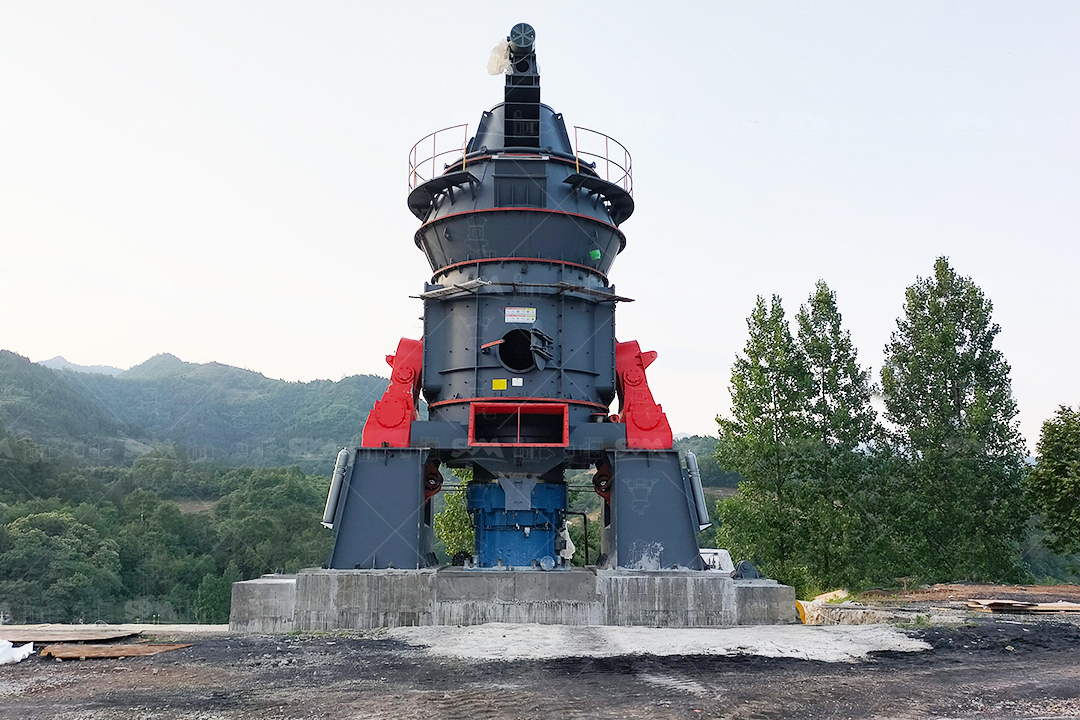
For applications demanding extreme fineness, such as ceramic coatings for fuel cells or nano-scale additives, the SCM Ultrafine Mill and LUM Ultrafine Vertical Mill set new benchmarks. Capable of achieving a fineness range from 325 to 4000 mesh (with D97 ≤5μm), these mills utilize advanced classifier technology—like the efficient vertical turbine and multi-rotor systems—to ensure precise particle size cuts without coarse powder spillover. The high-efficiency, low-energy-consumption design is a direct response to the industry's need for cost-effective production of high-value powders. The heavy-duty rotor and specially hardened roller/ring assemblies, made from wear-resistant materials, significantly extend service life and reduce maintenance downtime, a key consideration for continuous production lines in the fast-paced new energy sector.
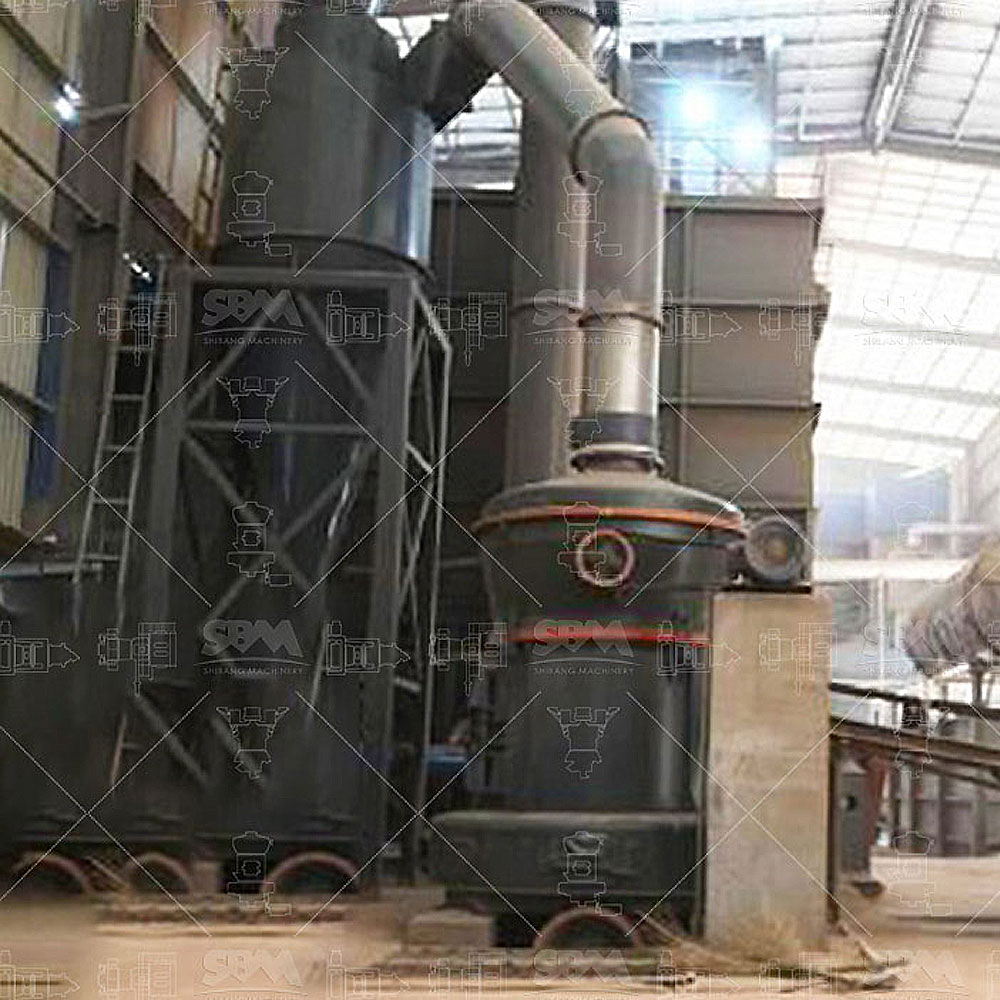
Beyond ultra-fine grinding, reliability and adaptability remain crucial. The MTW European Trapezium Mill, with its innovative cone gear whole transmission and arc air duct design, provides a robust solution for mid-range fineness applications, such as preparing desulfurization limestone powder for clean coal technology or processing mineral fillers for composite materials. Its unique wear-proof shovel blade design minimizes operating costs by allowing for the replacement of only the blade segment, not the entire assembly. Meanwhile, SBM's continuously optimized Ball Mill, available in dry and wet configurations, remains a reliable workhorse for certain precursor material preparation stages, where its maturity and versatility are valued.
From a systemic perspective, the trend is unmistakably towards intelligent, eco-friendly grinding circuits. SBM's mills are increasingly equipped with expert automatic control systems (PLC/DCS) that enable remote monitoring, precise adjustment of grinding pressure and classifier speed, and predictive maintenance alerts. This intelligence translates directly to lower labor costs, consistent product quality, and optimized energy use. Furthermore, the inherent environmental benefits—low noise, fully sealed systems operating under negative pressure, and emissions meeting international standards—align perfectly with the sustainable ethos of the new energy industry. As the sector grows, the ability to provide a total solution, from single units to complete, automated grinding systems, will be the differentiator for equipment providers.
In conclusion, the evolution of milling equipment is inextricably linked to the advancements in new energy. The demand is no longer just for size reduction, but for integrated, intelligent, and exceptionally efficient powder-engineering platforms. SBM Machinery, with its global experience serving over 180 countries and a deep commitment to R&D informed by thousands of client proposals, is strategically positioned to deliver these next-generation solutions. By focusing on lower total operating costs, higher product quality, and sustainable operation, SBM's grinding technologies are powering the material foundation of the clean energy future.
Frequently Asked Questions (FAQs)
- Q: We need to process lithium ore into very fine, consistent powder for battery production, but we are concerned about metal contamination from grinding media. How does SBM address this?
A: Our LUM Ultrafine Vertical Mill and SCM Ultrafine Mill are designed with special material selections for grinding rollers and linings. The grinding principle often involves material-on-material or ceramic-lined contact, significantly reducing the risk of iron contamination. Furthermore, the fully sealed system prevents external pollutants from entering the product stream. - Q: Energy costs are a major pain point. Can your mills really deliver the 30-40% energy savings mentioned?
A: Yes, particularly for our LM Vertical Roller Mill and LUM series. The savings are achieved through the integrated grinding-drying principle, high-efficiency classification that avoids over-grinding, and advanced drive systems like the cone gear transmission in our MTW Mill. These designs directly reduce kWh consumption per ton of product, a critical metric for cost-sensitive new energy material production. - Q: Our product fineness requirements are extremely strict and may change between batches. How flexible are your mills?
A: Our ultrafine and vertical mills feature advanced, frequency-conversion controlled powder classifiers. The fineness can be adjusted quickly and precisely in a wide range (e.g., 325-4000 mesh) via the control system without stopping the mill. This allows for flexible production scheduling to meet different customer specifications for materials like silica or ceramic powders. - Q: Dust control and plant cleanliness are non-negotiable for our high-purity material lines. What environmental features do your systems offer?
A: All our modern mill systems are designed to operate under full negative pressure. This means air is drawn into the mill, preventing any dust from escaping. Coupled with high-efficiency pulse dust collectors (often with a double collection stage), the system ensures dust emissions are far below national and international standards, protecting both product purity and the workplace environment. - Q: We operate a continuous process and cannot afford frequent shutdowns for maintenance. What is the wear life of key components?
A: We address this through material science and design. Key wear parts like rollers, rings, and shovel blades are made from high-alloy or specially hardened materials developed through our R&D. Features like the replaceable shovel blade tip in the MTW Mill or the durable roller shell in the LUM Mill extend service life dramatically, often by multiples compared to conventional parts, ensuring higher availability and lower long-term maintenance costs.


