

Carbon black production: precipitation (sol-gel)
Published: October 26, 2023
The production of high-quality carbon black via the precipitation (sol-gel) method demands precision, consistency, and efficiency, particularly in the final grinding stages where particle size distribution and morphology are critical. This process, essential for applications in plastics, coatings, inks, and new energy materials, often faces challenges related to energy intensity, product fineness control, and operational costs. Modern grinding technology plays a pivotal role in overcoming these hurdles, enabling manufacturers to achieve superior product quality, enhanced throughput, and sustainable operations. By integrating advanced milling systems designed for ultrafine processing and intelligent control, producers can optimize the entire sol-gel carbon black value chain, from raw material handling to final powder classification.
The sol-gel method for carbon black involves the formation of a solid three-dimensional network from a colloidal solution (sol), which is then carefully dried and processed to create a porous, high-surface-area material. The final mechanical processing—grinding and classification—is where the functional properties of the carbon black are truly defined. Achieving a consistent and ultrafine particle size, often down to the sub-micron or even nanometer range, is paramount for performance in composite materials. Traditional grinding equipment can struggle with the abrasive nature of carbon black, leading to high wear part consumption, contamination, and inconsistent particle size distribution, which directly impacts the electrical conductivity, reinforcement, and UV protection properties of the final product.
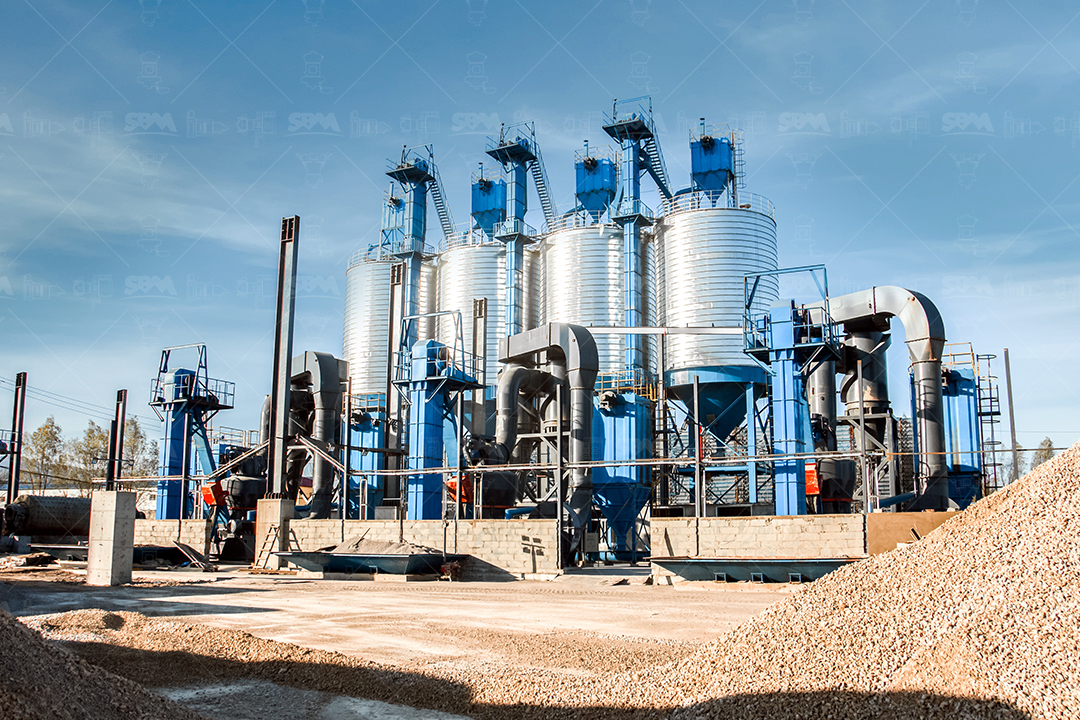
This is where specialized grinding mills become a game-changer. For instance, vertical roller mills (VRM) offer a significant advantage in this application. Their integrated design combines drying (if needed), grinding, and classification in a single, compact unit. The grinding principle, where rollers press against a rotating table, is highly efficient for brittle materials like processed carbon black. The direct grinding action with lower rotational speeds compared to traditional ball mills results in substantially lower energy consumption—often 30-40% less. Furthermore, the minimal direct metal-to-metal contact in the grinding zone, coupled with advanced wear-resistant materials for rollers and tables, drastically reduces metallic contamination and extends maintenance intervals, addressing a key pain point of product purity and operating cost.
For producers targeting the highest purity and finest grades of carbon black, such as those used in high-performance plastics or conductive additives, ultrafine grinding mills are the preferred solution. These mills are engineered to produce powders with fineness ranging from 325 to over 2500 mesh. Their design often incorporates advanced classifier technology that ensures precise particle size cuts, eliminating coarse particle spillover. The result is a carbon black product with a very narrow particle size distribution (PSD), which is crucial for achieving predictable and uniform performance in the final application. The ability to consistently reach a fineness of D97 ≤ 5μm places end-products at the forefront of market requirements.
Operational stability and environmental compliance are non-negotiable in modern manufacturing. Advanced milling systems are designed with full negative pressure operation and multiple sealing points, ensuring a dust-free workshop and protecting worker health. Intelligent control systems allow for remote monitoring and automated adjustment of key parameters like grinding pressure, classifier speed, and feed rate. This not only stabilizes product quality by responding in real-time to material variations but also reduces labor dependency and the potential for human error. The low-vibration design and integrated noise reduction features further contribute to a better working environment and easier compliance with stringent environmental regulations.
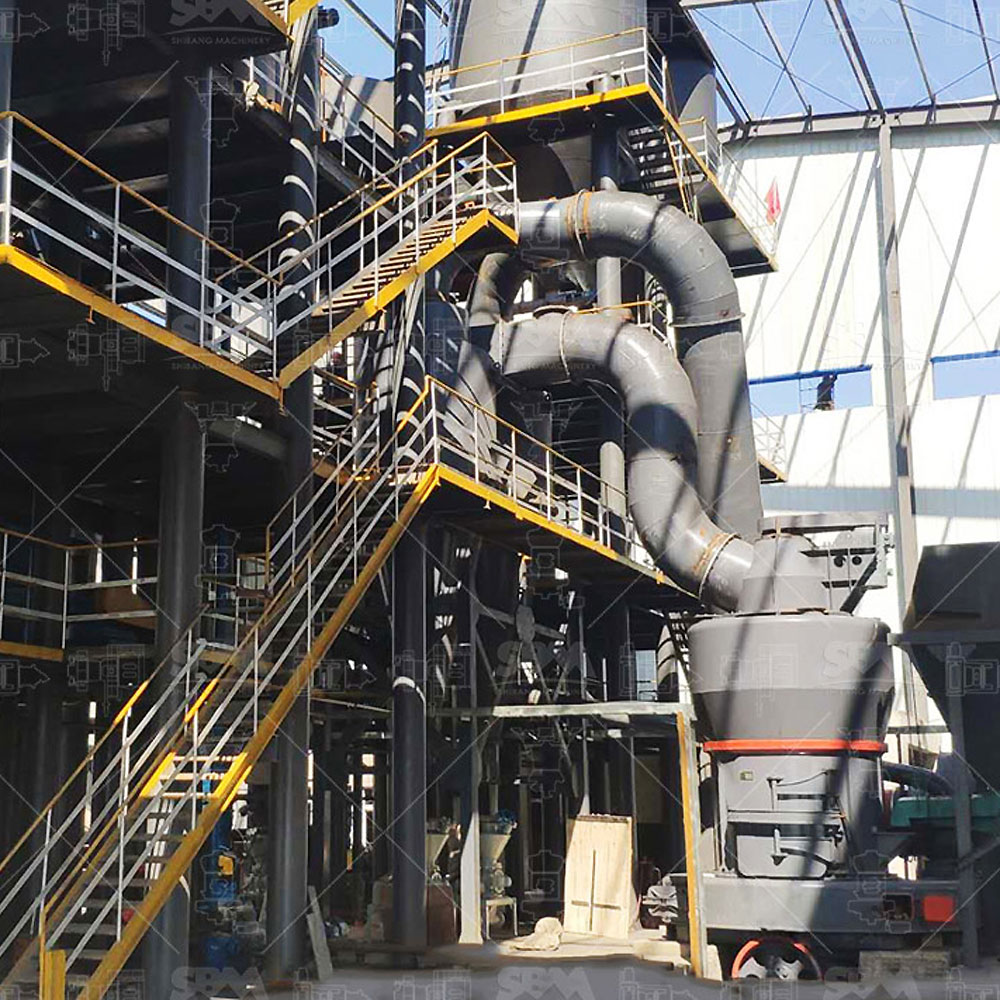
In conclusion, the evolution of the precipitation (sol-gel) carbon black industry is intrinsically linked to advancements in grinding technology. Moving from conventional, high-wear, high-energy systems to intelligent, vertically integrated, and ultrafine grinding solutions allows producers to tackle the core challenges of cost, quality, and sustainability head-on. By selecting equipment that offers high efficiency, precise classification, robust wear protection, and smart automation, carbon black manufacturers can secure a competitive edge, ensuring their products meet the exacting standards of tomorrow's advanced material applications.
Frequently Asked Questions (FAQs)
Q1: Our current grinding system for carbon black results in high metallic contamination from wear parts. How can we improve product purity?
A1: Advanced mills utilize special wear-resistant materials for grinding components (like rollers and rings) and designs that minimize direct abrasive contact. Features like inner lubrication systems and curved shovel blades further reduce wear. This significantly lowers the risk of metallic contamination, ensuring a purer carbon black product.
Q2: Energy consumption from grinding is a major cost driver. Are there solutions to reduce it without sacrificing output?
A2: Yes. Modern vertical roller mills and ultrafine mills are designed for high grinding efficiency. Their mechanical principle often consumes 30-40% less energy than traditional ball mill systems for the same output, offering substantial savings on operational costs while maintaining or even increasing capacity.
Q3: We struggle to achieve a consistent and very fine particle size (e.g., below 10μm). What technology enables precise control?
A3: Achieving consistent ultrafine fineness requires integrated high-efficiency classifiers (like turbine or multi-rotor classifiers) within the mill system. These allow for precise, adjustable particle size cuts during the process, enabling production of carbon black with a tight PSD down to D97≤5μm, directly from the primary mill.
Q4: Dust emission and a noisy plant environment are constant concerns. Can new grinding equipment help?
A4> Absolutely. State-of-the-art mills operate under full negative pressure with multiple sealing points, preventing dust spillover. The entire system is enclosed, and designs incorporate sound insulation and mufflers, dramatically reducing noise levels and ensuring compliance with environmental and workplace safety standards.
Q5: We need more automation to reduce labor costs and stabilize quality. What features should we look for?
A5: Look for mills equipped with PLC/DCS-based automatic control systems. These allow for remote operation and automatic adjustment of grinding pressure, classifier speed, and feed rate. This intelligent control stabilizes product quality, optimizes the process, and reduces the need for constant manual intervention, saving on labor costs.


