

Carbon black production: precipitation (acid)
Published on: October 26, 2023
The production of carbon black via the precipitation (acid) method is a sophisticated industrial process central to numerous applications, from tire manufacturing to advanced plastics. This method hinges on the controlled decomposition of hydrocarbons in a furnace, followed by rapid quenching and the collection of carbon particles. A pivotal, yet often challenging, stage in this workflow is the subsequent processing—specifically, the grinding and micronization of the raw carbon black to achieve the precise particle size distribution, structure, and surface area required for optimal performance in end products. Inefficient grinding can lead to inconsistent quality, high operational costs, excessive energy consumption, and significant environmental dust management challenges. This article explores these critical pain points and examines how modern, tailored grinding technologies from SBM Machinery provide robust, efficient, and sustainable solutions for enhancing carbon black processing lines.
The precipitation process yields carbon black with specific initial characteristics, but its true value is unlocked through fine milling. The primary goal is to de-agglomerate the carbon particles and reduce them to a uniform, often sub-micron, fineness. This step directly influences critical properties like reinforcement capability in rubber, conductivity in batteries, and UV protection in coatings. Traditional grinding methods often struggle with the abrasive nature of carbon black, leading to rapid wear of mill components, contamination from metal abrasion, and uncontrolled heat generation that can alter the carbon's surface chemistry. Furthermore, the fluffy, low-bulk-density nature of carbon black poses challenges in material handling and feeding within the mill system, potentially causing bottlenecks and reducing overall system throughput.
Addressing these challenges requires equipment designed for precision, durability, and intelligent operation. For high-volume production requiring fineness up to 400 mesh, the MTW Series European Trapezium Grinding Mill presents an ideal solution. Its robust construction and innovative features directly tackle common inefficiencies. The unique curved shovel blade design and inner oil absorption lubrication system minimize wear on the roller and grinding ring, which is crucial when processing abrasive materials like carbon black. This translates to longer component life, reduced frequency of maintenance shutdowns, and lower long-term operating costs. The arc air duct design ensures smooth pneumatic transport of the fine powder within the system, enhancing collection efficiency and stability.
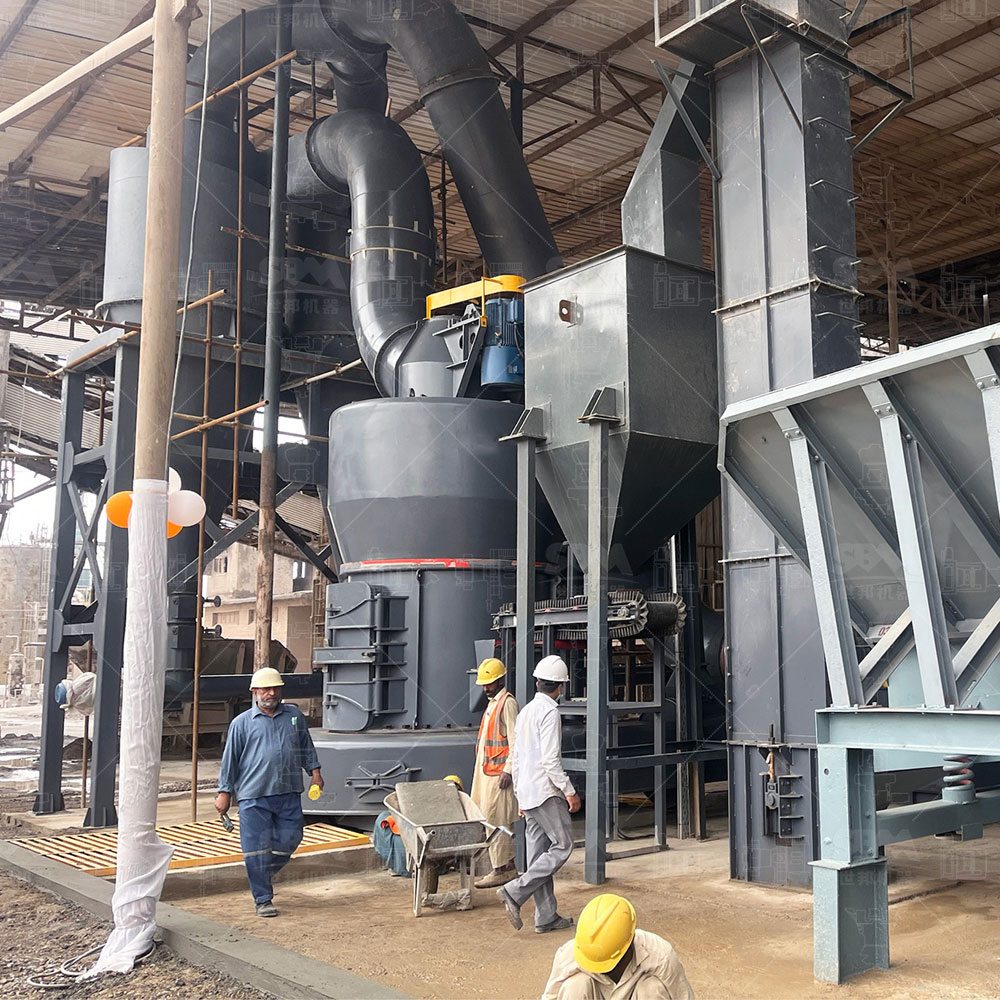
For operations prioritizing exceptional energy efficiency and space savings, especially when integrated drying is beneficial, the LM Vertical Roller Mill stands out. Its integrated design combines crushing, grinding, drying, and separation in a single unit, offering a remarkably compact footprint—approximately 50% smaller than a traditional ball mill system. This is a significant advantage for plant expansion or retrofitting. The grinding principle, where rollers compress material on a rotating table, consumes 30-40% less energy than ball milling systems, making a substantial impact on the carbon black plant's energy budget. The fully sealed system operating under negative pressure is paramount for carbon black processing, as it contains the fine, pervasive black dust, ensuring a clean working environment and preventing product loss.
When the application demands ultra-fine or nano-sized carbon black for specialized uses like high-performance inks, toners, or composite materials, the SCM Ultrafine Mill and LUM Ultrafine Vertical Mill are the technologies of choice. The SCM series is engineered for fineness ranging from 325 to 4000 mesh, achieving a one-time fineness of D97≤5µm. Its high-output, low-energy-consumption design, featuring a heavy-duty rotor and special material rollers, ensures stable processing of delicate materials without excessive heat buildup. The LUM Ultrafine Vertical Mill builds on this with advanced German powder separation technology, allowing for precise, customizable cut points and a high proportion of finished product from the first pass. Both mills feature sophisticated automatic control systems that maintain consistent product quality by intelligently adjusting parameters like grinding pressure and classifier speed, directly addressing the pain point of product consistency.
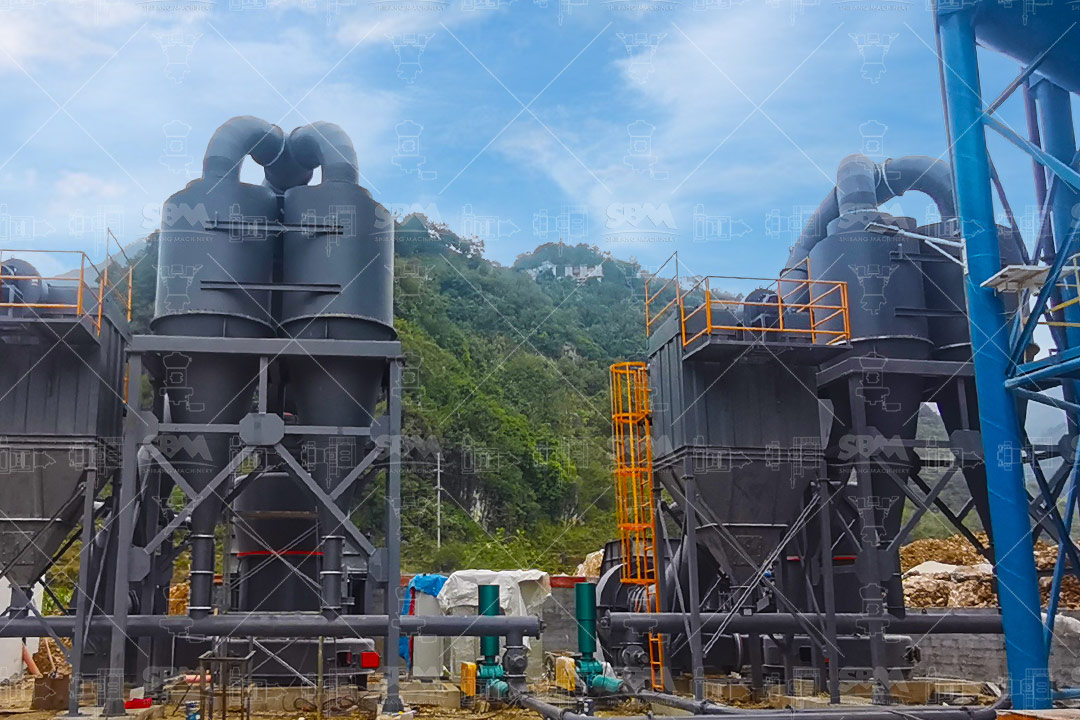
Finally, for certain wet or dry processing routes, the optimized Ball Mill remains a reliable workhorse. SBM's improved ball mills, with enhanced structural designs and wear-resistant materials, mitigate the traditional drawbacks of high wear and energy consumption. They offer a proven, effective solution for applications where specific particle morphology from tumbling action is desired. Across all these solutions, SBM's expertise as a total solution provider ensures that the grinding equipment is not just an isolated machine but a seamlessly integrated component of the entire carbon black production system, from material handling to final bagging, backed by global service support.
In conclusion, the acid precipitation method for carbon black sets the stage, but advanced grinding technology defines the final product's success. By selecting equipment engineered to combat abrasion, optimize energy use, ensure precise particle control, and maintain airtight environmental containment, producers can transform a challenging process into a competitive advantage. The evolution from traditional mills to intelligent, high-efficiency systems marks a new era in carbon black processing, enabling manufacturers to meet stringent quality and sustainability targets reliably.
Frequently Asked Questions (FAQs)
1. What is the biggest challenge in grinding carbon black, and how does your equipment address it?
The extreme abrasiveness of carbon black causes rapid wear in standard mills, leading to high maintenance costs and product contamination. Our mills, like the MTW and LUM series, use special wear-proof materials for rollers/rings, unique shovel blade designs to reduce direct impact, and advanced lubrication systems to significantly extend component life and protect product purity.
2. We struggle with dust leakage and meeting environmental standards. Can your systems help?
Absolutely. Our vertical roller mills (LM, LUM) and ultrafine mills are designed as fully sealed systems that operate under negative pressure. This means air is drawn into the mill, preventing any dust from escaping. Combined with efficient pulse dust collectors, they ensure a clean plant environment and compliance with strict national emission standards.
3. Our current grinding line has low output and high energy consumption. What solutions offer the best efficiency?
For major efficiency gains, we recommend the LM Vertical Roller Mill. Its integrated grinding principle typically reduces energy consumption by 30-40% compared to ball mills, while its compact design increases throughput per floor space. The automatic control system also optimizes power use in real-time based on material feed and desired fineness.
4. We need to produce several different grades of carbon black from fine to ultra-fine. Is one mill capable?
Yes, the SCM Ultrafine Mill and LUM Ultrafine Vertical Mill are specifically designed for this flexibility. Their advanced classifier systems allow easy adjustment of the fineness cut point. You can produce products from 325 mesh up to 4000 mesh (D97≤5µm) on the same machine by adjusting the classifier speed and other parameters via the PLC control panel.
5. How complex is the operation and maintenance of these advanced mills?
Our mills are built for operational simplicity. They feature expert automatic control systems (PLC/DCS) that enable easy local or remote operation, often requiring minimal manual intervention. Maintenance is streamlined through designs like the MTW's combined-type shovel blade (where only the blade tip is replaced) and easily accessible inspection ports, reducing downtime and labor costs.


