

Gcc classifications and uses
Published: October 26, 2023
Ground Calcium Carbonate (GCC) is a cornerstone material across modern industries, from paper and plastics to paints and construction. Its value is intrinsically linked to precise particle size distribution, purity, and production efficiency. This article explores the classifications of GCC based on fineness and application, and details how advanced grinding technologies—specifically SBM Machinery's portfolio of mills—provide tailored solutions to common production challenges. We will examine how selecting the correct grinding system directly impacts product quality, operational cost, and environmental compliance.
GCC is typically classified by its top particle size or fineness, often measured in microns or mesh. Coarse GCC (above 10 microns) is essential in applications like putties, sealants, and asphalt, where it acts as a filler and extender. Medium-fine GCC (between 2-10 microns) finds its primary use in plastics, rubber, and adhesives, improving mechanical properties and surface finish. The premium segment, ultrafine GCC (below 2 microns, often reaching sub-micron levels), is critical for high-gloss paints, specialty papers, and masterbatch production, where it enhances opacity, brightness, and dispersion. The journey from raw limestone to these precise specifications demands grinding equipment capable of exceptional control over particle size distribution, low iron contamination, and energy-efficient operation.
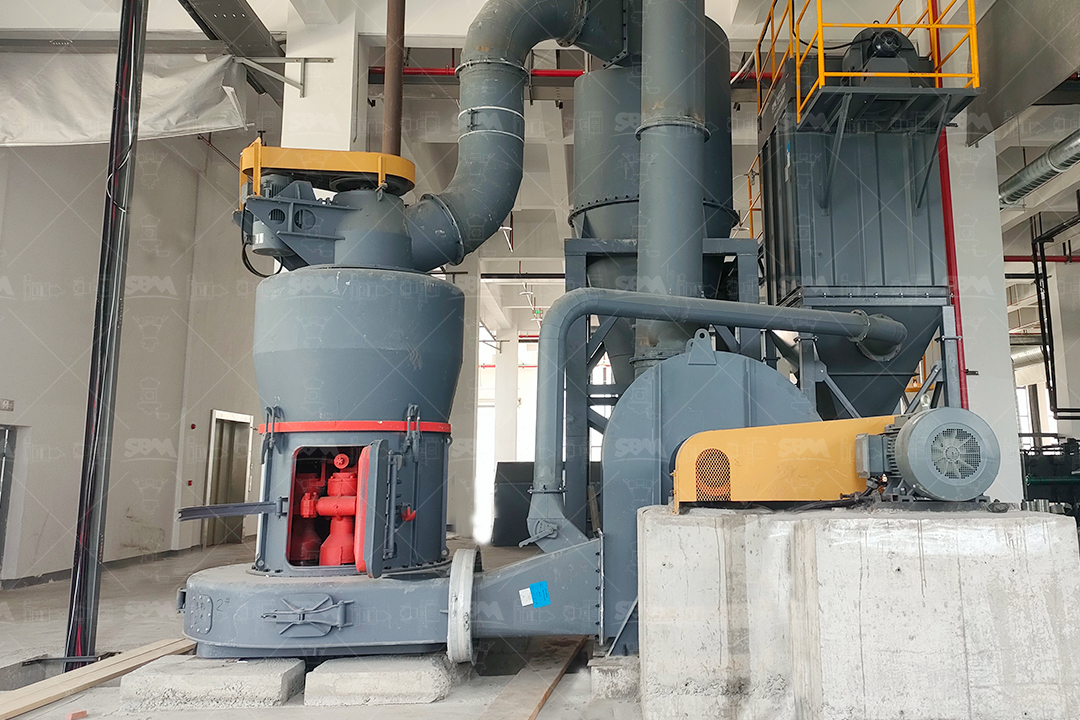
For producing coarse to medium-fine GCC with high capacity and reliability, the MTW Series European Trapezium Grinding Mill stands out. Its evolution from traditional Raymond mill technology incorporates critical advancements that address wear and energy consumption—two significant pain points. The patented curved shovel blade design and inner oil-absorption lubrication system drastically reduce the frequency of wearing parts replacement, directly lowering long-term maintenance costs. The cone gear whole transmission ensures stable, efficient power delivery. This mill is exceptionally suited for large-scale projects like environmental desulfurization limestone powder preparation or heavy calcium carbonate processing where throughputs of 3-40 tph are required, and consistent 30-400 mesh product is the target.
When project scope demands higher capacity for medium-fine GCC, or when integrated drying of slightly moist materials is needed, the LM Vertical Roller Mill presents a compelling solution. Its core advantage lies in system integration: combining crushing, drying, grinding, and classification in a single unit. This leads to a footprint roughly 50% smaller than a traditional ball mill system, significantly reducing civil engineering costs. The grinding principle, where rollers compress material on a rotating table, results in energy savings of 30-40% compared to ball mills. Furthermore, its fully sealed system operating under negative pressure guarantees a dust-free workshop, addressing stringent environmental and worker safety regulations head-on.
The pursuit of ultrafine and nano-grade GCC for high-value applications requires specialized technology. Here, SBM's SCM Series Ultrafine Mill and LUM Ultrafine Vertical Roller Mill take center stage. The SCM mill is engineered for precision, capable of achieving fineness up to 4000 mesh (D97 ≤ 5µm). Its heavy-duty rotor design and efficient turbine classifier ensure stable production of ultra-fine powders with a narrow particle size distribution—a key requirement for premium coatings and polymers. The LUM Vertical Mill, integrating advanced grinding roller and German powder-separation technology, excels in high-capacity ultrafine grinding (10-70 tph). Its intelligent PLC control system automatically adjusts grinding pressure and classifier speed, ensuring consistent product quality despite variations in feed material, a common challenge in fine grinding operations.
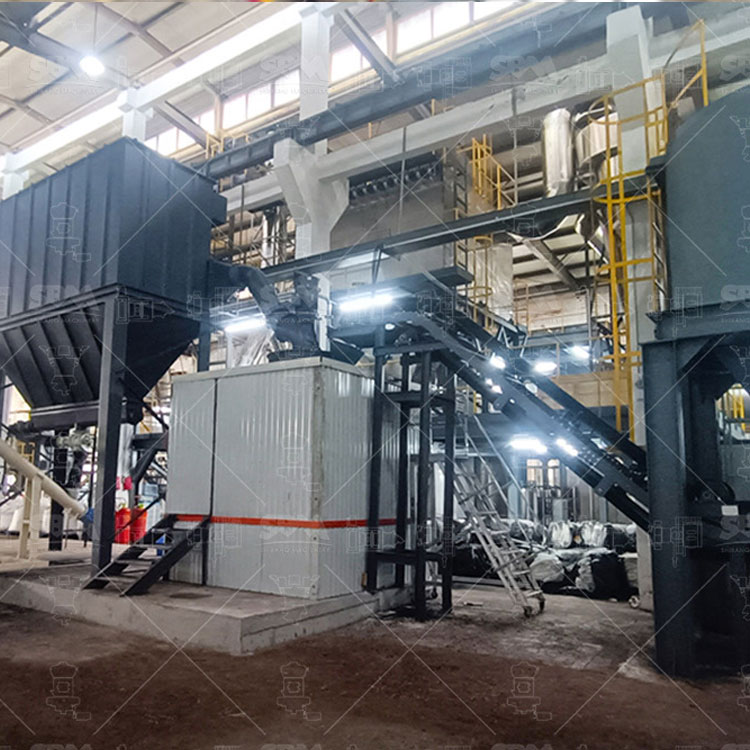
While newer technologies often grab headlines, the Ball Mill remains a robust and optimized solution for specific GCC applications, particularly where cost-effective production of standard fineness is the goal. Modern ball mills, like those from SBM, have been re-engineered with improved linings and grinding media to combat traditional drawbacks of high wear and energy use. They are particularly effective for wet grinding processes, which are sometimes preferred to achieve certain particle shapes or slurry-based final products. The choice between dry and wet ball milling often depends on the downstream application of the GCC.
In conclusion, navigating the classifications and uses of GCC is fundamentally about matching material specifications with the most efficient and reliable grinding technology. From the high-capacity, rugged MTW Mill for desulfurization projects to the precision-engineered LUM Mill for ultrafine masterbatch filler, the selection dictates operational profitability and product competitiveness. SBM Machinery's comprehensive range, backed by global operational experience in over 180 countries, provides a total solution, ensuring that whether the need is for coarse filler or nano-grade powder, there is a system designed to optimize every step of the process.
Frequently Asked Questions (FAQs)
Q1: We struggle with high maintenance costs due to rapid wear of grinding parts. How can your mills address this?
A1: Our mills are specifically designed to minimize wear. The MTW Mill features a unique combined-type shovel blade where only the tip needs replacement, and its curved design reduces impact on rollers. The Vertical Roller Mills (LM & LUM) utilize a grinding principle where rollers and tables do not directly contact, and are made from special alloy materials, extending service life by several times compared to conventional mills.
Q2: Energy consumption is our biggest operational expense. Are there energy-efficient options?
A2: Absolutely. The LM Vertical Roller Mill can reduce energy consumption by 30-40% compared to traditional ball milling systems for similar output. The LUM and SCM ultrafine mills also incorporate high-efficiency classifiers and grinding curves that maximize output per unit of energy, directly lowering your kWh/ton cost.
Q3: We need to produce multiple fineness grades from the same line. Is flexible switching possible?
A3: Yes. Our vertical roller mills (LM, LUM) and ultrafine mills (SCM) feature advanced, adjustable classifier systems. By simply adjusting the classifier speed via the PLC control panel, you can switch between different product finenesses (e.g., from 400 mesh to 2500 mesh) quickly and without stopping production, offering tremendous operational flexibility.
Q4: Dust pollution and noise are major concerns for our plant's environmental compliance. How do your systems perform?
A4: Environmental protection is a core design principle. Our entire range operates under fully sealed, negative-pressure systems, preventing any dust spillage. Integrated pulse dust collectors ensure emissions far exceed national standards. Furthermore, optimized mechanical designs and sound insulation materials keep operational noise at very low levels, creating a safer, cleaner workspace.
Q5: We have limited factory space. Can we install a high-capacity grinding system?
A5: The compact, integrated design of our vertical roller mills is the ideal solution. The LM series, for example, integrates multiple functions into one unit, occupying about 50% of the space required by a conventional ball mill system of similar capacity. It can also be installed outdoors, freeing up valuable indoor space for other processes.


