

Desulfurizer: gcc or pcc?
Published: October 26, 2023
Selecting the optimal grinding equipment for desulfurization sorbent preparation is a critical decision impacting plant efficiency, operational costs, and environmental compliance. The choice between producing Ground Calcium Carbonate (GCC) or Precipitated Calcium Carbonate (PCC) hinges on raw material characteristics, desired fineness, capacity requirements, and total cost of ownership. This article explores the technical considerations for desulfurizer preparation and how SBM Machinery's portfolio of advanced grinding mills—including the MTW European Trapezium Mill, LM Vertical Roller Mill, and Ultrafine Mills—provides tailored, high-performance solutions to overcome common industry challenges, ensuring reliable, efficient, and cost-effective limestone powder production for Flue Gas Desulfurization (FGD) systems.
The heart of any wet limestone-gypsum FGD system is the consistent supply of high-quality limestone slurry. The reactivity and dissolution rate of the limestone are directly influenced by particle size distribution and fineness. Finer particles offer greater surface area, leading to faster reaction with SO₂ and higher desulfurization efficiency. However, achieving this fineness must be balanced against grinding energy consumption, wear part costs, and system reliability. This is where the engineering philosophy behind the grinding equipment becomes paramount.
For large-scale power plants requiring high volumes of GCC within a fineness range of 30-400 mesh, the LM Vertical Roller Mill stands out as a premier solution. Its integrated design—combining drying, grinding, classification, and conveying into a single, compact unit—addresses the core pain points of space constraints and high energy consumption. The grinding principle, where rollers hydraulically press against a rotating table, is inherently more energy-efficient than traditional ball milling, with documented reductions in power consumption of 30-40%. Furthermore, the minimal direct metal-to-metal contact between the roller and liner, both crafted from special wear-resistant materials, translates to dramatically lower wear rates and extended maintenance intervals. For plant managers, this means predictable operating costs and reduced downtime.
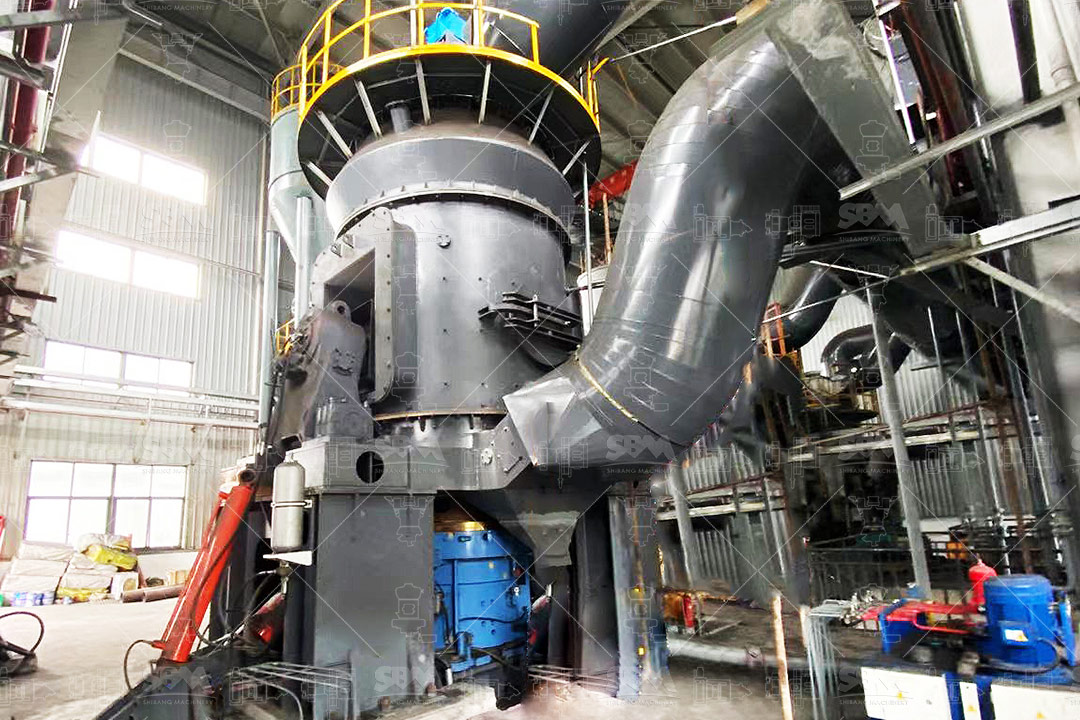
When project specifications call for a robust, highly reliable mill with exceptional availability, the MTW European Trapezium Mill presents a compelling case. Evolved from decades of Raymond mill technology and refined with over 9500 client feedback points, this mill excels in stability and ease of maintenance. Its patented innovations, such as the conical gear whole transmission system, eliminate traditional vulnerable components like the reducer, boosting transmission efficiency and saving significant space. The unique curved shovel blade design and inner oil-absorption lubrication system are engineered specifically to reduce the frequency and cost of wearing part replacements. For operations where unscheduled shutdowns are not an option, the MTW series offers proven, steady-state performance for producing desulfurization-grade limestone powder.
In regions where limestone quality varies or where ultra-high purity and fineness are mandated for advanced FGD processes or PCC production, achieving sub-10-micron particle sizes becomes necessary. Here, SBM's SCM Ultrafine Mill and LUM Ultrafine Vertical Mill enter the frame. These mills push fineness boundaries to 4000 mesh (D97 ≤ 5µm), employing advanced classifier technology to ensure precise particle cut points and no coarse powder spillover. The LUM model, integrating German separation technology, is particularly noteworthy for its high primary grinding yield and intelligent PLC/DCS control system that automatically stabilizes grinding pressure and classifier speed. This level of control guarantees consistent product quality from variable feed material, a common headache for process engineers.
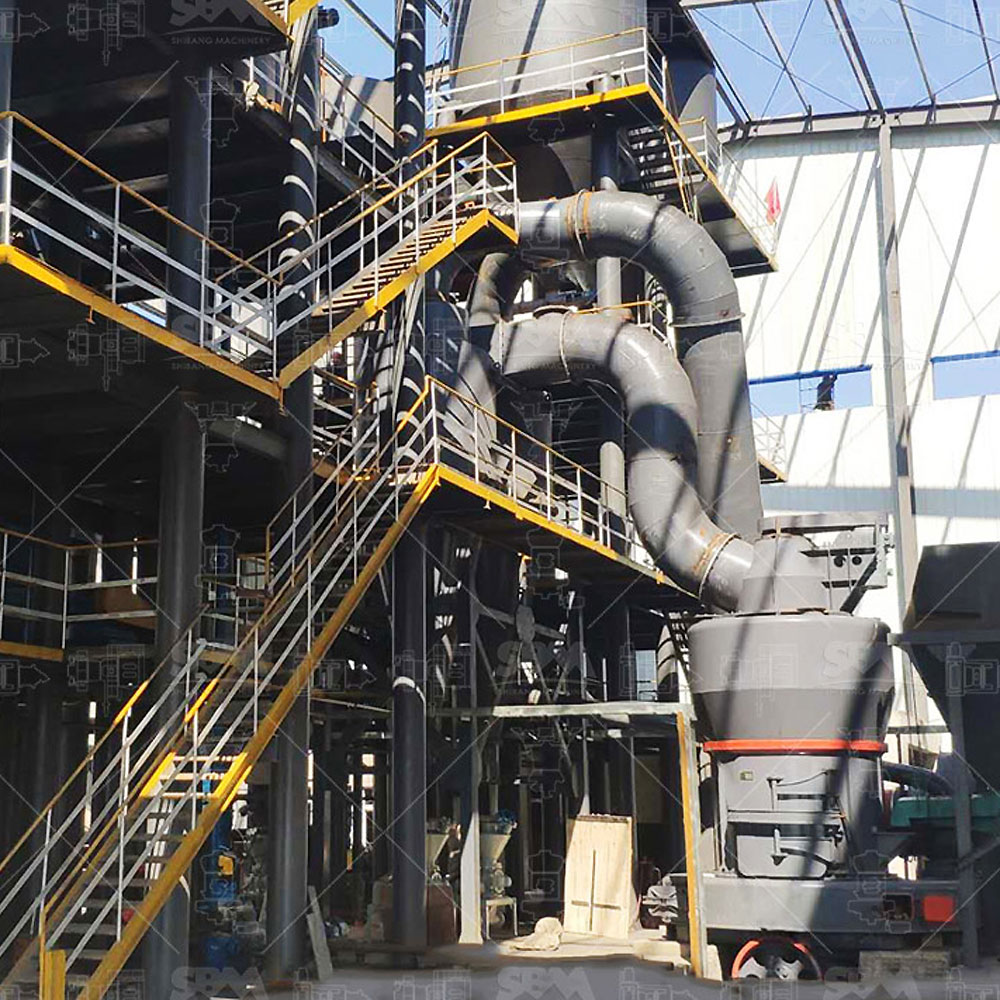
Ultimately, the decision is not merely 'GCC vs. PCC' but about matching the raw material and product specification to the most economically and technically sound grinding process. SBM Machinery's approach is not to offer a one-size-fits-all machine but to provide a total solution. With a presence in over 180 countries and deep expertise across the mineral processing workflow, SBM engineers analyze specific client needs—from feed size and moisture content to required capacity and site constraints—to recommend the optimal mill configuration. This consultative partnership ensures that the chosen equipment, whether for a massive coal-fired power station or a specialized chemical plant, delivers on its promise of lower operating cost, higher availability, and unwavering compliance with environmental standards.
Frequently Asked Questions (FAQs)
- What is the primary factor determining energy consumption in a desulfurizer grinding system?
The dominant factor is the grinding principle itself. Vertical Roller Mills (like the LM series) utilize a bed-compression grinding method, which is significantly more energy-efficient than the impact/friction method of traditional ball mills, often reducing specific energy consumption by 30-40% for the same output fineness. - How can we reduce the high maintenance cost and frequent downtime associated with grinding roller and ring replacement?
Opt for mills designed with wear-life extension as a core feature. Solutions include the MTW Mill's curved shovel blade that changes the material feeding angle to reduce abrasive wear, and the use of special alloy materials for rollers and rings in Vertical and Ultrafine Mills, which can multiply service life several times over standard components. - Our plant has limited space for expansion. Can a new desulfurizer grinding system fit?
Yes. Modern vertical mills (LM, LUM) are specifically designed with a compact, integrated layout. They occupy approximately 50% of the floor space of a traditional ball mill system and can even be installed outdoors, drastically reducing civil engineering costs and spatial footprint. - We struggle with inconsistent limestone quality, leading to fluctuations in final powder fineness. Is there a solution?
Advanced mills equipped with intelligent automatic control systems (like those on the LUM and SCM series) can mitigate this. They use PLC/DCS to constantly monitor and automatically adjust key parameters such as grinding pressure, feed rate, and classifier speed in real-time to maintain a stable, pre-set product fineness despite variations in feed material. - How do we ensure the grinding process meets strict environmental dust emission and noise standards?
Select equipment engineered for environmental protection. Modern SBM mills feature fully sealed systems operating under negative pressure, preventing dust spillage. They are paired with high-efficiency pulse dust collectors. Additionally, optimized mechanical designs, sound insulation rooms, and mufflers ensure operating noise is kept well below regulatory limits.


