

Dust-free mills modernize powder enterprises
Published on: October 26, 2023
The global powder processing industry is undergoing a silent revolution, driven by the relentless pursuit of efficiency, sustainability, and precision. At the heart of this transformation lies advanced grinding technology that not only enhances productivity but fundamentally redefines operational cleanliness and environmental responsibility. For enterprises navigating the challenges of high energy consumption, inconsistent product fineness, and stringent environmental regulations, the adoption of modern, integrated dust-free milling systems is no longer a luxury but a critical imperative for modernization and competitive edge. These next-generation solutions, encompassing everything from high-capacity vertical roller mills to ultrafine grinding systems, offer a holistic approach—turning raw materials into premium powders with unprecedented control, significantly reduced waste, and a minimal environmental footprint, thereby future-proofing operations in an increasingly demanding market.
The traditional image of a powder processing plant—often associated with dust clouds, high noise levels, and significant energy waste—is being systematically dismantled. The core challenge has always been balancing high output with precise particle size distribution while maintaining containment. Modern mills address this triad directly. Take the Vertical Roller Mill (LM series) as a paradigm shift. Its integrated design combines crushing, drying, grinding, and classification in a single, compact unit. Operating under a wholly sealed, negative-pressure system, it virtually eliminates dust spillage. The direct grinding mechanism on the plate, coupled with high-quality wear materials, reduces energy consumption by 30-40% compared to conventional ball milling systems while ensuring stability and low noise. This isn't just an equipment upgrade; it's a systemic simplification that slashes footprint and operational complexity.
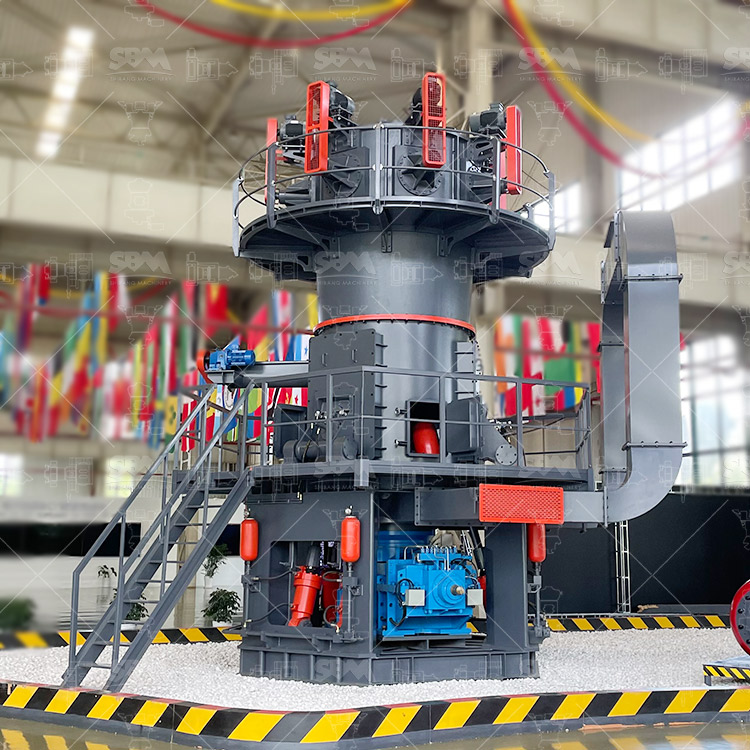
For applications demanding ultra-fine powders, such as in advanced materials, coatings, or high-end plastics, the technological bar is even higher. Here, Ultrafine Mills (SCM Series) and Ultrafine Vertical Mills (LUM Series) come to the fore. These mills achieve fineness up to 4000 mesh (D97 ≤5μm) through advanced principles like efficient vertical turbine classifiers and multi-rotor separation technology. Crucially, they achieve this with high output and lower energy consumption than traditional jet mills. The intelligent control systems allow for precise, stable adjustments to product fineness, while sophisticated double powder collecting methods—combining cyclone and pulse dust collectors—ensure collection efficiency far exceeds international environmental standards. The result is the ability to produce premium, high-value powders in a controlled, clean environment.
Reliability and cost of ownership remain paramount concerns for plant managers. Modern mills are engineered with these pain points in mind. Innovations like the European Trapezium Mill's (MTW Series) cone gear whole transmission and inner oil absorption lubrication system enhance mechanical efficiency and longevity. Its unique curved shovel blade design and wear-proof volute minimize maintenance frequency and the cost of wearing parts. Similarly, the advanced grinding curves in the LUM Ultrafine Vertical Mill promote stable material bed formation, increasing the proportion of finished product from the first pass and improving overall grinding efficiency. These design philosophies translate directly into higher uptime and lower operating costs.
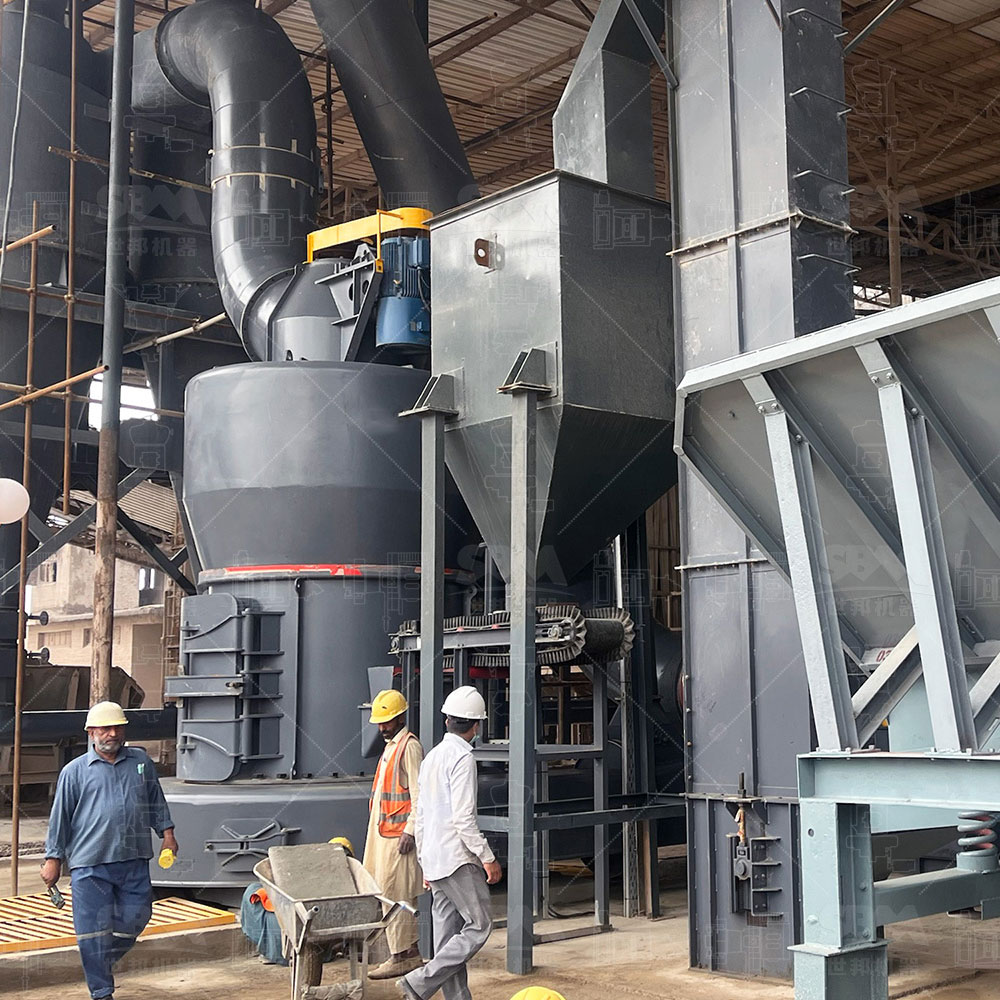
The modernization journey is ultimately about integration and intelligence. Today's advanced milling systems are not standalone machines but central components of a smart production line. Equipped with expert automatic control systems (PLC/DCS), they enable remote operation, real-time monitoring of key parameters like grinding pressure and classifier speed, and free switching between control modes. This level of automation not only saves on labor costs but also ensures consistent product quality and rapid response to process variations. From limestone preparation for environmental desulfurization to processing new energy materials, these dust-free, intelligent systems provide a total solution, having already been deployed in over 180 countries and regions to help powder enterprises step confidently into a cleaner, more efficient, and more profitable future.
Frequently Asked Questions (FAQs)
Q1: Our current milling process generates excessive dust, creating environmental and worker safety concerns. Can modern mills truly operate as "dust-free" systems?
A: Absolutely. Modern mills like the LM Vertical Roller Mill and LUM Ultrafine Vertical Mill are designed as fully sealed systems that operate under negative pressure. This design, combined with high-efficiency pulse dust collectors, ensures that powder and dust are contained within the system, meeting stringent national and international environmental standards and creating a much safer workplace.
Q2: We struggle with high and unpredictable energy costs from our old ball mill system. What level of energy savings can we realistically expect?
A: Significant savings are achievable. Vertical Roller Mills, for instance, can reduce energy consumption by 30% to 40% compared to traditional ball milling systems due to their direct grinding principle and integrated drying function. Ultrafine mills also offer higher efficiency than jet mills, with energy consumption lower by approximately 30%.
Q3: We need to produce powders with very specific and consistent fineness for high-value applications. How precisely can these mills control particle size?
A: Advanced classification technology is key. Mills like the SCM Ultrafine Mill and LUM Ultrafine Vertical Mill feature efficient turbine classifiers or multi-rotor systems that allow precise, adjustable cutting points. Fineness can be steadily controlled from 30 mesh up to 4000 mesh, with one-time finished product achieving D97 ≤5μm, ensuring batch-to-batch consistency.
Q4: Frequent maintenance and high wear part costs are major downtime drivers for us. How do newer mills address equipment durability?
A> Durability is engineered in through several features: the use of special high-quality materials for rollers and rings (lasting several times longer), designs that prevent direct metal-to-metal contact (e.g., in vertical mills), and innovations like the MTW Mill's combined-type shovel blade that requires only partial replacement. These all contribute to longer service life and lower operating costs.
Q5: We are planning a plant upgrade but are worried about space constraints and the complexity of integrating a new system.
A: Modern grinding systems are designed for compactness and ease of integration. A Vertical Roller Mill system, for example, has a footprint about 50% smaller than a equivalent ball mill system due to its integrated functions. Furthermore, with expert automatic control systems and a design that allows outdoor installation, they simplify both layout planning and daily operation.


