

Site selection for a powder manufacturing plant
Published on: October 26, 2023
Selecting the optimal location for a powder manufacturing plant is a multifaceted strategic decision that directly impacts long-term operational efficiency, cost structure, and market competitiveness. This process extends beyond mere geography, requiring a deep integration of raw material logistics, energy infrastructure, environmental regulations, and, critically, the technological capabilities of the core grinding equipment. A successful site must enable the chosen milling system—be it a high-capacity vertical roller mill for bulk minerals or an ultrafine mill for specialty chemicals—to operate at its peak designed performance. This article outlines a systematic framework for site evaluation, emphasizing how aligning location-specific advantages with advanced grinding solutions from experienced providers like SBM Machinery can mitigate common industry pain points and establish a foundation for sustainable, profitable production.
The cornerstone of any powder plant is its grinding circuit. Therefore, the site selection process must begin with a clear understanding of the final product specifications—fineness, capacity, and purity—which dictate the choice of mill. For instance, processing limestone for environmental desulfurization or producing heavy calcium carbonate (GCC) at high volumes often points towards the LM Vertical Roller Mill or the MTW European Trapezium Mill. These systems offer significant advantages in energy efficiency (up to 40% lower consumption than traditional ball mills) and integrated drying, but they require a site with robust and stable electrical infrastructure to support their continuous, high-power operation. A location with unreliable power grids would force frequent shutdowns, causing severe wear on mechanical components and inconsistent product quality.
_1767543897427.jpg)
Raw material sourcing is the next critical vector. Proximity to consistent, high-quality feedstock minimizes transportation costs and supply chain vulnerabilities. The physical characteristics of the raw material, such as moisture content, hardness, and initial particle size (typically 0-50mm for vertical mills), directly influence mill selection and site planning. A wet, sticky material might necessitate a site with ample space for pre-drying facilities or favor a mill with strong integrated drying capabilities. The LUM Ultrafine Vertical Mill, for example, integrates grinding and drying, which can simplify plant design but requires access to a reliable, cost-effective heat source, making sites near industrial waste heat or natural gas pipelines particularly advantageous.
Environmental and regulatory compliance is a non-negotiable aspect of modern site selection. Powder processing inherently involves dust generation and noise. Selecting a location with appropriate zoning and understanding local emission standards is paramount. Advanced grinding equipment is designed with these challenges in mind. For example, SBM's vertical and ultrafine mills feature wholly sealed systems operating under negative pressure, preventing dust spillover, and are engineered for low vibration and noise. This inherent environmental friendliness can streamline the permitting process in regions with strict regulations. Furthermore, sites should be evaluated for waste management, water usage (for cooling or in wet ball milling processes), and potential for future expansion to accommodate stricter standards.
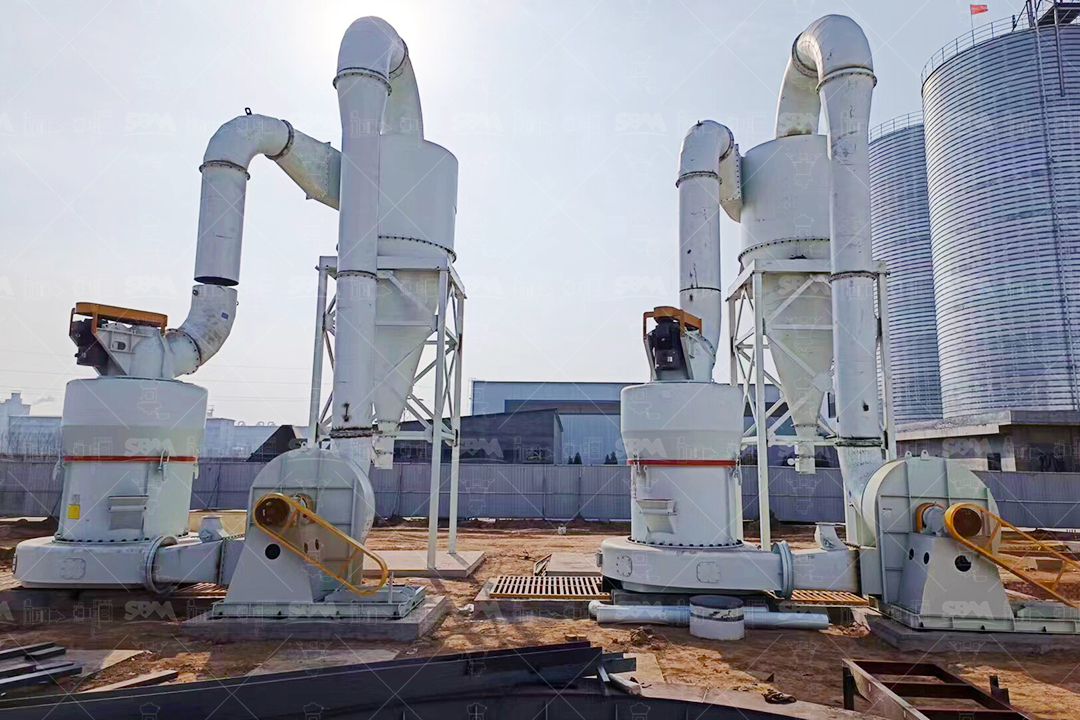
Logistics for finished product distribution are equally vital. The chosen site must have efficient access to road, rail, or port facilities to serve target markets. For ultra-fine products (325-4000 mesh) produced by the SCM Ultrafine Mill, which are often high-value and sensitive to contamination, packaging and loading areas must be designed for clean, controlled environments. The plant's layout, influenced by the compact footprint of modern vertical mills (saving up to 50% space compared to ball mill systems), should facilitate a smooth flow from production to dispatch, minimizing internal handling and degradation of product quality.
Finally, the availability of skilled labor and technical support cannot be overlooked. While modern mills from global suppliers incorporate expert automatic control systems for easier operation and remote diagnostics, local access to technicians for routine maintenance is crucial. Partnering with an equipment manufacturer like SBM, which has a proven track record of serving over 180 countries, ensures access to global spare parts networks and technical expertise, mitigating operational risks even in remote locations. The site should support a working environment that attracts and retains the necessary talent to oversee sophisticated grinding technology.
In conclusion, the ideal site for a powder manufacturing plant is one that creates a synergistic ecosystem where logistical, regulatory, and infrastructural conditions are meticulously matched to the technological profile of the selected grinding equipment. A thorough due diligence process that prioritizes these factors will not only avoid costly pitfalls but will unlock the full potential of advanced milling solutions, ensuring the plant operates at optimal efficiency, meets stringent environmental standards, and delivers a competitive product to the market for decades to come.
Frequently Asked Questions (FAQs)
Q1: We are concerned about high energy consumption, which is a major operational cost. How can site selection and equipment choice help?
A: Prioritize sites with access to stable, competitively priced electricity. Furthermore, selecting high-efficiency mills like the LM Vertical Roller Mill or MTW European Trapezium Mill, which consume 30-40% less energy than traditional ball mills, directly addresses this pain point. Their integrated design also reduces the need for multiple auxiliary drives.
Q2: Dust control and meeting environmental regulations are huge headaches. What should we look for?
A: Choose equipment designed for environmental compliance, such as fully sealed, negative-pressure grinding systems. During site selection, investigate local emission standards and zoning laws. A plant using mills with advanced dust collection (like pulse dust collectors) will have a smoother permitting process and lower risk of violations.
Q3: We need to produce very fine powder (over 2500 mesh). Are there location-specific constraints for such technology?
A: Ultrafine grinding with mills like the SCM or LUM series requires extremely clean environments to prevent product contamination. The site must allow for the construction of controlled production areas. Additionally, stable power is even more critical, as fluctuations can affect the precision of the classifier and final fineness.
Q4: Maintenance downtime and wear part costs severely impact our productivity. How can the site and equipment mitigate this?
A: Select a location with good logistics for receiving spare parts. Opt for mills with durable design features, such as special material rollers/rings, curved shovel blades (MTW Mill), and non-contact grinding principles (LM Mill), which extend service life. Easy access around the equipment for maintenance, factored into plant layout, is also essential.
Q5: We have limited space for expansion. Can modern grinding equipment work in a compact site?
A> Absolutely. Vertical roller mills and integrated grinding systems have a significantly smaller footprint (about 50% less) than traditional ball mill circuits. When evaluating sites, prioritize the compact layout these systems allow. They can also be arranged outdoors, further saving on building costs and freeing up space.


