

Sbm: how to choose quality mills
Published: October 26, 2023
Selecting the right grinding mill is a critical decision that directly impacts your plant's productivity, product quality, and long-term operational costs. The ideal mill must align with your specific material characteristics, target fineness, required capacity, and sustainability goals. This guide, drawing from SBM Machinery's extensive expertise as a total solution provider serving over 180 countries, will navigate the key technical considerations and mill technologies—from advanced vertical roller mills to specialized ultrafine systems—to empower you in making an informed, future-proof investment.
The foundation of a successful selection lies in a thorough analysis of your raw material and process requirements. Key parameters include feed size, moisture content, abrasiveness, and the desired final particle size distribution (PSD). For instance, processing hard, abrasive ores demands a mill with exceptional wear resistance, while handling moist materials may require integrated drying capabilities. Furthermore, defining your target capacity (tph) and fineness (mesh or microns) narrows down suitable mill types. A mill that is underpowered will bottleneck your production line, while an oversized unit leads to unnecessary capital expenditure and inefficient energy use.
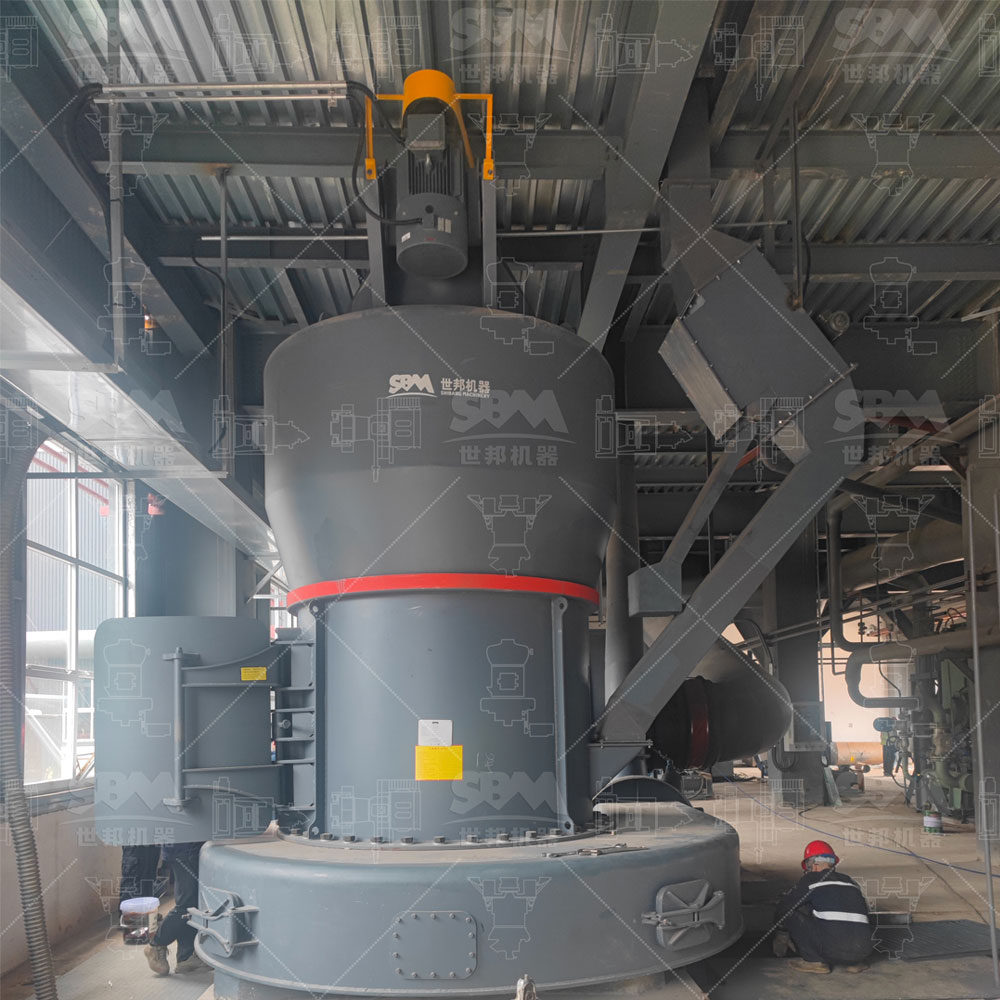
Once core requirements are defined, evaluating different mill technologies is essential. The SBM MTW Series European Trapezium Mill represents a significant evolution of the classic Raymond mill. It incorporates patented technologies like the Cone Gear Whole Transmission for higher mechanical efficiency and an innovative arc air duct design to minimize energy loss. Its combined-type shovel blade is a highlight for operations focused on reducing wear part costs, as only the blade needs replacement, extending the life of rollers and rings. This mill is exceptionally versatile for producing powders in the 30-400 mesh range from materials like limestone for desulfurization or non-metallic minerals.
For projects demanding higher capacity and integrated processing, the SBM LM Vertical Roller Mill (VRM) offers a compelling solution. Its core advantage is system integration—combining crushing, drying, grinding, and classification in a single, compact unit. This can reduce the footprint by approximately 50% compared to traditional ball mill systems. The grinding principle, where rollers press on a rotating table, is inherently more energy-efficient, often reducing power consumption by 30-40%. The non-contact design between rollers and table, coupled with high-quality materials, results in less wear. Its expert automatic control system allows for stable operation and easy remote monitoring, addressing common pain points of inconsistent output and high labor oversight.
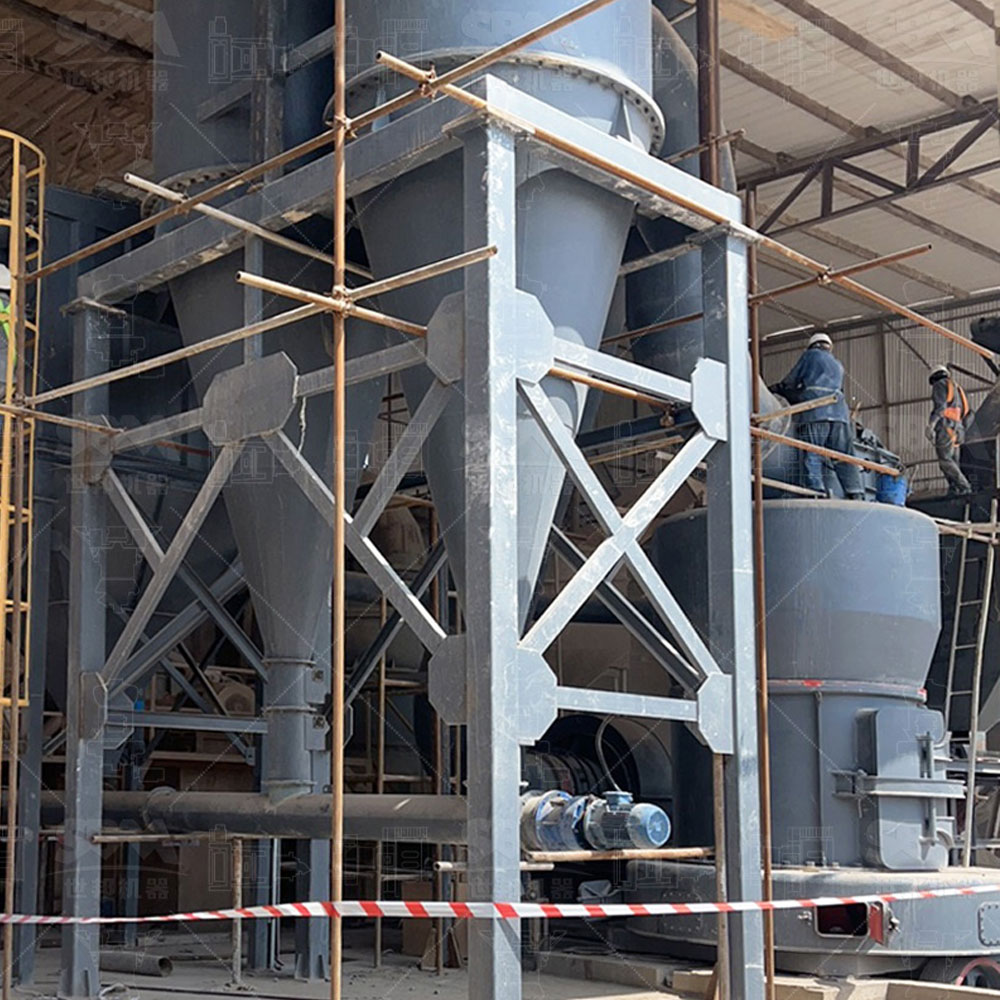
When the application calls for superfine powders, technology choice becomes even more specialized. The SBM SCM Series Ultrafine Mill is engineered for fineness ranging from 325 to 2500 meshes, capable of achieving D97 ≤ 5µm. It employs a heavy rotor design and special material for rollers and rings to withstand the demands of fine grinding, offering durability several times higher than conventional options. Its efficient turbine classifier ensures precise particle cut-off without coarse powder spillover. For the highest-end ultrafine processing in industries like plastics, paints, and advanced materials, the SBM LUM Ultrafine Vertical Mill integrates German powder separation technology. Its unique grinding curve design promotes stable material bed formation, improving primary grinding efficiency and product quality. The multi-rotor classifier allows for highly customizable PSD, ensuring no low-grade material is present in the final product.
Even mature technologies like the Ball Mill have been optimized to address historical shortcomings. Recognizing concerns over high grinding media wear and energy consumption, SBM has refined ball mill designs with improved structural components and advanced materials to lower spare part costs. The availability of both dry and wet process configurations provides flexibility for applications from common powder production to mineral dressing, where wet grinding is often indispensable.
Beyond pure grinding performance, operational and environmental factors are decisive. Modern mills must contribute to a sustainable operation. Key features to prioritize include fully sealed systems operating under negative pressure to eliminate dust spillage, integrated pulse dust collectors that exceed international emission standards, and designs that minimize vibration and noise through optimized sound insulation. An intelligent, automated control system is no longer a luxury but a necessity. It ensures consistent product quality, allows for predictive maintenance, enables remote operation, and directly reduces labor costs by simplifying process control. Ultimately, the quality of a mill is also reflected in the quality of support behind it—from initial system engineering and layout to ongoing technical service and readily available wear parts.
Frequently Asked Questions (FAQs)
Q1: We struggle with high wear part costs and frequent downtime for replacements. Which mill technology is best for abrasive materials?
A: For highly abrasive materials, mills designed with wear-resistant technology are crucial. The SBM MTW European Trapezium Mill features a unique combined-type shovel blade that allows you to replace only the blade segment, not the entire assembly, drastically reducing part cost and downtime. Similarly, the LM Vertical Roller Mill uses high-quality materials for rollers and tables, and its non-direct-contact grinding principle inherently reduces wear rates.
Q2: Our energy costs are skyrocketing. Are there mills specifically designed for higher efficiency?
A: Absolutely. Vertical Roller Mills (VRMs) like the SBM LM series are renowned for their energy efficiency, typically consuming 30-40% less power than traditional ball mill systems for the same output. This is due to their efficient grinding principle and integrated design. The MTW Mill's cone gear transmission and arc air duct also minimize mechanical and air flow energy losses.
Q3: We need to produce very fine powders (below 400 mesh) consistently but face issues with poor yield and unstable PSD.
A: Achieving consistent ultrafine fineness requires specialized equipment. The SCM Ultrafine Mill and LUM Ultrafine Vertical Mill are engineered for this purpose. They feature advanced, high-precision turbine or multi-rotor classifiers that provide accurate particle size cuts, preventing coarse powder contamination. Their stable grinding chambers and intelligent control systems maintain consistent parameters for uniform product quality.
Q4: Our plant space is limited. Can we get a complete grinding system without a large footprint?
A: Yes. Vertical Roller Mills are the ideal solution for space-constrained sites. The SBM LM Mill integrates multiple functions (drying, grinding, separation) into a single, compact unit, with a footprint roughly 50% smaller than an equivalent ball mill circuit. Its vertical arrangement and potential for outdoor installation offer significant layout flexibility.
Q5: We are under pressure to meet strict environmental regulations on dust and noise. What features should we look for?
A: Prioritize mills with fully sealed systems that operate under negative pressure, ensuring no dust escapes during operation. Look for integrated, high-efficiency dust collection systems (e.g., pulse dust collectors). For noise control, seek designs with optimized sound insulation rooms and mufflers, like those incorporated in SBM's ultrafine and vertical mills, which effectively contain equipment noise.


