

Recommended bucket elevator models
Published: October 26, 2023
Selecting the right bucket elevator is a critical decision that directly impacts the efficiency, reliability, and cost-effectiveness of your material handling and grinding system. Based on our extensive experience serving over 180 countries and regions, SBM Machinery recommends integrated solutions where the bucket elevator is perfectly matched with the grinding mill's output characteristics. The optimal choice depends on your specific material properties, required throughput, and the fineness of the final product. This guide outlines recommended pairings of our core grinding technologies with suitable elevator configurations to address common operational challenges and maximize your plant's productivity.
For systems centered on our MTW Series European Trapezium Grinding Mill, we recommend heavy-duty, high-capacity bucket elevators. The MTW mill, with its robust cone gear transmission and arc air duct design, offers stable output ranging from 3 to 40 TPH of material sized between 30-400 mesh. The elevator paired with this system must handle this consistent, moderate-volume flow reliably. A key consideration is the mill's efficient, low-wear operation, which reduces the risk of oversized or irregular particles that can jam lesser elevators. The recommended elevator model should feature reinforced chains and buckets to handle the abrasive nature of processed minerals like limestone for desulfurization or slag, ensuring seamless transfer to the next processing stage or to storage silos.
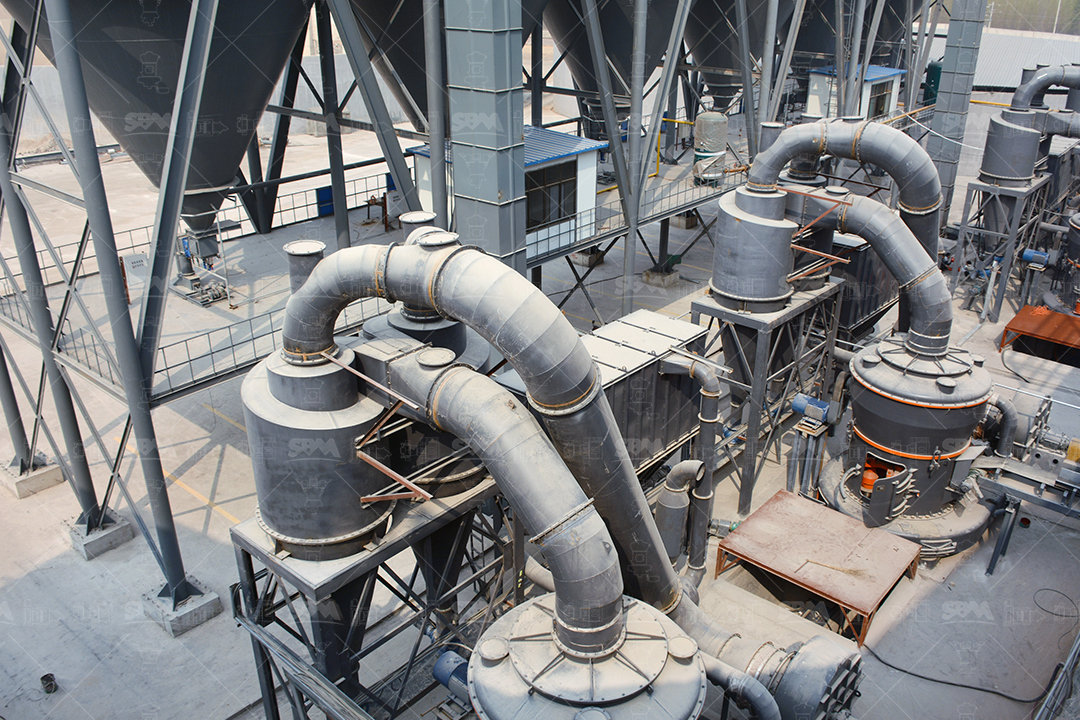
When designing a system around our LM Vertical Roller Mill, the bucket elevator selection must account for its significantly higher capacity range (up to 400 TPH) and integrated drying function. This mill's compact, space-saving design often means the material discharge point is optimized for vertical lifting. The elevator must be capable of handling potentially hot and dry materials directly from the mill's efficient grinding process. We recommend elevators with advanced sealing technology to prevent dust spillage, aligning with the LM mill's high environmental protection standard of operating under negative pressure. Their synergy is crucial in industries like cement and coal powder preparation, where large-volume, continuous handling is non-negotiable.
For ultra-fine powder production using the SCM Series Ultrafine Mill or the LUM Ultrafine Vertical Mill, the elevator requirements shift dramatically. Here, the product fineness can reach 2500 to 4000 mesh. Standard elevators risk causing particle agglomeration or segregation. Our recommended solution involves elevators with specially designed, smooth, and non-stick bucket surfaces, often with a fully enclosed, dust-tight design that matches the ultra-fine mill's exceptional environmental controls. The handling system must preserve the pristine quality and precise particle size distribution achieved by the mill's advanced classifier. This is paramount in high-value sectors like new energy materials, fine chemicals, and high-grade fillers.
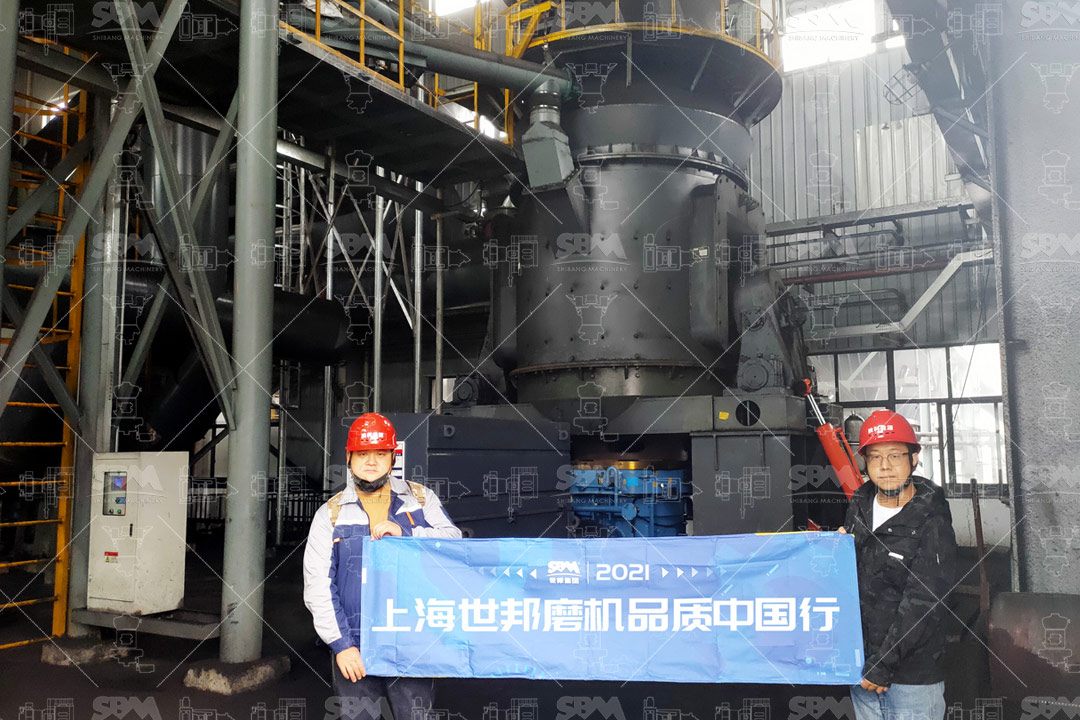
Finally, for traditional yet optimized circuits using our Ball Mill for wet or dry grinding, the bucket elevator must be rugged and versatile. Ball mills produce a consistent output within a coarser range (0.2-0.074mm), often involving slurries in wet processes. The recommended elevator models for dry output feature easy maintenance access and wear-resistant components to handle the constant load. For wet processes, the preceding dewatering stage must be carefully integrated with the elevator system. The reliability of the elevator is key to maintaining the continuous feed required for optimal ball mill operation in mineral dressing applications.
In conclusion, there is no one-size-fits-all bucket elevator. The most reliable and efficient system is achieved through holistic engineering, where the elevator is selected as an integral component of the grinding circuit. SBM Machinery's strength lies in providing this total solution—designing the material handling flow to complement the performance advantages of each grinding mill, thereby ensuring operational continuity, protecting your product quality, and minimizing long-term maintenance costs.
Frequently Asked Questions (FAQs)
Q1: Our current bucket elevator frequently experiences jamming and chain breakage when handling abrasive materials like slag or quartz. What is the root cause and your recommended solution?
A: This is often caused by a mismatch between the elevator's wear resistance and the material's abrasiveness. Our recommended pairings use elevators with reinforced, hard-faced buckets and specially treated chains designed for high-abrasion duty. Furthermore, ensuring the preceding grinding mill (like our MTW or LM series) produces a consistent particle size reduces the risk of oversized fragments that cause jams.
Q2: We produce ultra-fine calcium carbonate, but we notice contamination and agglomeration during vertical transport. How can this be prevented?
A: Contamination and agglomeration are critical issues in fine-powder handling. For use with our SCM or LUM ultrafine mills, we specify elevators with polished, stainless-steel or specialized coated buckets to prevent material sticking and cross-contamination. The entire system is designed to be airtight, maintaining negative pressure to prevent moisture ingress and particle fluffing.
Q3: Dust spillage from our elevator is a major housekeeping and environmental concern. Do your systems address this?
A: Absolutely. Environmental protection is a core design principle. Our recommended elevators, especially for fine powders, feature multiple sealing points, dust-proof bearings, and are engineered to integrate seamlessly with our grinding mills' negative-pressure operation. This holistic approach ensures no dust spillage, meeting stringent international environmental standards.
Q4: We need to upgrade our grinding line for higher capacity. Can our existing bucket elevator be retained, or must it be replaced?
A: This requires a detailed assessment. While our LM Vertical Mill, for example, can dramatically increase output, the existing elevator may become a bottleneck. Our solution analysis always includes the entire material flow. We will evaluate if your elevator can be upgraded (e.g., with faster chain speed, larger buckets) or if a new, higher-capacity model is necessary for a balanced and efficient system.
Q5: Maintenance downtime for elevator overhauls disrupts our entire production. How do your recommended models improve reliability?
A: We prioritize equipment with features that extend service intervals and simplify maintenance. This includes elevators with easily accessible inspection panels, modular components for quick replacement, and advanced condition monitoring options. By matching the elevator's durability to the low-maintenance design of our grinding mills (like their unique wear-proof parts), we aim to synchronize maintenance schedules and maximize overall plant uptime.


