

Slag recycling equipment saves energy
Published on: October 26, 2023
The efficient recycling of industrial slag, a byproduct of metallurgical and combustion processes, presents a significant opportunity for resource conservation and energy savings. Modern grinding technology has evolved to transform this challenging waste material into valuable micro-powders for applications in cement, construction, and chemical industries, all while dramatically reducing the energy footprint of the processing operation. This article explores how advanced milling solutions, such as those developed by SBM Machinery, enable high-yield slag valorization with superior energy efficiency, operational stability, and environmental compliance, turning an industrial liability into a sustainable asset.
The traditional approach to slag processing often involved energy-intensive and less efficient equipment, leading to high operational costs and suboptimal product quality. The core challenge lies in slag's abrasive nature and variable composition, which demand robust and intelligent grinding systems. Modern vertical roller mills and advanced trapezium mills are engineered specifically to address these pain points. By integrating processes like drying, grinding, and classification into a single, compact unit, these systems eliminate multiple energy transfer points and reduce overall system power consumption by 30% to 40% compared to conventional ball milling circuits.
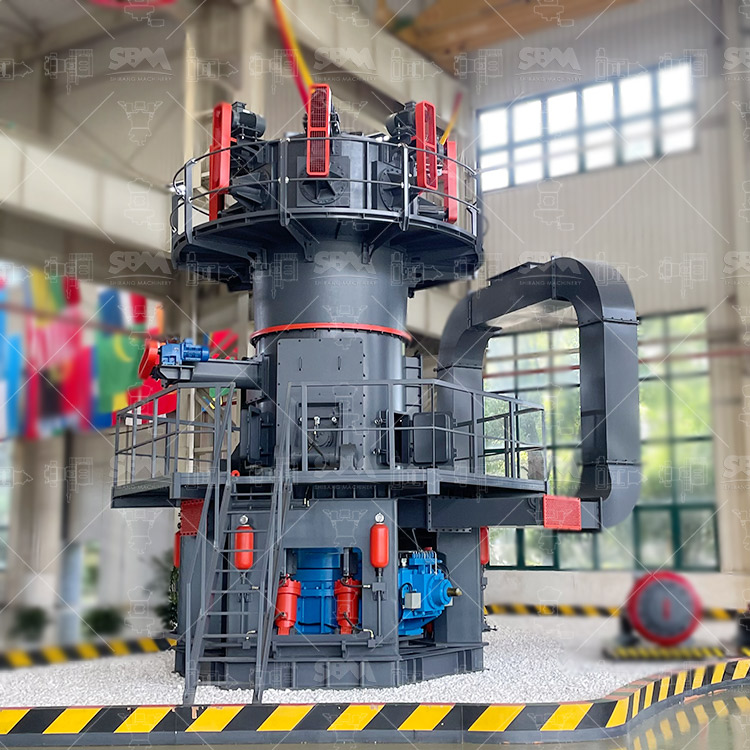
Key to this energy saving is the fundamental grinding principle. For instance, in a Vertical Roller Mill, material is ground directly on the rotating table by hydraulically loaded rollers. This direct application of force is far more efficient than the tumbling and impact action of a traditional ball mill. The integration of an intelligent automatic control system further optimizes energy use by dynamically adjusting parameters like grinding pressure and classifier speed in real-time, ensuring the mill operates always at its peak efficiency point for the given feed material.
Beyond the grinding mechanism itself, auxiliary system design plays a crucial role. Innovations such as the arc air duct in the MTW European Trapezium Mill minimize pneumatic resistance and air energy loss during powder transportation inside the mill. The cone gear whole transmission system enhances mechanical drive efficiency while saving space. These cumulative design refinements contribute significantly to lowering the overall kWh per ton of finished slag powder, a direct metric of energy saving.
Furthermore, energy efficiency is intrinsically linked to equipment durability and maintenance costs—a major client concern. Slag's abrasiveness traditionally led to rapid wear of grinding parts, frequent downtime, and high spare part costs. Advanced mills counter this with specialized material science and design. Features like unique wear-proof shovel blades, high-quality roller and ring materials, and optimized grinding curves extend service life by several times. This not only reduces direct maintenance costs but also minimizes the energy and resource expenditure associated with frequent part replacement and production halts.
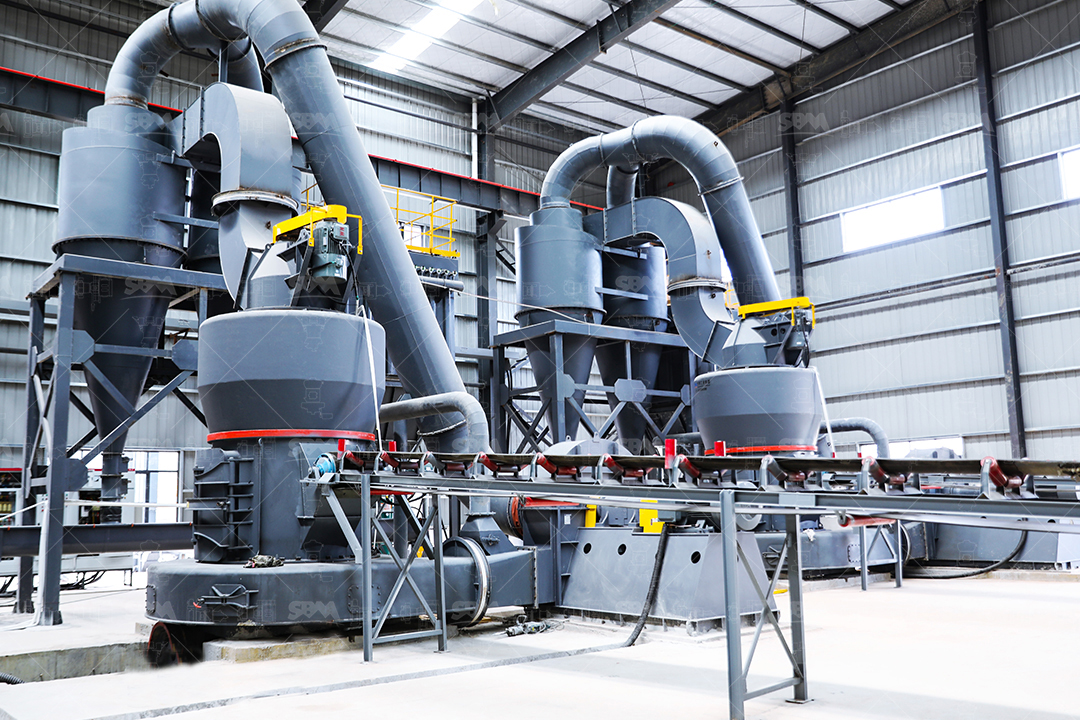
Environmental compliance is another area where modern slag recycling equipment delivers indirect energy savings. Fully sealed systems operating under negative pressure prevent dust spillage, eliminating the energy burden of additional external dust collection. Moreover, the production of high-quality slag micro-powder directly contributes to sustainable practices in downstream industries. For example, using this powder as a supplementary cementitious material (SCM) in concrete reduces the need for clinker production, one of the most energy- and carbon-intensive industrial processes globally. Thus, the energy savings achieved at the grinding stage are amplified across the value chain.
For ultra-fine slag powder applications, technologies like the SCM Ultrafine Mill and LUM Ultrafine Vertical Mill offer precise particle size control down to a few microns with remarkable energy efficiency. Their high-efficiency turbine classifiers ensure accurate particle separation, preventing over-grinding—a common source of energy waste. The ability to produce a consistent, high-value product from waste slag in a single pass maximizes both economic return and resource efficiency.
In conclusion, the journey towards sustainable industrial production is paved with innovations in material recycling. Contemporary slag grinding equipment stands as a testament to this, offering a powerful synergy of energy conservation, operational reliability, and product quality. By adopting these advanced systems, industries can effectively close the loop on waste, reduce their carbon footprint, and unlock new value streams, all while achieving substantial long-term savings on energy and maintenance.
Frequently Asked Questions (FAQs)
Q1: Our current ball mill for slag processing has extremely high energy consumption and wear part costs. What is the most significant energy-saving advantage of your vertical roller mills?
A1: Our Vertical Roller Mills integrate crushing, drying, grinding, and classification, reducing system energy consumption by 30-40% compared to traditional ball mill systems. The direct grinding principle and intelligent control system dynamically minimize kWh per ton.
Q2: We are concerned about downtime and maintenance costs due to slag abrasiveness. How does your equipment address wear and tear?
A2: Our mills feature components made from special, high-durability materials and designs like curved shovel blades and optimized grinding curves. This extends the service life of wear parts significantly, reducing replacement frequency, maintenance downtime, and associated costs.
Q3: We need to produce very fine slag powder (over 1000 mesh) but are worried about high energy costs and unstable quality. Is this possible efficiently?
A3: Yes. Our Ultrafine Vertical Mill (LUM Series) and SCM Ultrafine Mill are designed for this. They employ advanced multi-rotor classifiers and efficient grinding chambers to achieve fineness up to 4000 mesh with high output and lower energy consumption than jet mills, while ensuring stable product quality through PLC control.
Q4: Dust emission and noise are constant problems in our grinding plant. How does your equipment ensure environmental compliance?
A4: Our systems are fully sealed and operate under negative pressure, preventing dust spillage entirely. Additionally, optimized sound insulation and muffler designs keep noise levels low. The emission consistently meets stringent international environmental standards.
Q5: We have limited plant space. Can these advanced slag grinding systems fit into an existing layout?
A5: Absolutely. A key advantage of our Vertical Roller Mill and integrated systems is their compact design. They occupy about 50% of the floor space of a traditional ball mill system and can even be arranged outdoors, greatly reducing civil engineering costs and simplifying integration into existing sites.


