

Main methods to reduce mill failures
Published on: October 26, 2023
Mill failures are a primary source of unplanned downtime, costly repairs, and production losses in mineral processing and powder industries. Proactive strategies focusing on equipment selection, preventive maintenance, and operational optimization are essential for maximizing uptime and return on investment. This article explores core methodologies to mitigate failure risks, drawing on proven engineering principles and advanced mill technologies that enhance reliability, reduce wear, and ensure consistent output quality.
At the heart of failure reduction is selecting the right mill for the application. A mismatch between machine capability and material characteristics is a frequent root cause of premature wear, overheating, and breakdowns. For instance, processing highly abrasive materials requires robust wear-resistant designs. Our MTW Series European Trapezium Grinding Mill addresses this with a unique combined-type shovel blade. This design allows for the replacement of only the worn blade segment, drastically reducing maintenance time and spare parts costs compared to replacing entire assemblies. The curved shovel blade geometry also optimizes the feeding angle, reducing direct impact and extending the service life of critical components like grinding rollers and rings.
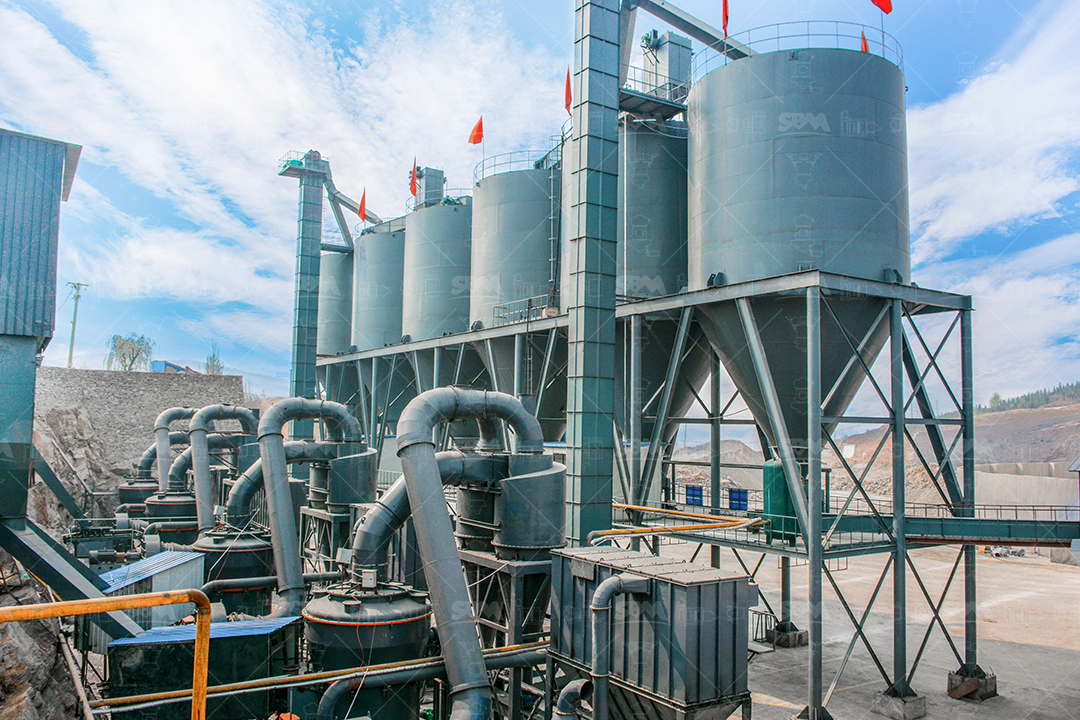
Operational practices significantly influence mill longevity. Consistent feed rate and size are critical; fluctuations can cause vibration, overload motors, and lead to uneven roller and liner wear. Implementing automated control systems, such as those integrated into our LUM Ultrafine Vertical Mill and LM Vertical Roller Mill, provides a powerful solution. These systems use PLC/DCS technology to maintain optimal grinding pressure, classifier speed, and feed rates automatically. This intelligent control stabilizes the grinding bed, prevents overloading, and ensures the mill operates within its designed parameters, directly reducing mechanical and thermal stress on components.
Lubrication and sealing are often overlooked yet vital areas. Contaminated lubricant or inadequate lubrication intervals are direct paths to bearing and gearbox failures. Modern mills incorporate advanced systems to mitigate these risks. The MTW Mill's inner oil absorption lubrication system and the cone gear whole transmission ensure precise, clean, and efficient lubrication to all moving parts, minimizing friction and heat generation. Similarly, comprehensive sealing is crucial for preventing dust ingress into bearings and gearboxes. Our vertical roller mills and ultrafine mills operate under negative pressure with fully sealed systems, which not only contains dust for environmental compliance but also protects internal mechanisms from abrasive particulate contamination.
Predictive and preventive maintenance, enabled by modern mill design, is the most effective strategy to transition from reactive repairs to planned interventions. Key to this is monitoring vibration, temperature, and pressure. Abnormal vibrations often indicate misalignment, imbalance, or roller/liner wear. Mills like the SCM Ultrafine Mill are designed with a heavy rotor and undergo tight balance testing, ensuring stable, low-vibration operation from the start, making any deviation a clear signal for inspection. Furthermore, the modular design of wear parts, such as the easily replaceable rollers and classifier blades in our vertical mills, allows for scheduled replacements during planned shutdowns, avoiding catastrophic failures.
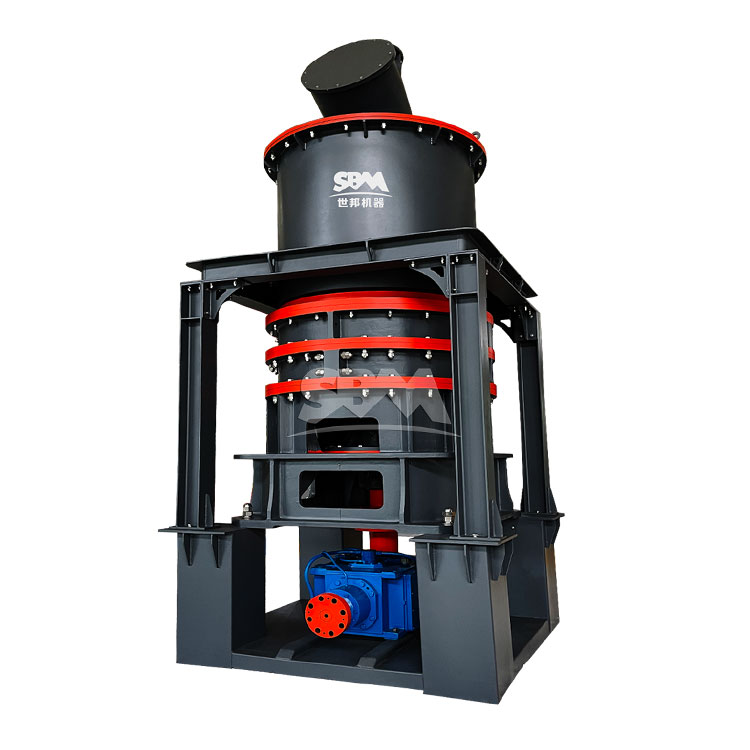
Finally, energy efficiency and reliability are intrinsically linked. An energy-optimized mill typically runs cooler and under less mechanical strain. The LM Vertical Roller Mill exemplifies this principle. Its design integrates drying, grinding, and separation, reducing the number of auxiliary equipment and potential failure points. More importantly, its grinding principle—where rollers press on a material bed on a rotating table—consumes 30-40% less energy than traditional ball mill systems. Lower energy consumption translates directly to reduced thermal load on motors and gearboxes, enhancing their operational life. The compact system layout also minimizes lengthy conveying systems, which are common sites for blockages and maintenance issues.
In conclusion, reducing mill failures is not about a single fix but a holistic approach combining intelligent equipment design, precise process control, rigorous maintenance protocols, and a focus on systemic efficiency. By investing in mills engineered with these principles—featuring advanced transmission systems, automated controls, superior sealing, and modular wear parts—operators can build a foundation for unprecedented operational stability, lower total cost of ownership, and sustained production capacity.
Frequently Asked Questions (FAQs)
Q1: Our main pain point is the extremely high frequency of wearing part replacement in our grinding mill, which leads to constant downtime and high spare part costs. How can this be addressed?
A1: This is a common issue often caused by unsuitable material for the application or inefficient mill design. Solutions include selecting mills with specialized wear-resistant materials for rollers/rings (like in our SCM Ultrafine Mill) and designs that reduce direct impact, such as the curved shovel blade in the MTW Mill, which prolongs component life and allows for partial, cheaper replacements.
Q2: We experience unstable product fineness and output, which we suspect is due to inconsistent mill operation. How can we achieve more stable performance?
A2: Fluctuations are frequently due to manual control of key parameters. Implementing an expert automatic control system, as found in our LM and LUM mills, is key. It continuously adjusts grinding pressure, classifier speed, and feed rate to maintain a stable material bed and consistent product fineness, regardless of minor feedstock variations.
Q3: Dust leakage from our current mill is a major environmental and housekeeping problem. Are there mills designed to contain dust effectively?
A3: Absolutely. Modern mills are designed with full-system sealing to operate under negative internal pressure. Our vertical roller mills and ultrafine mills feature this as a standard, ensuring no dust spillage. This is complemented by efficient bag filter or pulse dust collection systems that meet stringent national emission standards.
Q4: The energy consumption of our grinding circuit is unsustainable. Can newer mill technology genuinely deliver significant energy savings?
A4: Yes, technological advancements have made dramatic savings possible. For example, LM Vertical Roller Mills can reduce specific energy consumption by 30-40% compared to traditional ball mill systems due to their efficient grinding mechanism and integrated design that eliminates energy losses associated with separate drying and conveying equipment.
Q5: We need to produce very fine powders (over 2500 mesh), but our current equipment cannot achieve this consistently without frequent blockages and failures. Is reliable ultrafine grinding possible?
A5: Reliable ultrafine grinding requires specialized equipment. Mills like the SCM Ultrafine Mill and LUM Ultrafine Vertical Mill are engineered for this purpose. They incorporate advanced multi-rotor classifiers for precise particle separation, special chamber designs to prevent vibration, and stable grinding curves to handle fine materials efficiently without the blockages common in older designs.


