

Investment cost for a powder plant
Published on: October 26, 2023
Establishing a powder processing plant is a significant capital undertaking where the initial investment cost is just one part of a complex financial equation. True cost-effectiveness is measured over the entire lifecycle of the operation, encompassing not only the purchase price of equipment but also long-term operational expenses, maintenance overheads, energy consumption, and final product quality. For investors and plant managers, the core challenge lies in selecting technology that minimizes total cost of ownership while maximizing uptime, efficiency, and adaptability to market demands. This article delves into the critical factors influencing investment decisions, highlighting how advanced grinding solutions from SBM Machinery—such as the MTW European Trapezium Mill, LM Vertical Roller Mill, and LUM Ultrafine Vertical Mill—are engineered to address common industry pain points by optimizing space, energy use, and system longevity to deliver superior return on investment.
The foundational decision in any powder plant project is the selection of the core grinding system. This choice dictates not only the upfront capital outlay but also the plant's footprint, energy profile, and operational flexibility for years to come. A common pitfall is focusing solely on the lowest initial quote for machinery, which can lead to prohibitively high operating costs, frequent downtime for maintenance, and an inability to meet evolving fineness or capacity requirements. A strategic investment prioritizes technology designed for holistic efficiency.
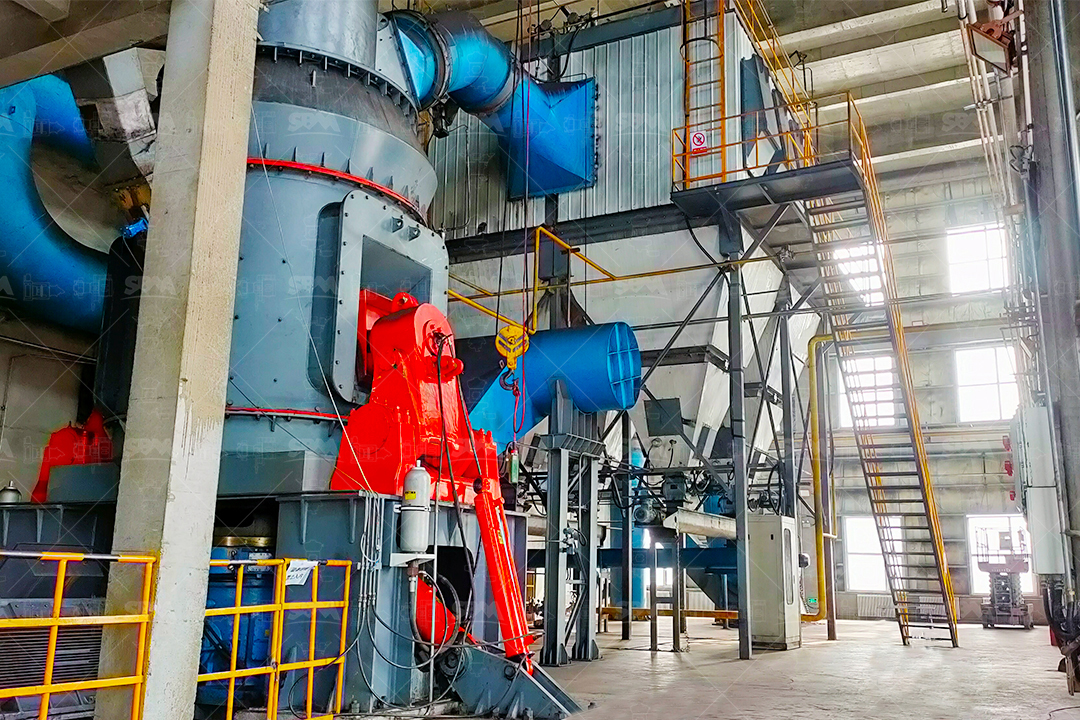 For instance, traditional ball mill systems, while mature, often occupy substantial space and consume high levels of energy. In contrast, modern vertical roller mills integrate multiple functions—crushing, drying, grinding, and separation—into a single, compact unit. This integrated design can reduce the plant's floor space requirement by up to 50% compared to a conventional ball-milling circuit, directly lowering civil construction costs. The ability to install such equipment outdoors further reduces infrastructure investment. The LM Vertical Roller Mill exemplifies this approach, offering a system that simplifies layout and slashes comprehensive investment costs from the ground up.
Beyond the initial setup, operating costs represent the most substantial financial drain over a plant's lifetime. Key variables here include energy consumption, wear part longevity, and labor requirements. Energy is typically the largest single expense. Advanced mills address this directly; the LM Vertical Roller Mill's grinding principle can reduce energy consumption by 30-40% compared to traditional ball mills. Similarly, the MTW European Trapezium Mill incorporates a cone gear whole transmission system for higher mechanical efficiency, while its unique curved shovel blade design prolongs the service life of critical wear parts like rollers and rings, minimizing both replacement part costs and production stoppages.
Product quality and process flexibility are intangible assets that significantly impact profitability. The ability to consistently produce powder within a tight fineness range (e.g., D97 ≤5μm) or to easily switch between different product specifications opens doors to higher-value markets. This is where ultrafine grinding technology becomes critical. The SCM Ultrafine Mill and LUM Ultrafine Vertical Mill offer precise fineness control from 325 to over 2500 mesh. The LUM model, integrating advanced German powder-separating technology, ensures no low-grade material contaminates the final product, maximizing yield and value. An intelligent, automated control system allows for stable operation and easy adjustment of key parameters, ensuring consistent quality with minimal skilled labor intervention.
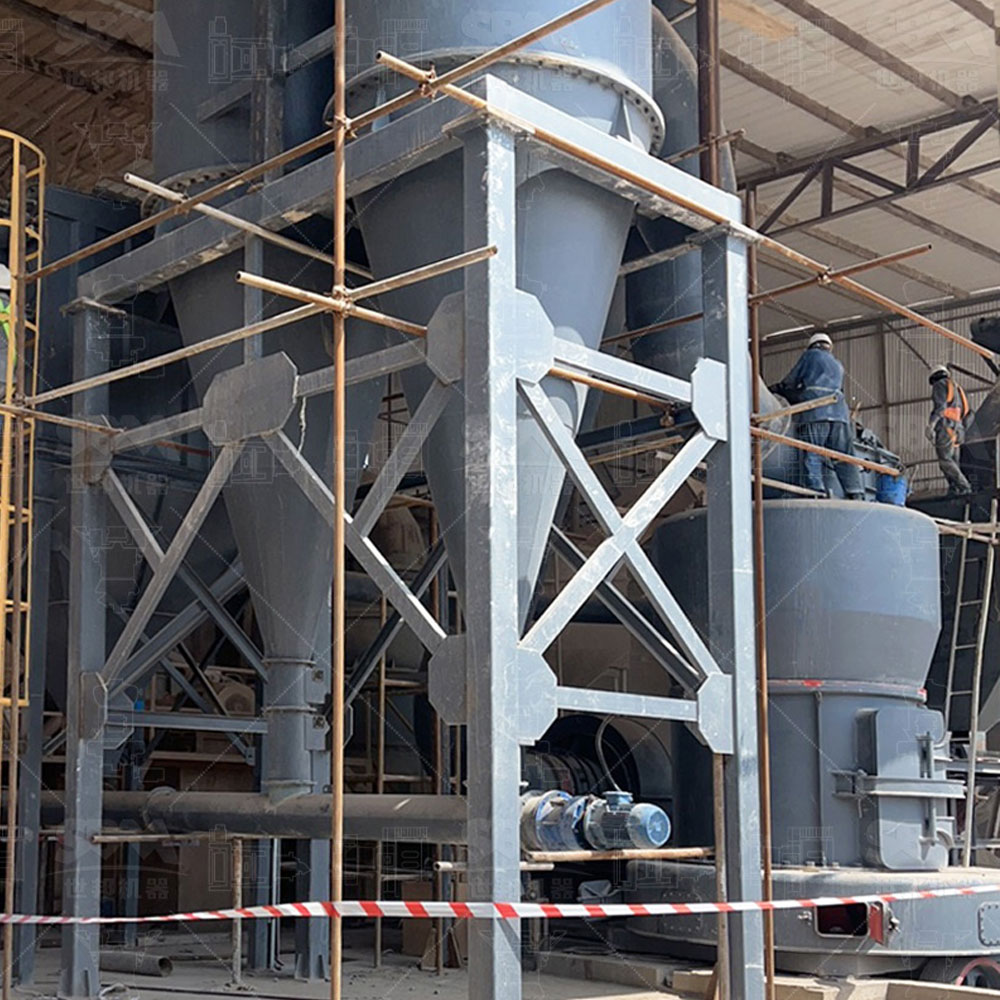 Finally, no investment calculation is complete without considering environmental compliance and social license to operate. Modern grinding systems are designed to meet stringent standards. Features like wholly sealed systems operating under negative pressure prevent dust spillover, and optimized sound insulation keeps noise pollution in check. This proactive design avoids future costs associated with retrofitting pollution control equipment and potential regulatory fines. The environmental protection standards built into SBM's mills, from the MTW's arc air duct to the Ultrafine Mill's efficient dual powder collection, ensure the plant operates as a responsible neighbor, safeguarding the investment against evolving environmental regulations.
In conclusion, a shrewd investment in a powder plant looks beyond the invoice. It seeks technology partners that provide total solutions, where the equipment design inherently lowers lifetime costs through energy savings, reduced maintenance, operational simplicity, and future-proof environmental performance. By focusing on Total Cost of Ownership and partnering with an experienced provider like SBM Machinery, investors can transform the capital expenditure of a powder plant from a cost center into a cornerstone of durable, competitive advantage.
Frequently Asked Questions (FAQs)
1. What is the biggest hidden cost in operating a traditional powder grinding plant?
The most significant hidden cost is often high energy consumption coupled with frequent wear part replacement. Traditional mills like basic ball mills can be energy-intensive, and their grinding media (balls, liners) wear quickly, leading to constant operational expense and production downtime for maintenance, which erodes profitability over time.
2. How can we reduce the civil construction and layout cost for a new plant?
Opting for integrated grinding systems like Vertical Roller Mills is key. These mills combine multiple processes (drying, grinding, separating) in one unit, requiring up to 50% less floor space than traditional systems. Their compact and sometimes outdoor-capable design dramatically reduces the needed building footprint and associated construction costs.
3. We need to produce very fine powder (over 2500 mesh). Is this feasible with industrial-scale equipment, and will it be cost-prohibitive?
Yes, it is feasible with advanced ultrafine mills like the SCM or LUM Ultrafine Vertical Mill. The concern about cost-prohibitive operation is addressed by their high-efficiency design. While specialized, these mills achieve high output with relatively low energy consumption (e.g., 30% lower than some jet mills) and feature durable, specialized wear materials to keep long-term operating costs manageable.
4. How important is automation, and can it really save money?
Automation is crucial for modern cost control. An expert automatic control system (PLC/DCS) ensures stable operation, consistent product quality, and allows for remote monitoring. This reduces the need for constant manual adjustment, saves on labor costs, minimizes human error, and optimizes energy use, leading to direct and significant operational savings.
5. We are in a strict environmental zone. Will installing a grinding plant lead to compliance issues and extra costs?
Not if you select equipment designed with environmental protection as a core feature. Modern mills from reputable suppliers feature fully sealed systems operating under negative pressure (preventing dust escape), efficient pulse dust collectors, and noise reduction technologies. This integrated approach ensures compliance from day one, avoiding costly retrofits or potential fines for pollution.


