

Mill plant construction considerations
Published on: October 26, 2023
Constructing a modern, efficient, and profitable grinding plant is a complex undertaking that extends far beyond simply selecting machinery. It requires a holistic approach that integrates process design, equipment selection, operational efficiency, and long-term sustainability. Success hinges on careful planning around core considerations such as raw material characteristics, target product specifications, desired capacity, site constraints, energy consumption, and total cost of ownership. This article explores these critical factors, drawing on extensive industry experience and advanced technological solutions to guide stakeholders toward building a plant that delivers reliable performance, superior product quality, and a strong return on investment.
The foundation of any successful mill plant project lies in a thorough understanding of the raw material. Characteristics like hardness, moisture content, abrasiveness, and feed size directly dictate the type of grinding technology required. For instance, processing highly abrasive limestone for flue gas desulfurization demands a mill with exceptional wear resistance, while handling heat-sensitive materials like petroleum coke necessitates efficient in-mill drying capabilities. A detailed material analysis is the first non-negotiable step, as selecting the wrong mill type can lead to premature wear, excessive energy use, and an inability to meet product specifications.
Following material analysis, defining the final product requirements is paramount. The target fineness (mesh size), particle size distribution, and production capacity form the core technical parameters for equipment selection. The industry has moved beyond one-size-fits-all solutions. For high-capacity production of coarse to medium-fine powders (30-400 mesh), such as in coal powder preparation or slag micro-powder production, advanced versions of the European Trapezium Mill offer robust performance. Its unique design, featuring a cone gear whole transmission and inner oil absorption lubrication system, ensures high transmission efficiency and operational stability, directly addressing the common client pain point of high maintenance frequency and downtime.
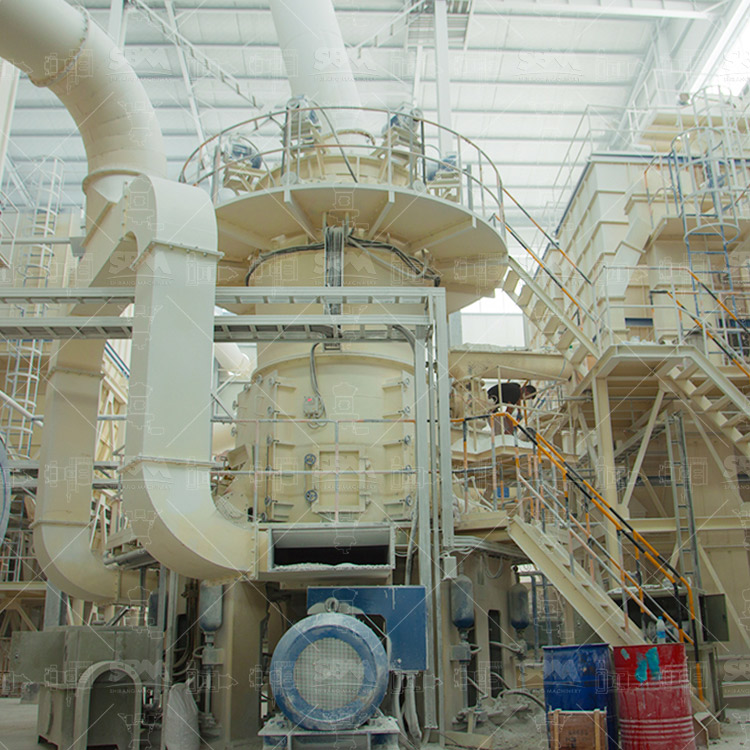
For projects demanding higher capacity and greater energy efficiency in the same fineness range, especially where integrated drying is needed, the Vertical Roller Mill presents a compelling solution. Its integrated design combines crushing, drying, grinding, and separation into a single unit, significantly reducing the plant's footprint—often by up to 50% compared to traditional ball mill systems. This addresses the critical construction pain points of space constraints and high civil engineering costs. Furthermore, its grinding principle, where rollers grind material on a plate without direct metal-to-metal contact, leads to lower wear and 30-40% lower energy consumption, tackling the perennial operational challenges of high power costs and consumable expenses.
When the application calls for ultra-fine or high-purity powders (325-4000 mesh) for industries like new energy materials, advanced ceramics, or high-grade fillers, specialized ultrafine grinding technologies are essential. Here, the Ultrafine Mill and Ultrafine Vertical Mill come into focus. These mills incorporate advanced classifier technology, such as efficient vertical turbine or multi-rotor systems, to ensure precise particle cut-points and no spillover of coarse powder—a key concern for product quality consistency. Their heavy-duty rotor designs and special material compositions for rollers and rings extend service life dramatically, mitigating the risk of contamination and frequent part replacement in sensitive applications.
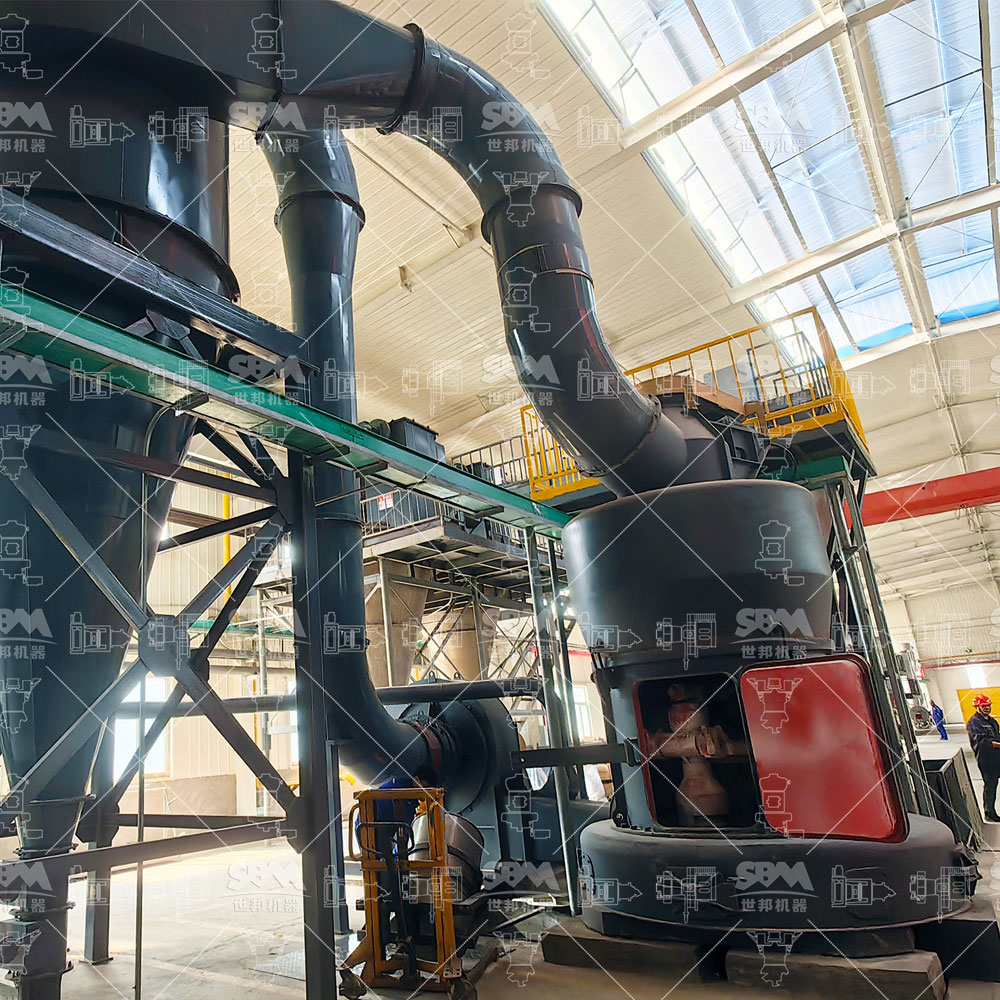
Beyond the mill itself, the supporting system design is equally crucial. This includes feed systems, product collection (cyclones and bag filters), air handling, and process control. A well-designed, airtight system operating under negative pressure is no longer a luxury but a standard requirement for environmental compliance and worker safety. Modern mills are equipped with expert automatic control systems that allow for remote operation, real-time parameter adjustment, and stable product quality control, directly reducing labor costs and human error. The choice between a centralized control room or distributed local controls should align with the plant's operational philosophy and scale.
Finally, forward-thinking construction must prioritize flexibility and future-proofing. Market demands evolve, and a plant designed with some modularity or capacity for future upgrades (e.g., adding a finer classifier or integrating a pre-drying system) protects long-term investment. Partnering with a total solution provider that offers expertise spanning the entire mineral processing workflow—from initial testing and process design to commissioning and after-sales support—can de-risk the project significantly. Such a partner can ensure all components work in harmony, optimizing the entire system for performance, not just individual machine specs.
Frequently Asked Questions (FAQs)
Q1: We struggle with high energy costs and frequent maintenance downtime in our existing plant. What should we prioritize in a new construction project?
A: Prioritize mills designed for high efficiency and low wear. Technologies like Vertical Roller Mills, which consume 30-40% less energy than traditional systems, and designs featuring advanced lubrication and wear-resistant materials (e.g., special roller/ring compositions) directly target these operational costs. An integrated system with automated controls also minimizes unplanned downtime.
Q2: Our raw material moisture content varies seasonally. How can we ensure stable product quality year-round?
A: Select equipment with integrated and efficient drying capabilities. Vertical Roller Mills and certain advanced trapezium mills are designed to handle significant moisture by integrating hot air sources into the grinding chamber, allowing simultaneous drying and grinding, thus stabilizing the process despite feed variations.
Q3: We need to produce very fine powders (over 2500 mesh) but are concerned about low yield and high operational complexity.
A: Look towards dedicated ultrafine grinding solutions like the Ultrafine Vertical Mill. These mills incorporate high-precision, multi-rotor classifiers that enable precise top-size control and high collection efficiency for target fine particles, maximizing yield. Their intelligent control systems also automate critical parameters, simplifying operation.
Q4: Space is extremely limited at our intended site. Can we still build an effective grinding plant?
A: Absolutely. Vertical Roller Mills and other integrated mill systems have a significantly smaller footprint (around 50% less) than traditional ball mill circuits. Their compact, vertical layout and ability to be installed outdoors make them ideal for space-constrained greenfield or brownfield sites.
Q5: Environmental compliance and dust control are major concerns for us. What features should we insist on?
A: Insist on a wholly sealed grinding system that operates under negative pressure, preventing dust escape. Ensure the plant design includes high-efficiency dust collection systems, such as pulse-jet bag filters. Furthermore, select mills with low-vibration designs and sound insulation options to meet noise pollution standards.


