

Sbm: shanghai raymond mill manufacturer
Published on: October 26, 2023
In the demanding world of industrial powder processing, selecting the right grinding equipment is a critical decision that impacts productivity, operational costs, and product quality. Shanghai SBM Machinery Equipment Co., Ltd. (SBM Machinery) has established itself as a global leader and total solution provider in this field. With a comprehensive portfolio that includes advanced Raymond mills (European Trapezium Mills), Vertical Roller Mills, Ultrafine Mills, and Ball Mills, SBM serves over 180 countries, offering tailored systems for applications ranging from power plant desulfurization and cement production to high-purity mineral processing for new energy materials. This article delves into SBM's core technologies, highlighting how their innovative designs address common industry challenges and deliver reliable, efficient, and sustainable grinding solutions.
The cornerstone of many grinding operations, the Raymond mill, has been significantly evolved by SBM. Their MTW Series European Trapezium Grinding Mill represents a generational leap. Developed from extensive R&D and feedback from thousands of clients, it incorporates patented technologies that directly tackle long-standing inefficiencies. A prime example is the Cone Gear Whole Transmission system. This integrated design eliminates traditional external reducers, achieving higher transmission efficiency while saving significant floor space and reducing initial infrastructure investment. Furthermore, the mill's inner oil absorption lubrication system ensures consistent, automated lubrication, minimizing maintenance intervention and the risk of bearing failure—a frequent pain point in continuous operations.
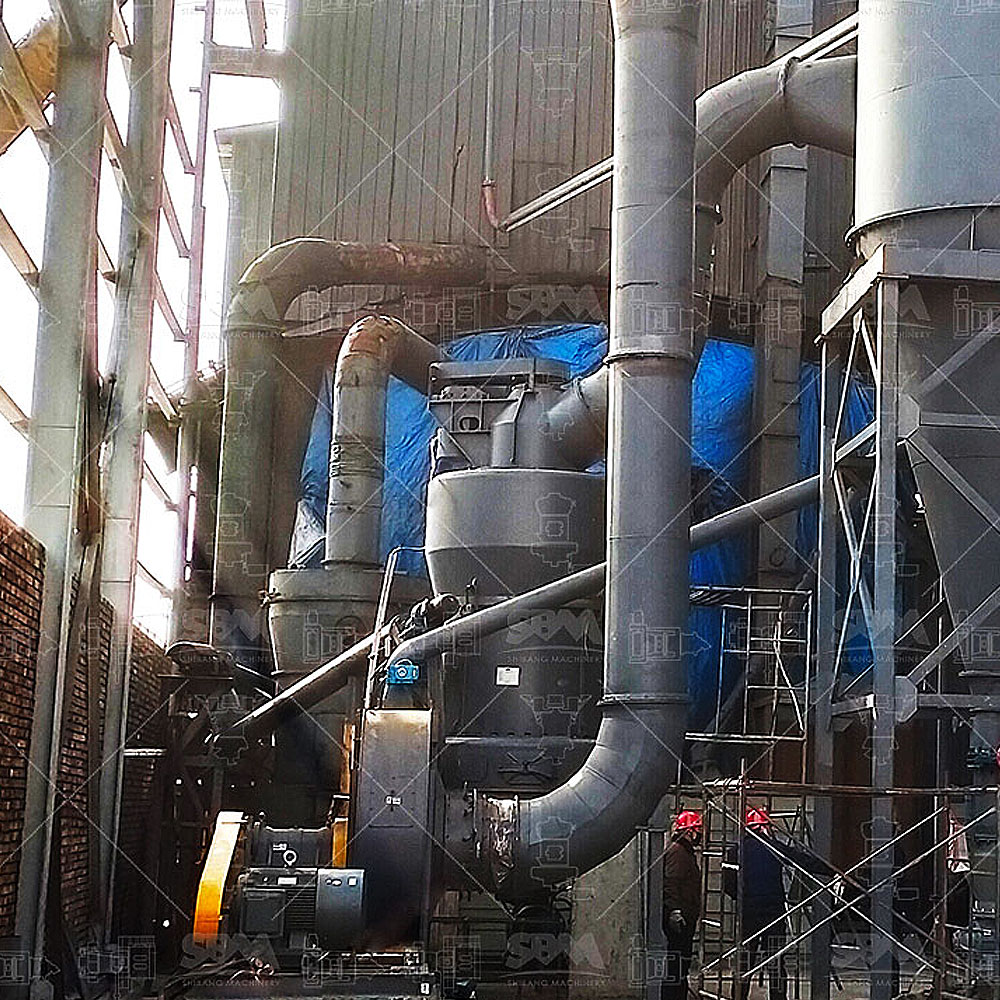
Another critical innovation is the Arc Air Duct design. Traditional mills often suffer from turbulent airflow and energy loss in their ducts, leading to inconsistent powder conveying and higher fan power consumption. SBM's streamlined, circular duct minimizes resistance, ensuring smooth material transport and improved overall system efficiency. Combined with a unique wear-proof perching knife (shovel blade) design, which allows for the replacement of only the blade segment rather than the entire assembly, these features collectively drive down long-term operating and maintenance costs, extending the service life of grinding rollers and rings.
For operations requiring higher capacity and integrated processing, SBM's LM Vertical Roller Mill offers a compelling alternative. Its core advantage lies in its integrated design, combining crushing, drying, grinding, and classification in a single unit. This results in a system that occupies roughly 50% less space than a traditional ball mill circuit, offering substantial savings in civil engineering costs. The grinding principle itself—where rollers press on a rotating table—is inherently more energy-efficient, consuming 30-40% less power than ball milling systems for similar output. The rollers and grinding table, crafted from special wear-resistant materials, operate without direct metal-to-metal contact, dramatically reducing wear rates and associated spare parts costs.
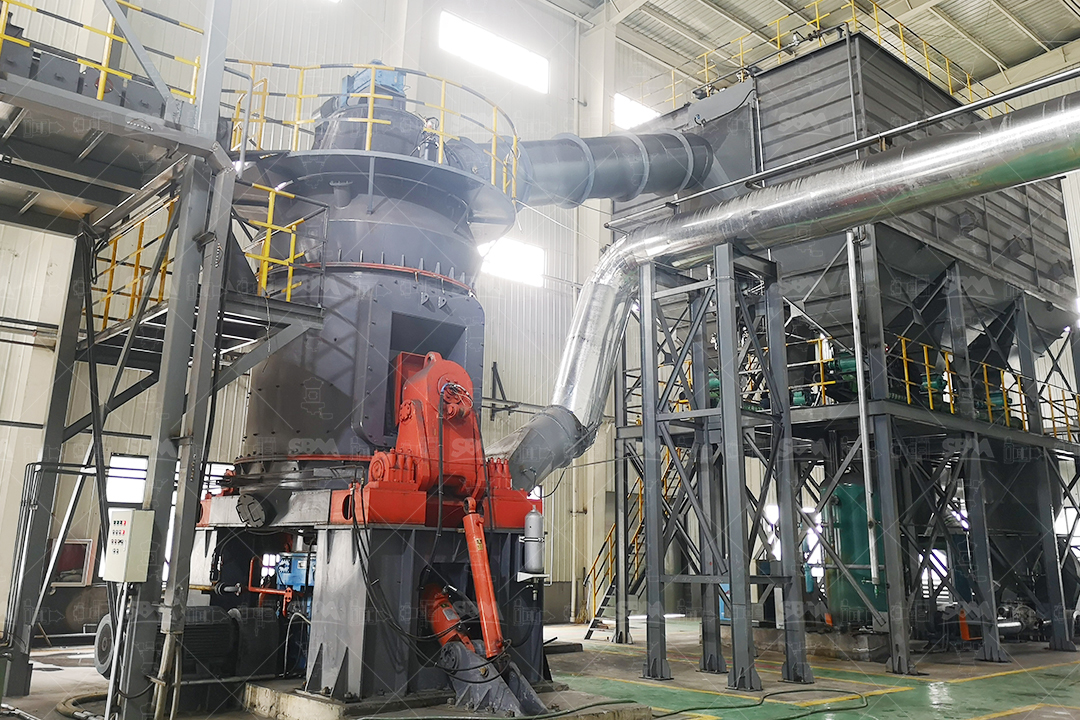
Modern mills must also be intelligent and clean. SBM addresses this through advanced automatic control systems (PLC/DCS) that allow for remote monitoring and operation, enabling precise control over grinding pressure, classifier speed, and temperature. This automation not only optimizes performance but also reduces labor dependency and human error. Environmental compliance is ensured through a fully sealed system operating under negative pressure, effectively containing dust—a major concern for plant safety and environmental standards. The low-vibration design further contributes to a quieter working environment.
When the application demands ultra-fine powders, SBM's SCM Ultrafine Mill and LUM Ultrafine Vertical Mill enter the spotlight. These machines are engineered to produce powders in the range of 325 to 4000 mesh, filling the gap where conventional mills fall short. Key to their performance is advanced turbo powder classification technology, which ensures precise particle size cuts and prevents coarse powder contamination. The heavy-duty rotor and grinding ring design, made from special alloys, provide exceptional durability, resisting wear far longer than standard components in high-intensity fine grinding. For processors of non-metallic minerals like calcite, talc, or barite seeking high-volume, ultra-fine production, the LUM series, with its specialized grinding curve design for optimal material-bed formation, offers superior efficiency and product quality straight from the first pass.
Even for mature technology like the Ball Mill, SBM focuses on optimization. Recognizing issues with high media wear and energy consumption, they have refined structural designs and utilized superior materials to extend the life of grinding balls and liners. Offering both dry and wet process configurations, SBM's ball mills provide versatile solutions for mineral dressing and other applications where this proven technology remains the optimal choice.
In conclusion, SBM's strength as a Shanghai-based Raymond mill manufacturer lies not just in manufacturing equipment, but in providing holistic grinding solutions. By relentlessly focusing on R&D—evident in their numerous patents—they directly address the core pain points of high energy use, excessive maintenance, space constraints, and environmental control. From the robust MTW Raymond Mill to the high-capacity LM Vertical Mill and the precision-focused Ultrafine mills, SBM delivers technology that enhances reliability, boosts profitability, and future-proofs operations for the global powder processing industry.
Frequently Asked Questions (FAQs)
- What are the main advantages of the MTW European Trapezium Mill over a traditional Raymond mill?
The MTW series incorporates several key upgrades: the integrated Cone Gear Transmission for higher efficiency and space savings, an Arc Air Duct for reduced energy loss in powder conveying, and a modular wear-proof shovel blade design that significantly lowers the cost and downtime associated with replacing wearing parts. - How does a Vertical Roller Mill help reduce overall investment costs?
By integrating multiple functions (drying, grinding, separating) into a single, compact unit, the LM Vertical Roller Mill can reduce the required floor space by up to 50% compared to a ball mill system. This leads to lower costs for building foundations and plant layout. Its higher grinding efficiency also translates to lower energy costs per ton of product. - Can your mills handle very fine grinding requirements, such as over 2500 mesh?
Yes. Our SCM Ultrafine Mill and LUM Ultrafine Vertical Mill are specifically designed for superfine powder production. Utilizing advanced classifier technology, they can reliably produce powders in the range of 325 to 4000 mesh, with a one-time fineness achievable at D97 ≤ 5μm, meeting the demands of high-end industries like plastics, coatings, and advanced materials. - What measures are taken to ensure environmental compliance and a clean worksite?
Our mills, especially the vertical roller and ultrafine models, are designed as fully sealed systems that operate under negative internal pressure. This prevents dust from escaping. Coupled with efficient pulse dust collectors and sound insulation designs, they effectively control particulate emissions and noise, ensuring operations meet strict national and international environmental standards. - How does your equipment address the common problem of high maintenance and wear part costs?
We tackle this through material science and intelligent design. Key components like grinding rollers, rings, and liners are made from special, durable alloys to extend service life. Designs like the non-contact grinding in VRMs and the replaceable-tip shovel blades in the MTW mill minimize wear and allow for partial replacement, drastically reducing long-term spare part expenditure and maintenance downtime.


