

Gypsum powder uses and production equipment
Published on: October 26, 2023
Gypsum powder, a cornerstone material in construction, agriculture, and industrial manufacturing, is produced through the precise grinding of raw gypsum rock. Its quality, fineness, and production efficiency are directly influenced by the grinding technology employed. This article explores the diverse applications of gypsum powder and delves into the critical role of advanced milling equipment in optimizing its production, addressing common industry challenges such as high energy consumption, inconsistent particle size, and operational costs. Modern solutions, like those developed by industry leaders, integrate intelligent control, robust design, and environmental sustainability to transform raw gypsum into a high-value product efficiently.
The utility of gypsum powder is vast. In construction, it is the primary ingredient for plaster, drywall, and various cement retarders. The agricultural sector relies on it as a soil conditioner and fertilizer. Industrial applications span from making molds and ceramics to serving as a filler in paints and paper. The key to unlocking this versatility lies in achieving the desired fineness (measured in mesh) and purity, which is where specialized grinding equipment becomes indispensable.
Traditional grinding methods often struggle with the specific demands of gypsum processing. Issues like excessive power usage, rapid wear of grinding components, dust pollution, and difficulty in controlling particle size distribution can significantly impact profitability and product quality. Therefore, selecting the right milling system is not merely an equipment purchase but a strategic investment in the entire production line's efficiency and output quality.
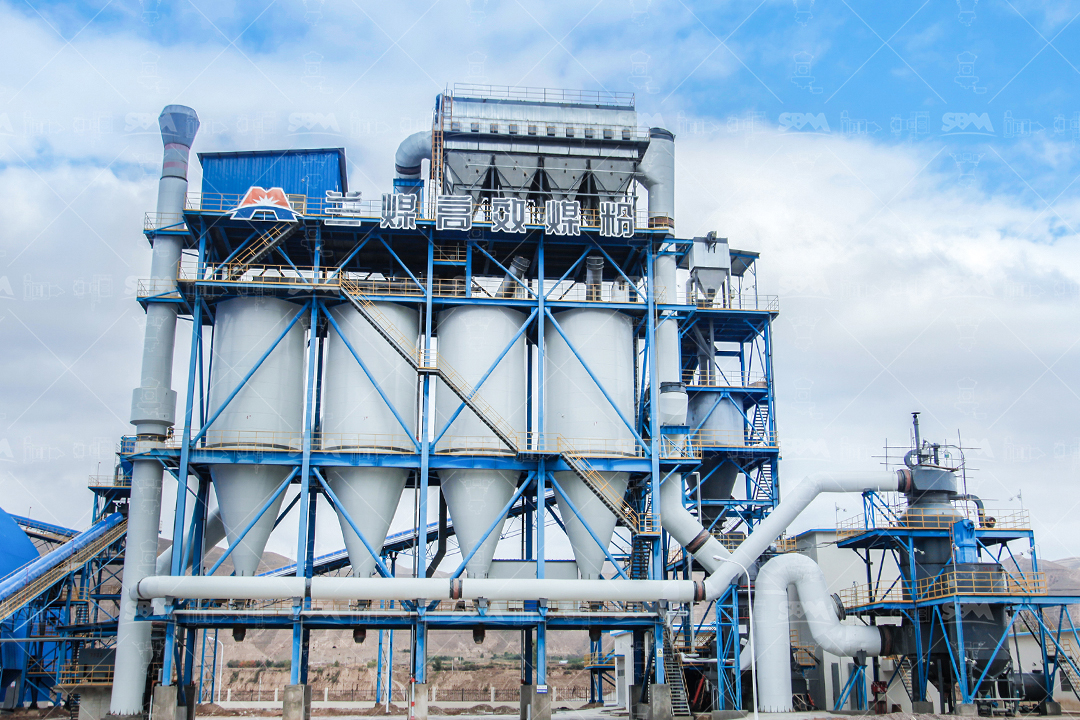 For high-volume production of gypsum powder in the range of 30-400 mesh, the MTW Series European Trapezium Grinding Mill presents a robust solution. Its design directly tackles operational cost concerns. The innovative curved shovel blade design and inner oil absorption lubrication system drastically reduce the frequency of wearing parts replacement, extending the service life of critical components like the roller and grinding ring. Furthermore, its cone gear whole transmission and arc air duct design enhance mechanical efficiency and airflow, leading to lower energy consumption per ton of output. This mill is particularly suited for large-scale projects like gypsum powder plants for building materials or environmental desulfurization limestone powder preparation, where reliability and cost-per-ton are paramount.
When space constraints and high energy efficiency are primary considerations, the LM Vertical Roller Mill offers a compelling alternative. By integrating crushing, grinding, drying, and classification into a single, compact unit, it reduces the footprint by approximately 50% compared to traditional ball mill systems. Its operating principle, where rollers grind material on a plate without direct metal-to-metal contact, results in remarkably lower wear and energy consumption—typically 30-40% less than ball milling systems. The integrated automatic control system allows for precise operation and remote monitoring, addressing the pain point of inconsistent manual control and high labor costs. This makes it an excellent choice for modern gypsum processing lines aiming for automation and sustainable operation.
For premium applications requiring ultra-fine gypsum powder (up to 4000 mesh), such as in high-grade plastics, paints, or advanced ceramics, specialized ultrafine grinding technology is essential. The SCM Ultrafine Mill and LUM Ultrafine Vertical Mill are engineered for this precision task. The SCM series achieves exceptional fineness with high output and low energy consumption, featuring a heavy rotor design for stability and durability. The LUM model takes vertical grinding technology further, incorporating advanced multi-rotor powder classifiers for precise particle size cuts and a PLC/DCS control system for intelligent, stable operation. Both systems are designed with superior sealing and pulse dust collection, ensuring a clean working environment that meets stringent environmental standards—a critical factor for today's manufacturers.
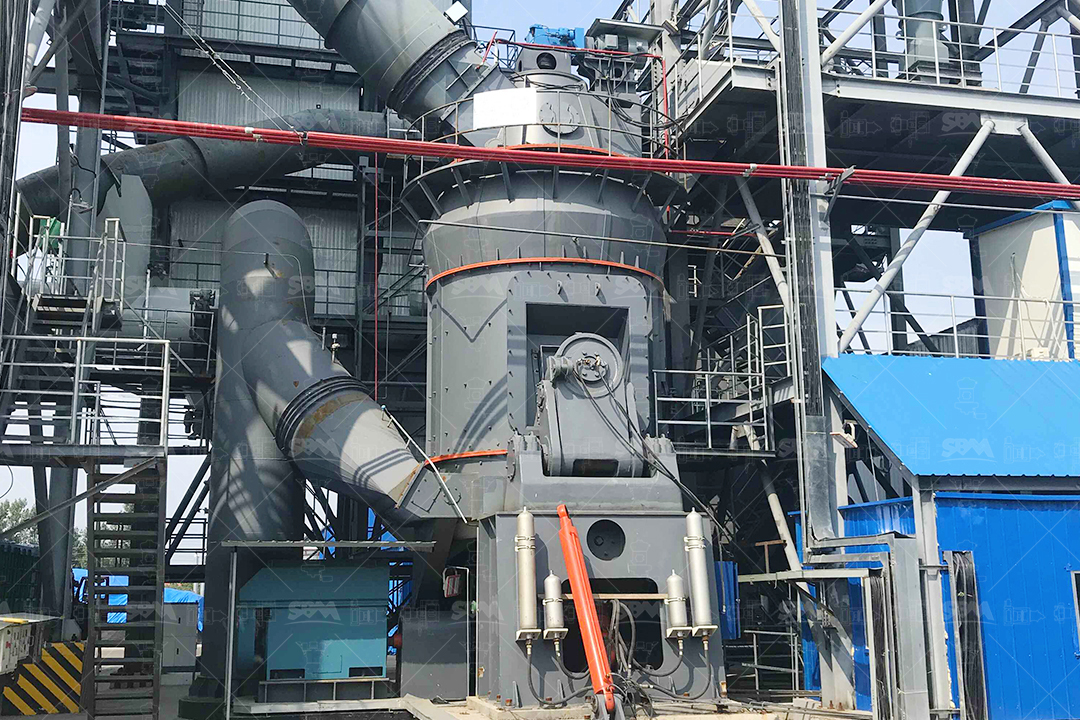 Even the conventional Ball Mill has been optimized for specific gypsum applications. While known for a mature technology, modern iterations address historical weaknesses like high liner and ball wear. Through structural improvements and advanced materials, optimized ball mills offer a reliable solution for wet or dry grinding processes where certain particle characteristics are desired, providing a versatile option within a comprehensive grinding portfolio.
In conclusion, the journey from raw gypsum to a functional powder is defined by technological choice. The evolution of grinding equipment—from trapezium mills and vertical roller mills to sophisticated ultrafine systems—provides targeted solutions for every scale and specification. By focusing on core client pain points like energy use, wear part costs, environmental compliance, and product consistency, modern grinding systems empower producers to not only meet but exceed market demands, ensuring their gypsum powder is competitively produced for a global array of applications.
Frequently Asked Questions (FAQs)
- What is the most energy-efficient mill for producing standard construction-grade gypsum powder (around 200 mesh)?
Vertical Roller Mills (like the LM series) are typically the most energy-efficient for this range, often reducing energy consumption by 30-40% compared to traditional ball mill systems, due to their integrated grinding and drying principle and efficient drive systems. - How can we reduce the frequency and cost of replacing worn grinding parts?
Select mills with innovative wear-part designs. For instance, mills featuring special material rollers/rings, combined-type shovel blades that only require partial replacement, and designs that minimize direct abrasive contact can extend service life by several times, drastically lowering operating costs. - Our production requires very fine gypsum powder (over 2500 mesh). Is consistent fineness achievable, and how is it controlled?
Yes. Advanced ultrafine mills (like the SCM or LUM series) incorporate high-precision turbine or multi-rotor classifiers and intelligent PLC control systems. These allow for precise, adjustable cut points and automatic feedback to maintain stable fineness (e.g., D97 ≤5μm), ensuring batch-to-batch consistency. - Dust control is a major concern for our plant's environmental compliance. How do modern mills address this?
Modern systems are designed as fully sealed negative-pressure systems. They integrate high-efficiency pulse dust collectors and double powder collection methods, effectively preventing dust spillover. This ensures the working environment is clean and emissions easily meet national environmental standards. - We have limited factory space. Can we still set up an efficient gypsum grinding line?
Absolutely. Vertical Roller Mills and integrated grinding systems have a very compact layout, occupying about 50% of the space required by a traditional ball mill system. Their vertical structure and integration of multiple functions allow for outdoor installation, maximizing space utilization.


