

Advantages of pneumatic conveying systems
Published on: October 26, 2023
In the dynamic landscape of industrial powder processing, the efficiency of material handling is as critical as the grinding operation itself. Pneumatic conveying systems have emerged as a superior solution for transporting powdered materials, offering a blend of cleanliness, flexibility, and automation that traditional mechanical conveyors struggle to match. For industries ranging from power generation and cement production to advanced non-metallic mineral processing and new energy materials, integrating a well-designed pneumatic system with high-performance grinding equipment—such as SBM's MTW European Trapezium Mill, LUM Ultrafine Vertical Mill, or SCM Ultrafine Mill—creates a seamless, closed-loop production line. This synergy not only safeguards product quality by preventing contamination and degradation but also significantly enhances operational safety, reduces spatial footprint, and minimizes environmental impact. As a total solution provider with equipment deployed in over 180 countries, SBM Machinery recognizes that the true potential of a grinding system is unlocked only when paired with an intelligent and reliable conveying method.
The core advantage of pneumatic conveying lies in its enclosed design. Unlike open belt or screw conveyors, a pneumatic system operates within sealed pipelines, ensuring that fine powders—whether limestone for desulfurization, heavy calcium carbonate, or ultrafine talc—are contained throughout their journey from the mill outlet to storage silos or downstream processes. This containment is paramount for both product integrity and workplace safety. It eliminates dust spillage, a common pain point that leads to material loss, housekeeping challenges, and potential health hazards for personnel. Furthermore, by maintaining a controlled atmosphere—often under negative pressure—the system protects hygroscopic or reactive materials from moisture absorption or oxidation, preserving the precise fineness and chemical properties achieved by advanced grinding mills.
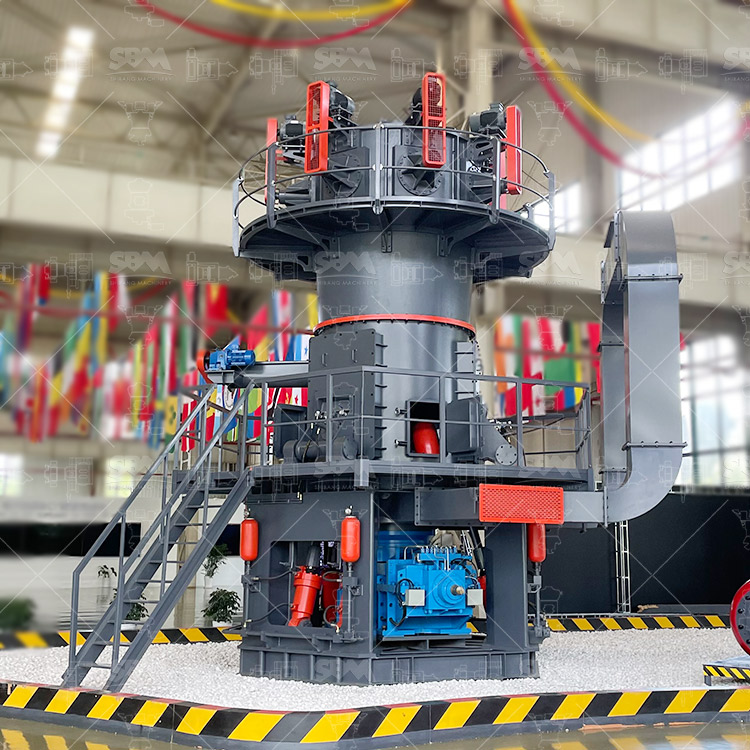
Flexibility in plant layout is another compelling benefit. Pneumatic pipelines can be routed horizontally, vertically, and around obstacles with relative ease, covering long distances and connecting multiple source and destination points. This allows for optimal spatial utilization, a feature that complements SBM's equipment philosophy. For instance, our LM Vertical Roller Mill and LUM Ultrafine Vertical Mill are celebrated for their compact design and small footprint, often being installed outdoors. Pairing such mills with a pneumatic conveyor eliminates the need for complex, space-consuming mechanical transfer equipment, creating a streamlined and modular production zone. This adaptability is invaluable for plant expansion or process reconfiguration, as pipelines can be modified or extended with less disruption compared to fixed mechanical conveyors.
Operational efficiency and automation go hand-in-hand with modern pneumatic systems. These systems are inherently suited for integration with centralized control systems, such as the expert automatic control systems featured in SBM's vertical mills and ultrafine grinders. Parameters like conveying velocity, pressure, and material-to-air ratio can be precisely monitored and adjusted. This level of control prevents common issues like pipeline clogging (especially critical when handling cohesive materials) or particle degradation from excessive velocity. For high-value, ultra-fine products (325 to 4000 mesh) produced by the SCM or LUM mills, gentle conveying modes like dense phase systems can be employed to maintain particle size distribution without attrition. The automation reduces manual intervention, aligns with the low-operating-cost design of SBM grinding mills—which emphasize low wear and high energy efficiency—and contributes to a stable, predictable production cost structure.
From a maintenance and hygiene perspective, pneumatic systems offer clear advantages. The absence of moving parts in contact with the material in the conveying lines reduces mechanical wear points compared to drag chain or screw conveyors. While the grinding mill's internal wear parts—like the specially designed curved shovel blades in the MTW Mill or the durable roller and ring in the Ultrafine Mill—are engineered for longevity, the conveying system's simplicity further extends the mean time between maintenance events. Cleaning between product batches or for material changeovers is also more thorough and efficient, often achieved through blow-down or specialized cleaning cycles, ensuring cross-contamination is avoided—a critical requirement in industries like chemicals or masterbatch production.
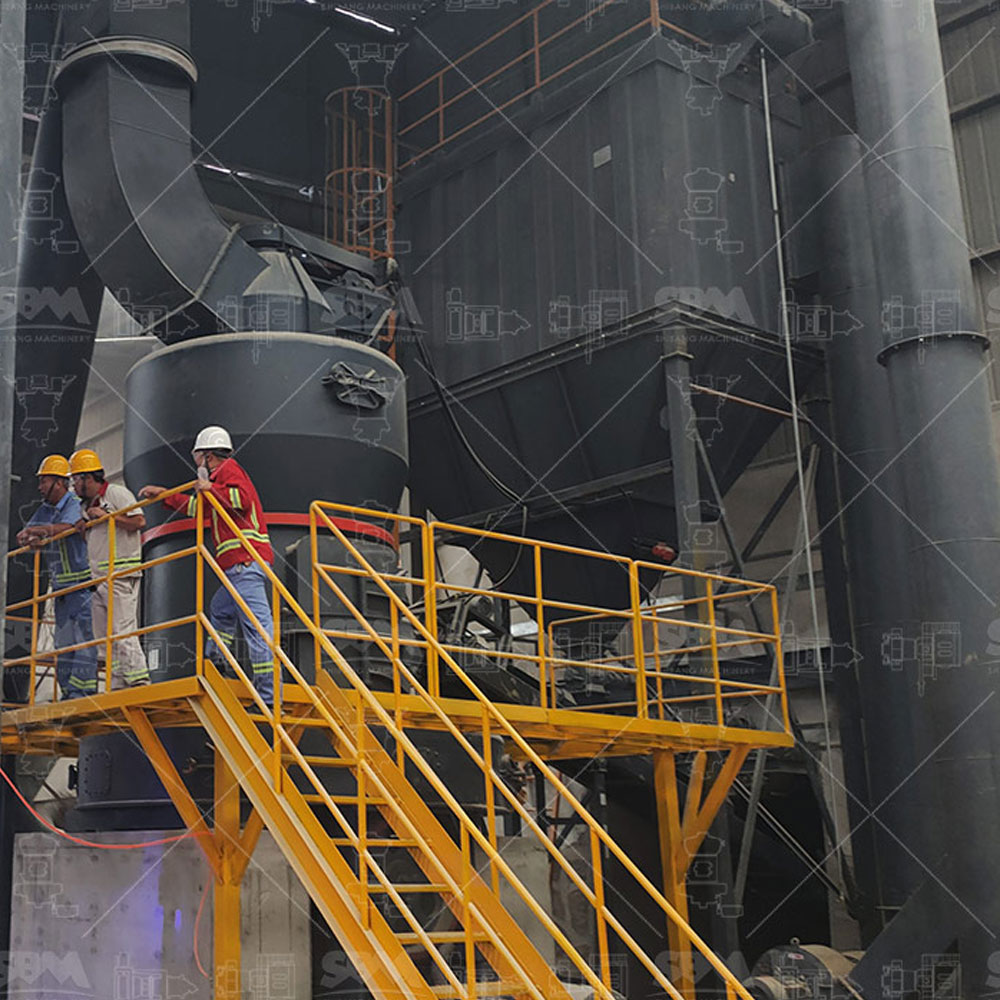
Finally, the environmental and safety compliance achieved is unparalleled. A fully enclosed pneumatic system, operating under negative pressure, ensures that dust emissions are virtually eliminated. This aligns perfectly with the high environmental protection standards of SBM's grinding equipment, which feature wholly sealed grinding chambers, efficient pulse dust collectors, and low-noise designs. By containing dust, the system not only meets stringent national and international emission standards but also contributes to a safer work environment by mitigating explosion risks associated with combustible dust clouds. This holistic approach to clean production—from grinding with energy-efficient mills to conveying in a sealed environment—defines the modern, responsible powder processing plant.
In conclusion, pneumatic conveying is not merely a transport method; it is an integral component of an advanced powder processing system. It amplifies the inherent benefits of modern grinding technology—be it the high output of a Vertical Roller Mill, the exceptional fineness of an Ultrafine Mill, or the robust reliability of a Ball Mill. By ensuring clean, flexible, automated, and safe material handling, it allows industries to fully realize the value of their grinding investment, turning raw materials into consistent, high-quality powders ready for the global market.
Frequently Asked Questions (FAQs)
- Q: We often experience pipeline clogging when conveying fine, cohesive materials. How can a pneumatic system designed for your mills prevent this?
A: Our systems are engineered based on material characteristics. For cohesive powders from our SCM or LUM mills, we recommend and can integrate dense phase conveying with low velocity and high pressure, which gently pushes material plugs through the pipeline, minimizing adhesion and clogging risks. - Q: Does integrating a pneumatic conveyor significantly increase the overall energy consumption of our grinding plant?
A: While pneumatic systems require energy for air movement, their efficiency often offsets costs from material loss and mechanical conveyor maintenance. More importantly, pairing them with our high-efficiency mills (like the LM Vertical Mill which saves 30-40% energy vs. ball mills) results in a net reduction in overall specific energy consumption per ton of finished product. - Q: How do you handle the problem of particle attrition or degradation during conveying, especially for our valuable ultra-fine product?
A: Particle degradation is a key concern. Our system design prioritizes gentle handling. For ultra-fine powders, we utilize low-velocity, dense phase technology and optimize pipeline layout with smooth bends. This, combined with the precise particle size control from our classifiers, ensures the final product integrity is maintained from mill to silo. - Q: Our plant space is limited. Is a pneumatic conveying system feasible, and how does it compare spatially to mechanical alternatives?
A: Absolutely. Pneumatic systems are ideal for tight spaces. The pipelines are compact and can be routed overhead or along walls, unlike wide belt conveyors. This complements the compact design of our vertical mills, allowing for a very small plant footprint—often 50% less than a traditional ball mill system with mechanical conveyors. - Q: We need to switch between different powder products regularly. How quickly and cleanly can a pneumatic system be purged for changeover?
A: Changeover efficiency is a major strength. Our systems are designed for easy cleaning. Using techniques like air purging or dedicated line cleaners, pipelines can be cleared of residual material effectively and quickly, minimizing downtime and preventing cross-contamination between batches—a critical feature for multi-product facilities.


