

Processing calcium stone into fine powder
Published: October 26, 2023
The transformation of calcium stone—including limestone, calcite, and marble—into fine powder is a critical process for numerous industries, from construction and plastics to environmental desulfurization and advanced materials. Achieving consistent fineness, high throughput, energy efficiency, and operational reliability presents significant challenges. This article explores the technical complexities of calcium stone grinding and highlights advanced milling technologies designed to overcome common production bottlenecks, enhance product quality, and reduce total operational costs, drawing on proven global expertise in mineral processing solutions.
Calcium-based minerals are among the most widely processed materials globally. Their applications are vast: as fillers in plastics and paints, raw material for cement, agents in flue gas desulfurization (FGD) systems, and bases for artificial stone and masterbatch production. The primary challenge lies in efficiently reducing raw ore, often with feed sizes up to 50mm, into uniform fine powders ranging from coarse 30-mesh granules to ultra-fine particles measuring just a few microns. Traditional grinding methods often struggle with high energy consumption, rapid wear of mechanical parts, inconsistent particle size distribution (PSD), and significant dust emission, leading to elevated production costs and environmental compliance issues.
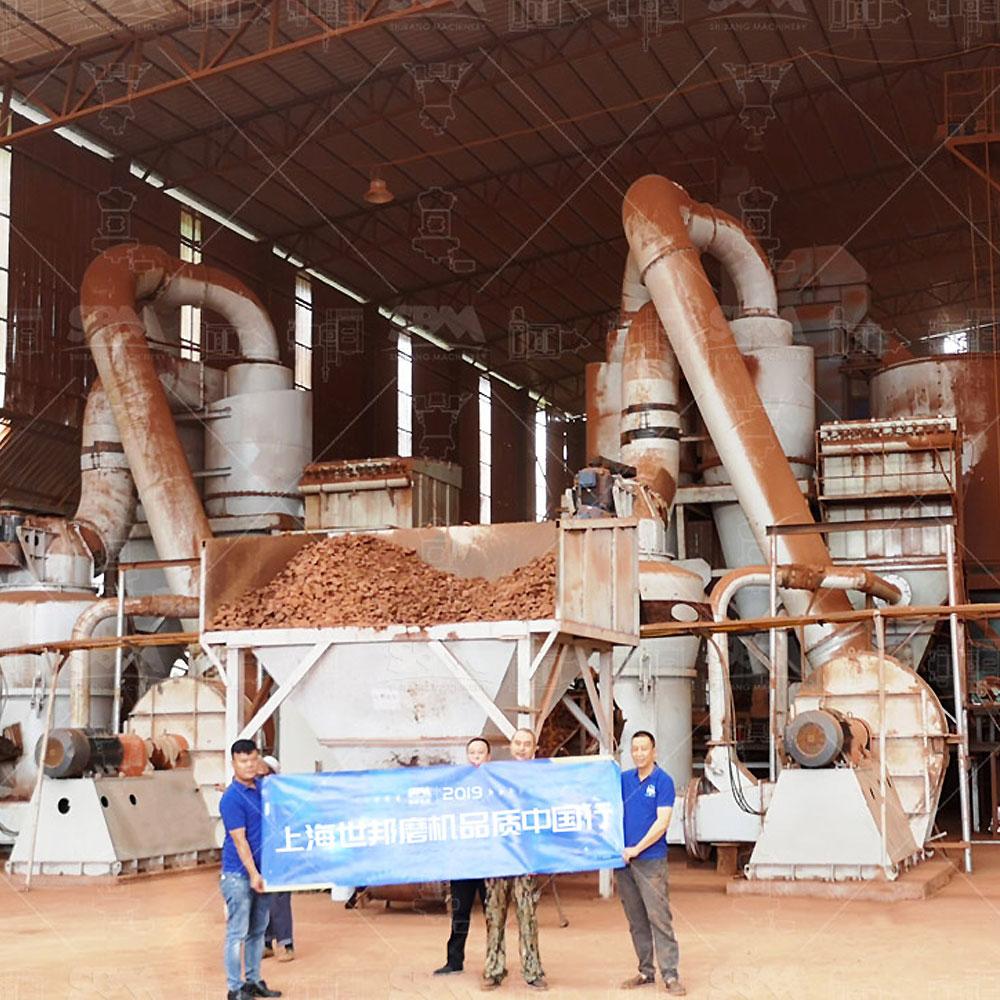
This is where engineered grinding solutions make a decisive difference. For coarse to medium-fine grinding (30-400 mesh) of calcium stone at capacities from 3 to 400 tons per hour (tph), two robust systems stand out. The MTW Series European Trapezium Grinding Mill incorporates international advanced technologies like cone gear whole transmission and an inner oil absorption lubrication system. Its unique curved shovel blade design optimizes material feeding, drastically reducing wear on rollers and rings and lowering long-term operating costs. The arc air duct design minimizes pneumatic resistance, enhancing classification efficiency. For projects demanding even higher capacity and integrated drying of slightly moist materials, the LM Vertical Roller Mill offers a compelling advantage. It consolidates crushing, drying, grinding, and separation into a single, space-saving unit. Its grinding rollers operate directly on a rotating table without direct metal-to-metal contact, resulting in energy savings of 30-40% compared to traditional ball milling systems and remarkably low wear rates.
However, many high-value industries now demand ultra-fine powders (325 to 4000 mesh) for use in high-performance polymers, sealants, and specialty coatings. Producing such fine, consistently sized powder requires precision engineering. The SCM Series Ultrafine Mill is specifically designed for this purpose, capable of achieving a one-time fineness of D97 ≤ 5μm. Its heavy-duty rotor design and special material for rollers and rings ensure durability several times higher than conventional mills. Coupled with an efficient vertical turbine powder classifier, it guarantees precise particle cut-points without coarse powder spillover, delivering high output with energy consumption up to 30% lower than jet mills.
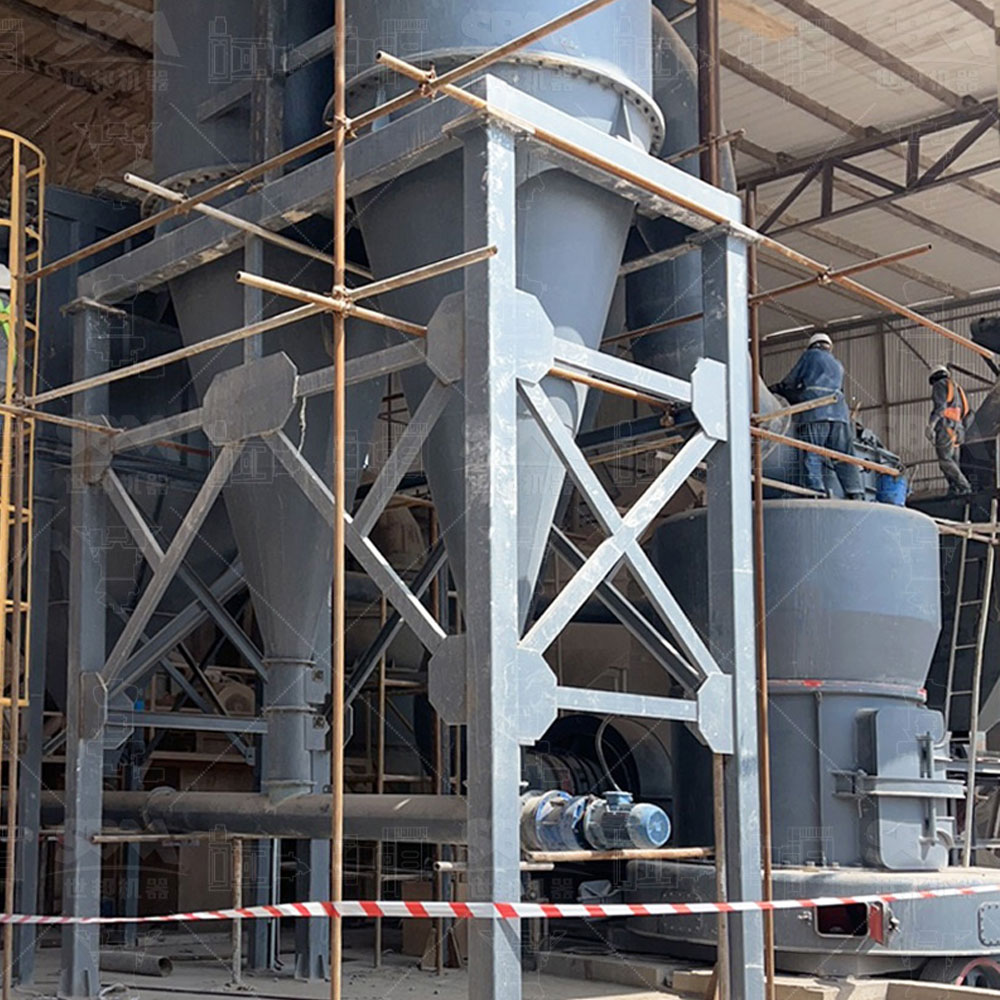
Pushing the boundaries of ultra-fine processing further, the LUM Ultrafine Vertical Mill integrates advanced grinding roller technology with German-derived powder separation principles. It is particularly effective for calcium minerals like calcite and dolomite. Its core innovation lies in the uniquely designed grinding curves of the roller and lining plate, which promote stable material bed formation for more efficient primary grinding. The multi-rotor classifier allows for highly customizable fineness ranges, ensuring no low-grade material contaminates the final product. Furthermore, intelligent PLC/DCS control systems automatically manage critical parameters like grinding pressure and classifier speed, enabling remote operation, stable performance, and direct labor cost savings.
Beyond the machinery itself, a successful calcium powder production line hinges on a holistic approach. This includes proper raw material pre-crushing, efficient powder collection via pulse dust collectors or double powder collecting methods that exceed international emission standards, and integrated sound insulation solutions to meet stringent workplace noise regulations. The goal is a seamless, closed-loop system that operates under negative pressure, eliminating dust spillage and creating a clean, sustainable production environment.
In conclusion, processing calcium stone into fine powder is no longer just about pulverization; it's about intelligent, efficient, and clean transformation. By selecting equipment engineered with specific technological advantages—be it for high-capacity coarse grinding, energy-efficient integrated processing, or precision ultra-fine milling—producers can directly address the core pain points of cost, quality, and environmental impact. With solutions deployed in over 180 countries, the expertise exists to tailor a system that turns raw calcium stone into a high-value, consistently perfect powder, driving innovation and profitability across the supply chain.
Frequently Asked Questions (FAQs)
- Q: We experience high energy costs and rapid wear part replacement with our current ball mill for calcium carbonate. What is a more cost-effective solution?
A: Consider transitioning to a vertical roller mill (like the LM series). Its grinding principle reduces energy consumption by 30-40% and features minimal direct contact between grinding parts, leading to significantly lower wear rates and reduced operating costs over time. - Q: Our customers demand ultra-fine calcium powder (over 2500 mesh) with very tight particle size distribution. Can your equipment achieve this consistently?
A: Yes. Our SCM Ultrafine Mill and LUM Ultrafine Vertical Mill are specifically designed for this range. They incorporate high-precision turbine classifiers and advanced grinding curves to achieve D97 ≤ 5μm and customizable fineness up to 4000 mesh, ensuring consistent, high-quality output without coarse powder contamination. - Q: Dust control is a major concern for our plant to meet environmental regulations. How do your systems address this?
A: Our milling systems are designed as fully sealed, negative-pressure operations. Combined with efficient powder collection systems (like pulse dust collectors), they prevent dust spillover entirely. The emission levels are engineered to meet or exceed stringent national and international environmental standards. - Q: We have limited floor space but need to increase production capacity. Are there compact solutions?
A: Absolutely. Vertical roller mills (LM and LUM series) integrate multiple functions (drying, grinding, separation) into a single, compact unit, occupying about 50% of the space required by a traditional ball mill system. They can also be installed outdoors, maximizing your plant layout efficiency. - Q: Is it possible to automate the grinding process to reduce labor dependency and improve consistency?
A: Yes. Our advanced mills feature expert automatic control systems (PLC/DCS) that allow for remote operation and monitoring. They automatically regulate grinding pressure, feed rate, and classifier speed to maintain optimal conditions, ensuring stable product quality while saving on labor costs.


