

Gcc uses and production equipment
Published on: October 26, 2023
Ground Calcium Carbonate (GCC) is a fundamental material across numerous modern industries, from plastics and paints to paper and pharmaceuticals. Its production demands precision, efficiency, and reliability—qualities that are often compromised by outdated or unsuitable grinding technology. This article explores the primary applications of GCC and delves into the advanced milling solutions engineered by SBM Machinery to address the core challenges of modern powder processing. We will examine how specific technological innovations in equipment design directly translate to operational benefits, including enhanced product quality, reduced energy consumption, and lower total cost of ownership.
The versatility of GCC stems from its ability to act as a functional filler, extender, and whitening agent. In plastics, it improves stiffness and heat resistance; in paints and coatings, it enhances opacity and durability; in paper, it increases brightness and printability. However, achieving the precise particle size distribution (PSD) and fineness required for these applications is a significant technical hurdle. Traditional grinding mills often struggle with consistency, energy inefficiency, and high maintenance costs, leading to production bottlenecks and unpredictable product quality.
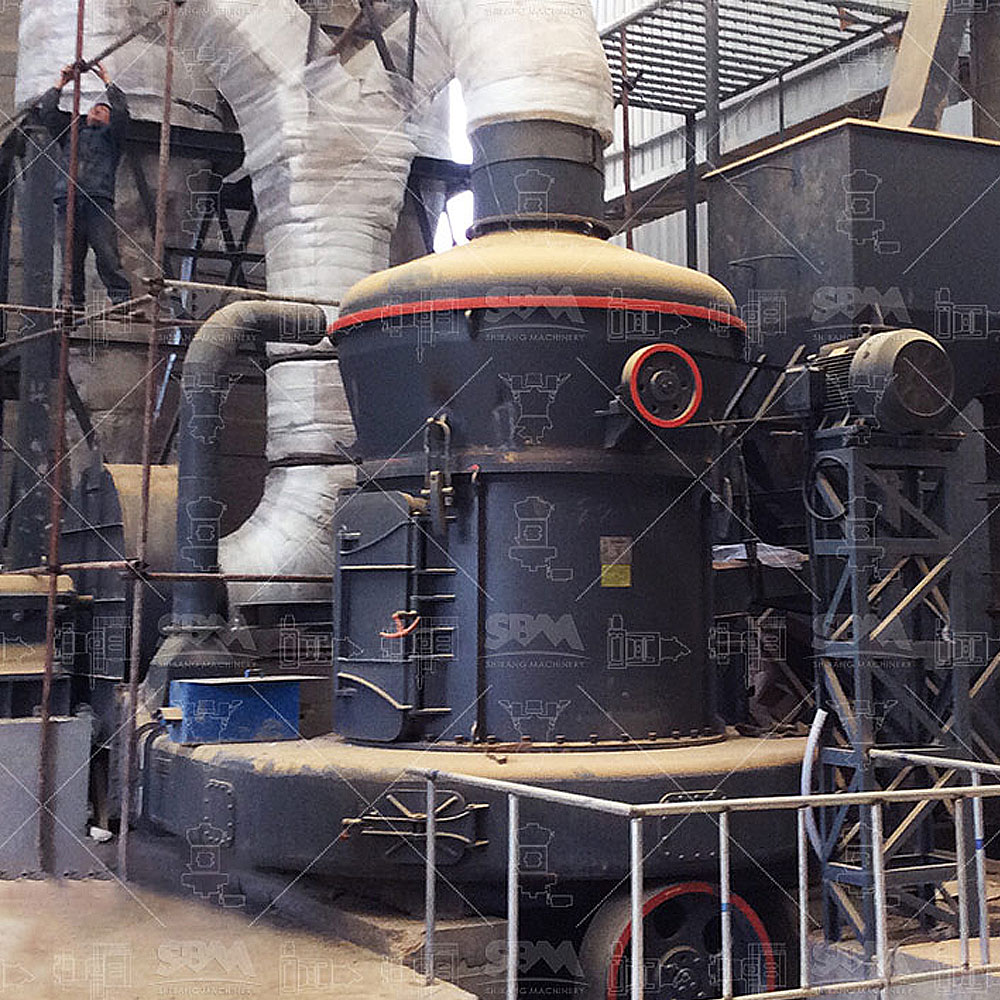
This is where specialized grinding technology becomes critical. SBM Machinery's portfolio is built on addressing these very pain points. For instance, the MTW Series European Trapezium Grinding Mill incorporates an advanced cone gear whole transmission system. This design not only achieves higher transmission efficiency but also saves significant space and reduces initial investment costs. Its unique arc air duct design minimizes air energy loss, ensuring efficient material transportation within the system. For operators, this means a more stable grinding process and lower operational expenses over the mill's lifespan.
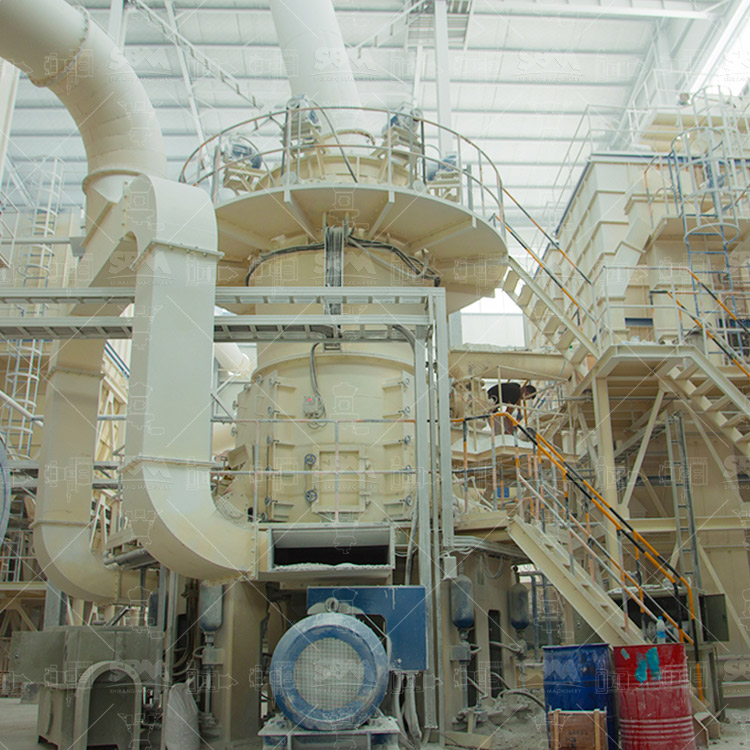
When project scale and energy consumption are paramount concerns, the LM Vertical Roller Mill presents a compelling solution. Its integrated design combines crushing, drying, grinding, and classification into a single, compact unit. This results in a footprint approximately 50% smaller than a traditional ball mill system. More importantly, its grinding principle—where rollers directly grind material on a plate—reduces energy consumption by 30-40%. The automatic control system allows for remote operation and expert process optimization, directly addressing labor cost and consistency challenges.
For ultra-fine GCC applications requiring fineness up to 4000 mesh, conventional equipment falls short. The SCM Ultrafine Mill and LUM Ultrafine Vertical Mill are engineered for this high-end segment. The SCM series boasts a heavy rotor design and special material rollers, offering durability several times greater than standard components. Its efficient powder classifier ensures precise particle cut-off with no coarse powder spillover. The LUM series takes it a step further by integrating German powder separation technology, enabling customizable fineness ranges and a high yield of product from the primary grind. Both mills feature fully sealed systems operating under negative pressure, eliminating dust spillage and ensuring a clean working environment.
Even for standard GCC ranges, the modernized Ball Mill from SBM offers improvements. Through structural optimization and the use of wear-resistant materials, the issues of rapid media wear and high energy consumption associated with traditional ball mills are significantly mitigated. Available in both dry and wet configurations, these mills provide reliable solutions for less demanding fineness requirements where robustness is key.
In conclusion, selecting the right grinding equipment is not merely a purchase but a strategic decision impacting long-term productivity and profitability. SBM Machinery's range of mills, from the high-capacity LM Vertical Roller Mill to the precision-focused LUM Ultrafine Vertical Mill, are designed with the specific challenges of GCC production in mind. By focusing on technological pillars such as transmission efficiency, intelligent control, wear resistance, and environmental sealing, SBM provides total solutions that empower producers to meet stringent market demands reliably and efficiently.
Frequently Asked Questions (FAQs)
Q1: We struggle with inconsistent fineness and high energy bills with our current mill. What solution offers the best balance of control and efficiency?
A: The LM Vertical Roller Mill is specifically designed to address this. Its integrated grinding and classification system, coupled with an expert automatic control system (PLC/DCS), ensures stable product fineness. Simultaneously, its grinding mechanism consumes 30-40% less energy than traditional ball milling systems, directly lowering your operating costs.
Q2: For producing ultra-fine GCC above 2500 mesh, how do we avoid low yield, high maintenance, and equipment vibration?
A: The LUM Ultrafine Vertical Mill is ideal. It features a unique grinding curve design for easier material bed formation, improving primary grinding yield. Its multi-rotor classifier allows precise fineness customization. Furthermore, the heavy rotor design and balanced grinding chamber ensure stable, vibration-free operation, drastically reducing mechanical stress and maintenance frequency.
Q3: Dust pollution is a major concern for our plant. Are your mills sealed effectively?
A> Absolutely. Key models like the LUM Ultrafine Mill, SCM Ultrafine Mill, and LM Vertical Mill are designed as fully sealed systems that operate under negative pressure. This means air is drawn into the mill, preventing any powder or dust from escaping into the workshop, ensuring compliance with strict environmental standards.
Q4: The rapid wear of grinding rollers and rings leads to frequent downtime and high spare parts costs. How do your mills tackle this?
A> Our mills employ several strategies. The MTW Mill uses a combined-type shovel blade where only the blade tip needs replacement. The SCM and LUM series use rollers and rings made from special, durable materials that last several times longer. This design philosophy focuses on reducing the cost and frequency of wearing parts replacement.
Q5: We need a system that can be easily controlled and monitored, potentially remotely, to reduce labor dependency. Is this possible?
A> Yes. Our advanced mills, particularly the LM Vertical Roller Mill and LUM Ultrafine Vertical Mill, come equipped with intelligent, automated control systems. These systems allow for remote monitoring and operation, enable free switching between local and remote control, and use algorithms to maintain optimal grinding conditions, saving on labor costs and improving consistency.


