

Minimum price for an ore grinding mill
Published: October 26, 2023
Determining the minimum investment for an ore grinding mill is a complex calculation that extends far beyond the initial purchase price. For project managers and plant operators in mining, metallurgy, and non-metallic minerals, the true cost is defined by the total cost of ownership (TCO), which encompasses capital expenditure (CAPEX), operational expenditure (OPEX), maintenance downtime, energy consumption, and final product quality. A mill that appears inexpensive upfront can become a financial burden through high wear part replacement costs, excessive power draw, and inconsistent output. Conversely, a strategically selected, technologically advanced grinding solution—engineered for efficiency, durability, and low lifecycle cost—delivers superior long-term value and a faster return on investment. This analysis explores the key technical and economic factors that define the minimum viable investment for a grinding system that ensures profitability and operational excellence.
The cornerstone of cost-effective grinding lies in selecting the right technology for the specific material and fineness requirement. A one-size-fits-all approach is a common pitfall that leads to underperformance. For high-capacity processing of materials like limestone for desulfurization or slag for micro-powder, where output ranges from 30 to 400 mesh, the MTW Series European Trapezium Mill presents a robust solution. Its design philosophy centers on reducing operating costs. The patented curved shovel blade design minimizes wear on the grinding roller and ring, significantly extending their service life and reducing the frequency and cost of part replacements. The integral bevel gear transmission is not only more efficient but also more compact, saving valuable plant floor space—a hidden capital cost saving during installation.

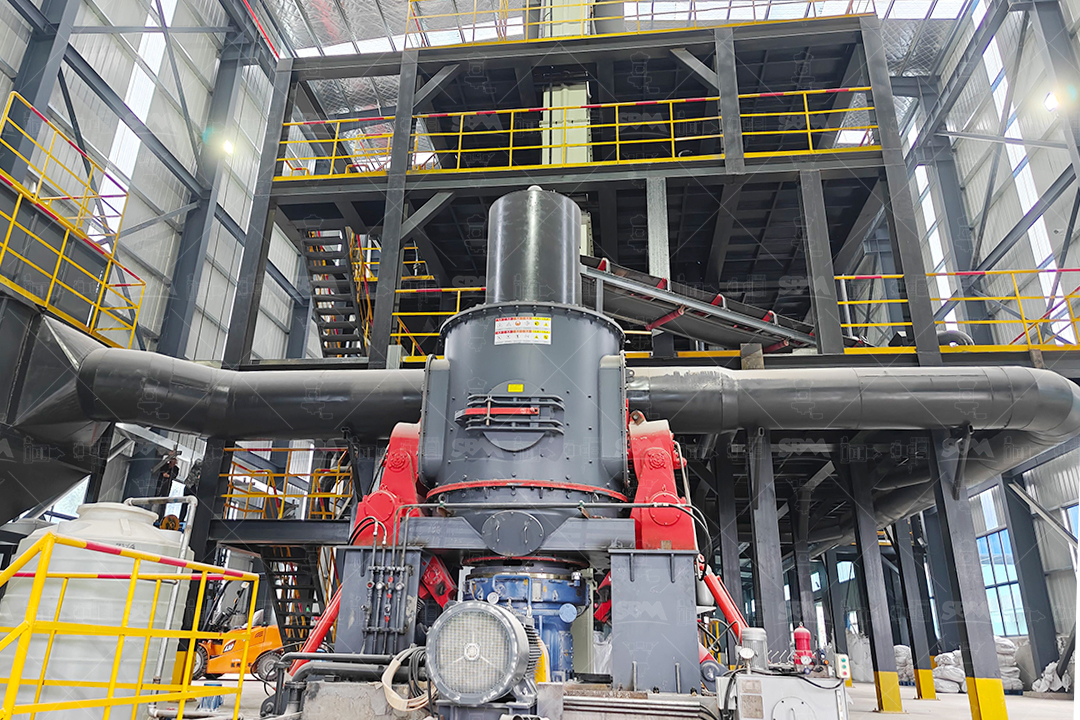
When space constraints and energy efficiency are paramount, vertical roller mill technology becomes the benchmark. The LM Vertical Roller Mill integrates crushing, drying, grinding, and classification into a single, streamlined unit. Its compact footprint can be up to 50% smaller than a traditional ball mill system, drastically reducing civil engineering and construction costs. More importantly, its grinding principle—where rollers press directly onto a rotating table—consumes 30% to 40% less energy than a ball mill of equivalent capacity. This direct reduction in power consumption, often the single largest OPEX component, is a decisive factor in achieving a lower operational cost base, making the 'minimum price' a function of sustained low running costs.
For applications demanding ultra-fine powders (325 to 4000 mesh) in industries like advanced ceramics, batteries, or high-grade fillers, the technological bar is raised. Here, the SCM Ultrafine Mill and LUM Ultrafine Vertical Mill address the critical challenge of achieving high fineness without prohibitive energy use. The SCM series, for instance, can offer more than double the output of a jet mill while reducing energy consumption by approximately 30%. Its heavy-duty rotor and precision balancing ensure stable, vibration-free operation, which is essential for consistent product quality and reduced mechanical stress. The LUM series takes this further with advanced multi-rotor classifier technology, allowing precise cut-point control to eliminate coarse particles and maximize yield of the target fine fraction on the first pass, minimizing wasteful re-grinding cycles.
Even mature technologies like the Ball Mill have been re-engineered for cost optimization. Traditional pain points like rapid liner and grinding media wear directly impact the minimum sustainable operating cost. Modern designs utilize advanced materials and structural optimizations to extend component life, thereby lowering the cost per ton of material processed. Furthermore, the choice between dry and wet grinding configurations allows for tailoring the solution to the exact process flow, preventing over-investment in unnecessary capabilities.
Ultimately, the path to the minimum viable investment is paved with lifecycle analysis. Key considerations must include: System Integration—does the mill come from a provider capable of delivering a complete, optimized system to avoid costly interface issues? Automation—does it feature expert control systems for stable operation, reduced labor, and optimal power use? Environmental Compliance—are its sealing and dust collection systems inherently designed to meet stringent standards without add-on costs? And Provenance & Support—is the technology backed by global experience and accessible service to minimize downtime risks? By prioritizing these factors, investors can secure a grinding solution where the lowest total cost of ownership defines the true minimum price, ensuring project viability and competitive advantage for years to come.
Frequently Asked Questions (FAQs)
Q1: We are concerned about high energy bills. Which mill type typically offers the greatest savings on power consumption?
A: Vertical Roller Mills (like the LM and LUM series) are generally the most energy-efficient for a wide range of applications, often reducing specific energy consumption by 30-40% compared to traditional ball mills, due to their direct grinding principle and integrated design.
Q2: Wear part replacement is a major cost and cause of downtime for us. How can this be mitigated?
A: Look for mills with design innovations aimed at wear reduction. For example, the MTW Mill's combined-type curved shovel blades and the use of special alloy materials in rollers/rings in ultrafine mills dramatically extend service life, lowering both part costs and maintenance frequency.
Q3: Our project has limited physical space. Are there compact grinding system options?
A> Yes. Vertical Roller Mills are renowned for their compact layout, integrating multiple functions into one unit and occupying up to 50% less space than a conventional ball mill circuit, which can significantly reduce building and layout costs.
Q4: We need very fine powder but are worried about high operational complexity and cost.
A: Modern ultrafine mills (SCM & LUM) are designed for efficiency at high fineness. Features like intelligent automatic control systems, high-efficiency classifiers that prevent coarse powder spillage, and stable vibration-free operation make producing fine powder more reliable and cost-effective than older technologies.
Q5: How can we ensure the new mill will meet environmental regulations without expensive retrofits?
A> Choose equipment designed with environmental protection as a core principle. Key features include fully sealed systems operating under negative pressure (preventing dust escape), integrated high-efficiency dust collectors, and noise reduction technologies. This ensures compliance from day one, avoiding future capital penalties.


