

Selecting screw conveyors for powder plants
Published on: October 26, 2023
Selecting the right screw conveyor for a powder processing plant is a critical decision that directly impacts operational efficiency, product integrity, and total cost of ownership. While the conveyor itself is a key component, its performance is intrinsically linked to the upstream grinding process. An optimal system begins with a mill that delivers a consistent, correctly sized powder with predictable flow characteristics. This article explores the essential considerations for screw conveyor selection, framing them within the context of achieving a seamless, reliable, and efficient material handling workflow from grinding to final transfer.
The foundation of any efficient powder handling system is the quality and consistency of the powder itself. Inconsistent particle size distribution, excessive moisture, or unpredictable flowability from the grinding stage can plague even the most robustly designed conveyor, leading to blockages, segregation, or erratic feed rates. Therefore, the choice of grinding equipment is the first and most crucial step in mitigating downstream handling challenges. Modern milling solutions, such as vertical roller mills and advanced trapezium mills, are engineered not just for size reduction but for producing a product with superior handling properties. For instance, mills featuring precise internal classification and efficient drying integration ensure the output powder has minimal moisture content and a tight particle size distribution, which dramatically enhances its conveyability.
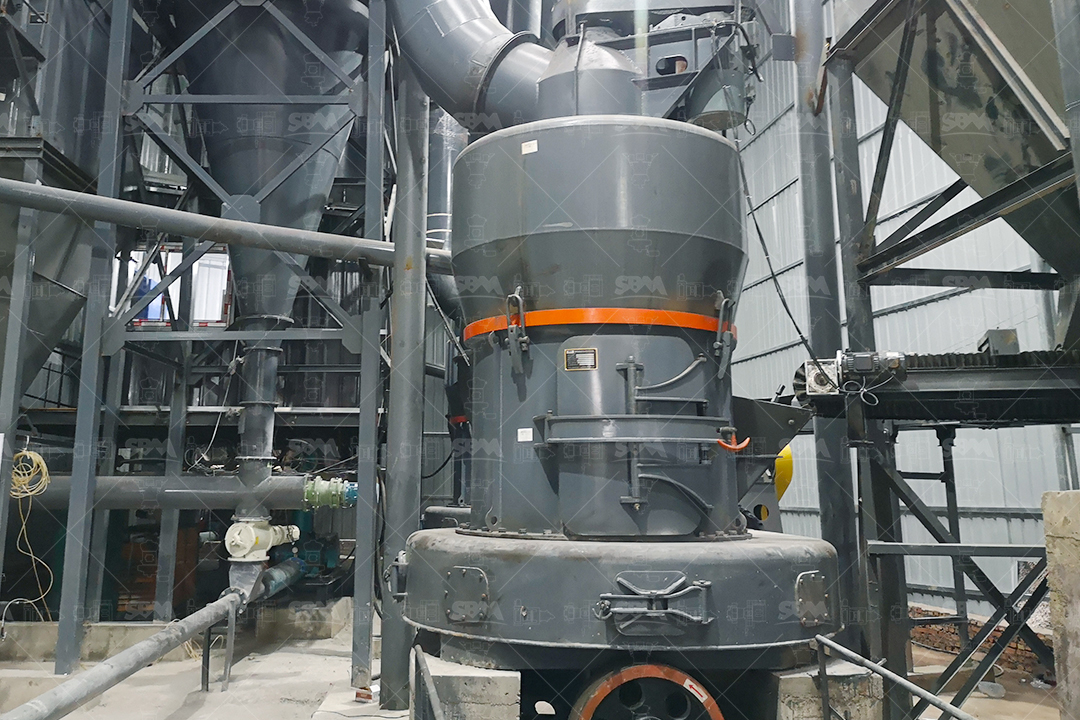
When specifying a screw conveyor for powdered materials, several technical parameters must be meticulously evaluated. The powder's bulk density, abrasiveness, angle of repose, and tendency to aerate or compact are primary drivers. For abrasive materials like ground slag or heavy calcium carbonate, conveyor components require hardened or specially coated surfaces to resist wear. Here, the synergy with the grinding mill is evident: a mill with a unique wear-proof design, such as combined-type shovel blades or specially hardened rollers and rings, reduces the generation of overly sharp or irregular particles that accelerate conveyor wear. Furthermore, the capacity of the conveyor must be matched to the mill's output. A mill with a stable output of 40tph requires a conveyor system designed to handle that throughput continuously, with appropriate safety margins to prevent bottlenecks.
Operational reliability and maintenance accessibility are paramount. A common pain point is unscheduled downtime due to conveyor jamming or component failure. Selecting a conveyor with a robust design—appropriate shaft size, high-quality bearings, and easily replaceable wear parts—is essential. This philosophy mirrors the design principles seen in advanced grinding mills, where features like inner oil absorption lubrication systems and accessible wearing parts are prioritized to reduce maintenance time and operating costs. The goal is to create a production line where both the mill and the conveyor share similar reliability standards, ensuring synchronized uptime.
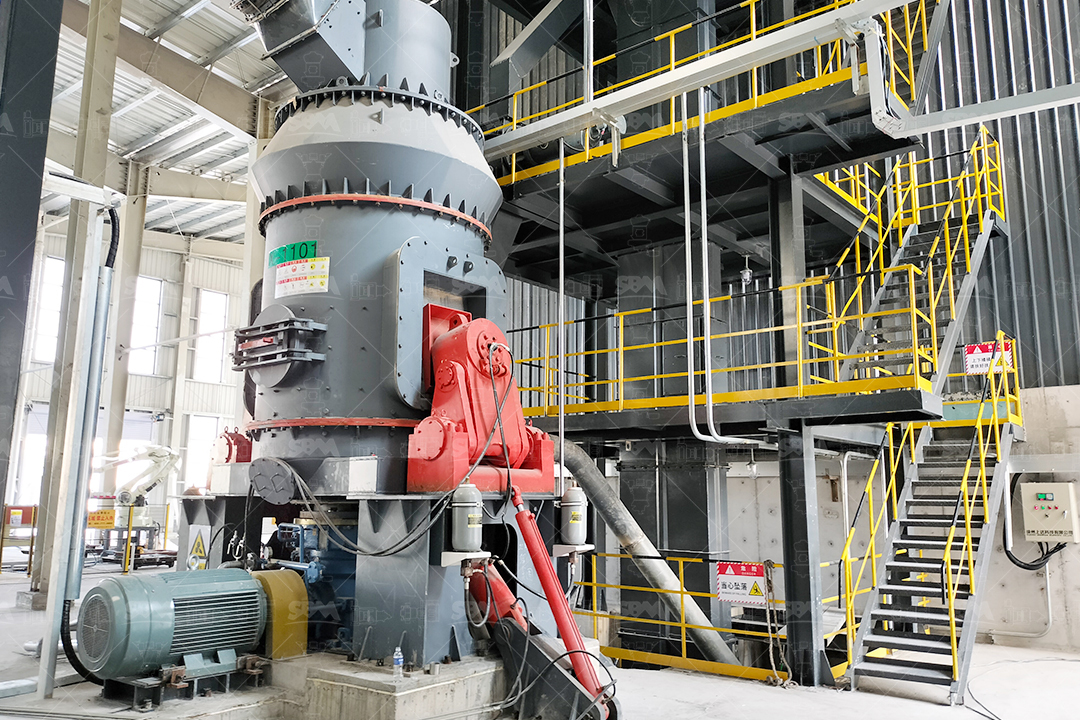
Environmental and safety considerations are non-negotiable in modern plants. Powder spillage creates housekeeping issues, product loss, and potentially hazardous dust clouds. Fully enclosed screw conveyors are the standard, but their effectiveness depends on the system operating under negative pressure. This is another area where mill design influences downstream choices. Modern mills, such as ultrafine vertical mills, are designed as fully sealed systems operating under negative pressure, preventing dust escape at the source. Integrating such a mill with an equally sealed conveyor system ensures total dust containment from the grinding chamber to the discharge point, meeting stringent environmental standards and protecting worker health.
Finally, the control and automation level of the material handling system should align with the grinding process. An intelligently controlled mill with an automated feedback system for product fineness and output benefits from a conveyor system that can be integrated into the same control scheme. Parameters like conveyor speed can be adjusted in response to mill output signals, optimizing material flow and energy use across the entire line. This holistic approach to system design—viewing the mill and conveyor not as isolated units but as interconnected components of a single process—is key to unlocking maximum productivity, minimal waste, and lower long-term operational costs in powder plant operations.
Frequently Asked Questions (FAQs)
Q1: Our current screw conveyor frequently jams when handling fine powders like limestone. Is this a conveyor issue or could it be related to the grinding process?
A: While conveyor design (e.g., pitch, shaft size) is a factor, jamming is often a symptom of upstream issues. Inconsistent particle size or high moisture content from the mill can cause powders to compact or bridge. Ensuring your grinding mill has effective drying and produces a consistent, free-flowing product is the first step to resolving jamming.
Q2: We experience rapid wear on conveyor flights when conveying abrasive minerals. How can we extend component life?
A: Specify conveyors with hardened or wear-resistant coatings. More importantly, evaluate your grinding mill's output. A mill that utilizes advanced, low-wear technology (like curved shovel blades or high-durability rollers) can produce a less aggressively abrasive particle shape, significantly reducing wear on downstream equipment like conveyors.
Q3: Dust leakage from conveyor joints is a major housekeeping and safety concern. What is the solution?
A: Opt for fully enclosed, gasketed conveyor troughs. For maximum effectiveness, ensure the entire system, starting with the grinding mill, operates under negative pressure. Modern mills are designed as sealed systems, which helps contain dust at the source and makes downstream containment in the conveyor network more manageable and effective.
Q4: How do we properly size a screw conveyor to match a new high-capacity grinding mill?
A: Conveyor sizing must be based on the mill's maximum output (e.g., tph), the powder's bulk density, and the required conveying distance and incline. Always consult with engineering specialists, providing them with the exact material specifications from your mill's output. Undersizing the conveyor will create a bottleneck that limits your mill's productivity.
Q5: Can the screw conveyor be automated to respond to changes in the mill's output?
A> Yes, and it is recommended for optimized systems. By integrating the conveyor's drive controls with the mill's PLC/DCS automation system, the conveyor speed can be modulated based on the mill's real-time output signal. This prevents overfilling, optimizes power consumption, and creates a more stable, efficient material flow.


