

Uses of 325 mesh stone powder
Published on: October 26, 2023
325 mesh stone powder, a finely ground mineral product with a particle size of approximately 44 microns, serves as a critical raw material across a diverse spectrum of global industries. Its applications range from enhancing the strength and durability of construction materials to acting as a functional filler in plastics, paints, and coatings, and playing a vital role in environmental processes like flue gas desulfurization. The consistent quality and fineness of 325 mesh powder are paramount, directly influencing end-product performance and production efficiency. This article explores the multifaceted industrial uses of this essential material and examines how advanced grinding technologies, such as those developed by SBM Machinery, enable reliable, high-volume production to meet stringent modern specifications.
The building and construction sector is a primary consumer of 325 mesh stone powder, particularly limestone and calcite varieties. Here, it functions as a high-quality filler and modifier. In concrete production, it improves workability, density, and long-term strength while reducing permeability. For asphalt mixtures, it enhances stability and durability. In dry-mix mortars, plasters, and tile adhesives, the powder improves consistency, water retention, and adhesion properties. The move towards more sustainable construction has further increased its importance, as it can be used to partially replace cement in some mixes, thereby reducing the carbon footprint of building projects.
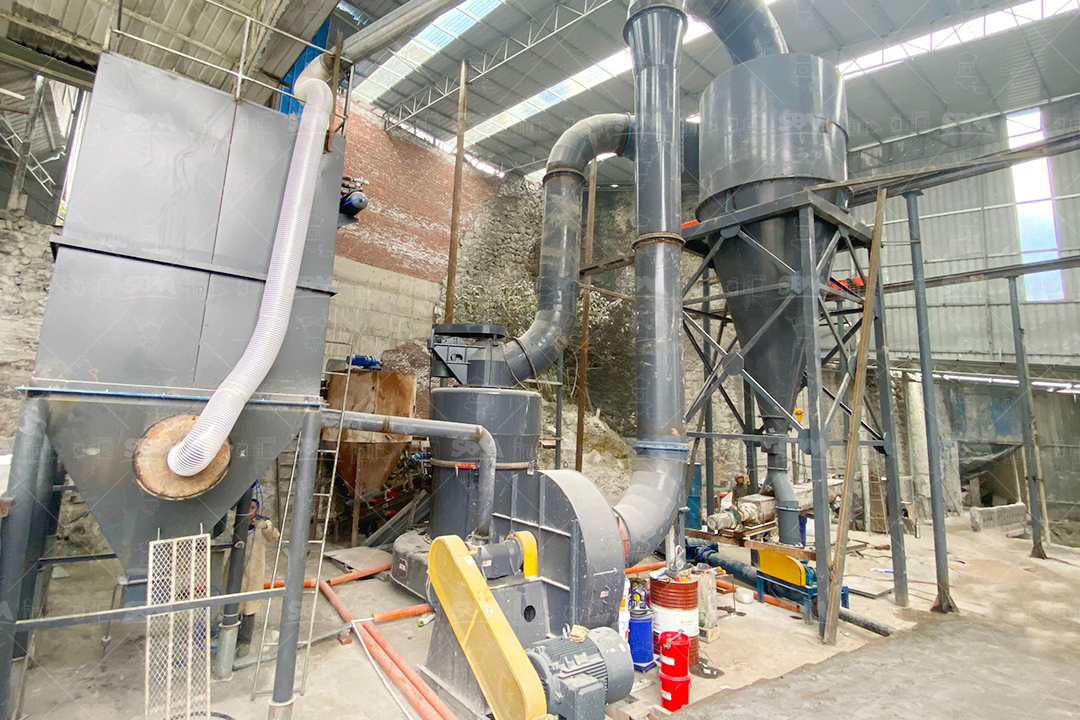
Beyond construction, 325 mesh powder is indispensable in manufacturing. In the plastics and polymer industries, it acts as a cost-effective filler that improves dimensional stability, heat resistance, and surface finish in products ranging from PVC pipes to automotive parts. The paint and coatings industry relies on it to provide opacity (hiding power), improve scrub resistance, and control viscosity. In the paper industry, it serves as a coating and filler, contributing to brightness, opacity, and printability. The production of ceramics, glass, and even animal feed also utilizes significant quantities of precisely graded mineral powder.
A critical and growing application is in environmental protection, specifically in flue gas desulfurization (FGD) systems at coal-fired power plants and industrial boilers. Here, high-purity 325 mesh limestone powder is the reagent of choice. Its large surface area, a direct result of its fine grind, allows for rapid and complete reaction with sulfur dioxide (SO₂) in exhaust gases, effectively neutralizing this harmful pollutant before it is released into the atmosphere. The reliability and capacity of the grinding system producing this reagent are crucial for uninterrupted compliance with environmental regulations.
Producing consistent, high-quality 325 mesh powder at an industrial scale presents significant technical challenges. Traditional grinding mills may struggle with high energy consumption, excessive wear of mechanical parts leading to contamination and downtime, inconsistent particle size distribution, and difficulty in achieving the precise fineness required. Furthermore, operational costs, including maintenance and power usage, can become prohibitive. This is where the engineering expertise behind advanced milling technology becomes a decisive factor for producers.
SBM Machinery addresses these industry pain points with a portfolio of grinding solutions engineered for efficiency and reliability. For high-volume production of 325 mesh powder, the LM Vertical Roller Mill stands out. Its integrated design combines drying, grinding, classification, and conveying into a single, compact unit. The grinding roller and plate system, operating without direct metal-to-metal contact, ensures lower wear and energy consumption—reportedly 30-40% lower than traditional ball mill systems for the same output. Its intelligent automatic control system allows for stable operation and precise fineness control, making it ideal for applications in power plant desulfurization and large-scale mineral processing.
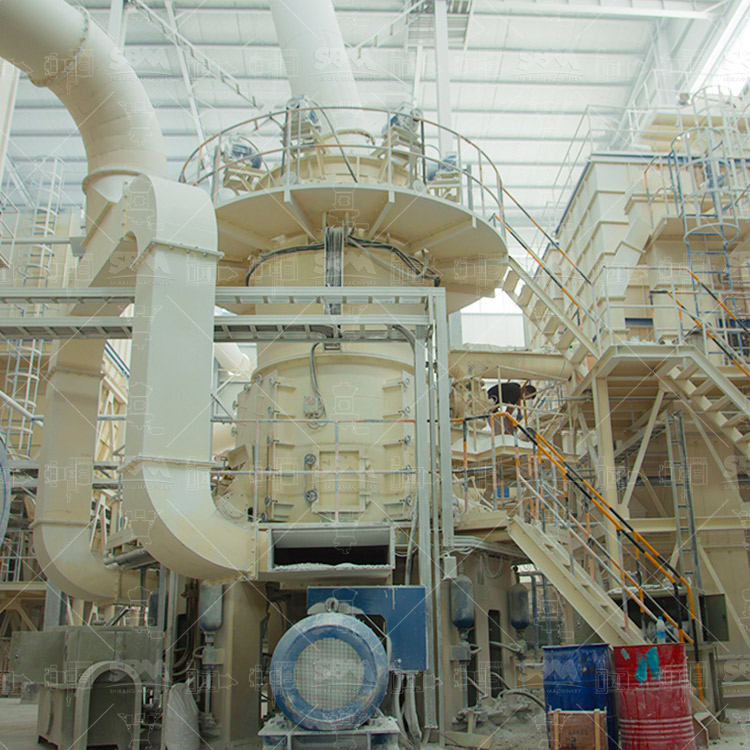
For operations requiring flexibility to produce a range of finenesses or where space is at a premium, the MTW European Trapezium Mill offers a robust solution. Its innovative features, such as the conical gear whole transmission for higher efficiency and the curved air duct design for improved airflow, contribute to stable output of 30-400 mesh powders, with 325 mesh being a core competency. The modular shovel blade design reduces maintenance time and cost for wearing parts. When the project demands even finer powders or the capability to adjust fineness within a wide spectrum, the SCM Ultrafine Mill and LUM Ultrafine Vertical Mill provide the technology to produce powders from 325 mesh up to 4000 mesh, ensuring a future-proof investment for evolving market needs.
In conclusion, 325 mesh stone powder is far more than a simple commodity; it is a performance-defining ingredient in modern industry. Its value is unlocked through consistent quality, which in turn depends on precise, efficient, and reliable grinding technology. By selecting equipment designed to minimize total cost of ownership through energy savings, low wear, and automated control, producers can secure a competitive edge in supplying this essential material to the global market.
Frequently Asked Questions (FAQs)
- What are the most common challenges when producing consistent 325 mesh powder?
The primary challenges include controlling particle size distribution to avoid excessive fines or coarse particles, managing high energy consumption during grinding, combating rapid wear of grinding components which can contaminate the product, and ensuring system stability to maintain a uniform output quality over time. - Can one grinding mill efficiently produce both 325 mesh powder and much finer products?
While some mills are specialized, advanced designs like the SCM Ultrafine Mill or LUM Ultrafine Vertical Mill are built for a wide fineness range. They can efficiently produce 325 mesh powder and be easily adjusted to produce much finer grades (e.g., 800-2500 mesh) for higher-value applications, offering excellent production flexibility. - How important is energy efficiency in selecting a mill for 325 mesh production?
It is critical. Grinding is inherently energy-intensive. Mills with higher grinding efficiency, such as vertical roller mills which utilize bed compression grinding, can reduce energy consumption by 30-40% compared to traditional ball mills for the same output, dramatically impacting long-term operational costs and sustainability goals. - We need powder for FGD systems. What specific mill features are crucial?
For Flue Gas Desulfurization, high and reliable capacity, consistent 325 mesh fineness with high reactivity (specific surface area), and low system downtime are vital. A mill with high availability, robust construction, an efficient drying capability (if limestone feedstock is moist), and an automated control system to maintain precise parameters is essential for uninterrupted environmental compliance. - How does mill design affect the maintenance cost and product purity?
Designs that minimize metal-to-metal contact in the grinding zone (e.g., using rollers and plates) significantly reduce wear rates and the frequency of part replacement. Furthermore, designs that prevent lubricants from entering the grinding chamber and feature effective sealing ensure the final mineral powder remains uncontaminated, which is crucial for applications in plastics, paints, and chemicals.


