

How to choose a cost-effective mill
Published: October 26, 2023
Selecting the right grinding mill is a critical decision that directly impacts operational efficiency, product quality, and long-term profitability. A truly cost-effective mill is not merely about the initial purchase price; it encompasses total cost of ownership, including energy consumption, maintenance requirements, wear part longevity, system integration, and final product suitability. This guide will navigate the key considerations—from raw material characteristics and target fineness to production capacity and site constraints—while highlighting how modern mill technologies from experienced providers like SBM Machinery are engineered to address these very challenges, transforming capital expenditure into a strategic investment for sustainable growth.
The journey to cost-effectiveness begins with a clear understanding of your material and process goals. Key parameters such as feed size, required product fineness (mesh size), desired hourly capacity, and material properties (e.g., moisture content, abrasiveness, hardness) form the non-negotiable foundation of your selection. A mill perfectly suited for coarse limestone grinding to 100 mesh for desulfurization would be a poor and inefficient choice for producing ultrafine barite powder at 2500 mesh for high-value fillers. Misalignment here leads to chronic underperformance, excessive wear, and spiraling operational costs.
Beyond basic specifications, the real differentiators in modern milling lie in design innovations that combat traditional pain points. Consider the perennial issue of wear part consumption. A mill that requires frequent, costly, and time-consuming replacement of major components like rollers and rings can cripple your operating budget and cause significant downtime. Advanced designs directly tackle this. For instance, the MTW Series European Trapezium Mill incorporates a unique combined-type shovel blade. This design allows for the replacement of only the worn blade segment instead of the entire assembly, drastically reducing spare parts cost and maintenance time. Furthermore, its curved blade design optimizes the feeding angle to prolong the service life of the grinding roller and ring.
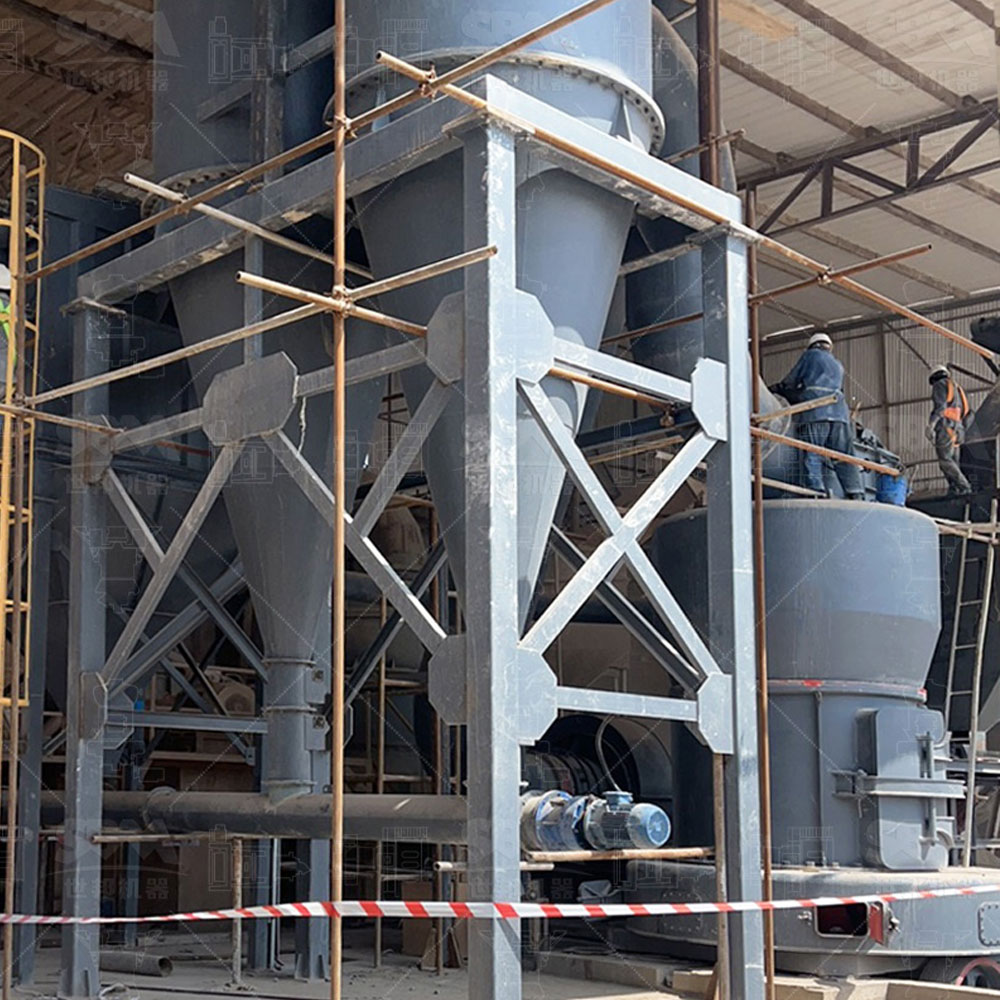
Energy efficiency is arguably the single largest contributor to operational cost. Traditional ball mills, while robust, are notorious for high specific energy consumption. Modern vertical roller mills and advanced trapezium mills are engineered for significant savings. The LM Vertical Roller Mill integrates crushing, drying, grinding, and separation into a single, compact unit. Its grinding principle—where rollers directly press on a rotating table—can reduce energy consumption by 30% to 40% compared to a traditional ball mill system. Its compact layout also saves approximately 50% in floor space, reducing civil construction costs.
For operations targeting the ultrafine powder market (325-4000 mesh), energy and precision are paramount. Here, specialized mills like the SCM Ultrafine Mill and LUM Ultrafine Vertical Mill offer distinct advantages. The SCM series achieves high output with energy consumption reported to be 30% lower than some jet mill technologies, while its intelligent control system ensures stable product conversion and reduces labor oversight. The LUM series, integrating advanced grinding roller and German-derived powder separation technology, emphasizes high primary grinding efficiency and precise particle size distribution, minimizing reprocessing and maximizing yield of high-value product.
System intelligence and environmental compliance are no longer luxuries but necessities for cost-effective and sustainable operation. An automated control system, as featured in both the LM and LUM series, is a force multiplier. It enables remote monitoring and control, ensures stable grinding parameters for consistent quality, optimizes energy use, and reduces the need for constant manual intervention, thereby saving on labor costs. From an environmental standpoint, modern mills are designed as closed, negative-pressure systems. This design, coupled with efficient pulse dust collectors, virtually eliminates dust spillage, ensures a cleaner workplace, avoids product loss, and guarantees emissions meet stringent international standards—preventing potential fines and shutdowns.
_1768980175605.jpg)
Ultimately, the most cost-effective choice is a mill that aligns precisely with your production roadmap and is backed by a provider with global application expertise. A supplier with a proven track record across diverse industries—from power generation and mining to chemicals and new energy materials—brings invaluable insight. They can recommend not just a machine, but a tailored solution, whether it's a standalone unit or a complete grinding system, ensuring all components work in harmony for peak efficiency. This holistic approach, focusing on lifetime value over initial cost, is the cornerstone of a truly strategic and profitable investment in grinding technology.
Frequently Asked Questions (FAQs)
A: Look for mills with patented wear-resistant designs. Key features include special material formulations for rollers/rings (like in our Ultrafine Mill), designs that minimize direct metal-to-metal contact (Vertical Roller Mills), and modular wear parts like the perching knife in the MTW Mill that allow for partial replacement instead of changing entire assemblies, significantly reducing spare part costs and downtime.
A: Consider upgrading to a grinding principle with higher efficiency. Vertical Roller Mills (LM Series) can reduce energy consumption by 30-40% compared to traditional ball mills for similar tasks. Also, ensure your mill has an advanced automatic control system to optimize running parameters in real-time and avoid energy waste.
A: Specialized ultrafine mills (SCM or LUM Series) are designed for this. They incorporate high-efficiency classifiers for precise particle size cuts, intelligent systems for stable operation, and grinding curves designed to form a stable material bed, improving first-pass yield and consistency while managing energy input effectively.
A: Absolutely. Modern vertical mill designs (LM Series) integrate multiple functions (drying, grinding, separation) into a single, vertical footprint, occupying about 50% of the space required by a traditional horizontal ball mill system. They can also be installed outdoors, further saving on building costs.
A: Choose equipment designed with environmental protection as a core feature. Modern mills from reputable manufacturers operate as fully sealed, negative-pressure systems, preventing dust escape. They are equipped with high-efficiency bag filter or pulse dust collectors and feature sound insulation designs to keep noise levels well within regulatory limits, ensuring compliant and worker-friendly operation.


