

Reducing wear on grinding rings & rollers
Published on: October 26, 2023
Excessive wear on grinding rings and rollers is a primary driver of operational downtime, maintenance costs, and inconsistent product quality in powder processing. Addressing this universal challenge requires a holistic approach that combines innovative mill design, advanced materials, and intelligent system integration. This article explores the engineering principles and specific technological solutions that directly target wear reduction, leading to enhanced equipment longevity, predictable maintenance schedules, and significantly lower total cost of ownership across various industrial applications.
The relentless abrasion between grinding rollers and their corresponding rings or tables is an inherent aspect of size reduction. However, the rate and impact of this wear are not fixed. They are heavily influenced by equipment design, operational parameters, and material characteristics. Traditional designs often lead to uneven wear patterns, premature failure of critical components, and frequent, costly shutdowns for parts replacement. The financial and productivity implications extend far beyond the cost of the spare parts themselves, encompassing lost production time, labor for replacement, and potential quality deviations during run-out periods.
Modern mill engineering directly confronts these issues through targeted innovations. A prime example is the MTW Series European Trapezium Grinding Mill. Its core advantage lies in a unique wear-proof perching knife (shovel blade) design. Unlike conventional fixed designs, its combined-type curved shovel blades are engineered to optimize the feeding angle of material onto the grinding table. This precise material guidance ensures a more stable grinding bed, reduces slippage, and minimizes direct, abrasive impact on the roller and ring surfaces. The result is a dramatically prolonged service life for these high-wear components. Furthermore, maintenance is simplified as only the shovel blade itself needs replacement, not the entire feeder assembly, reducing both part costs and downtime.
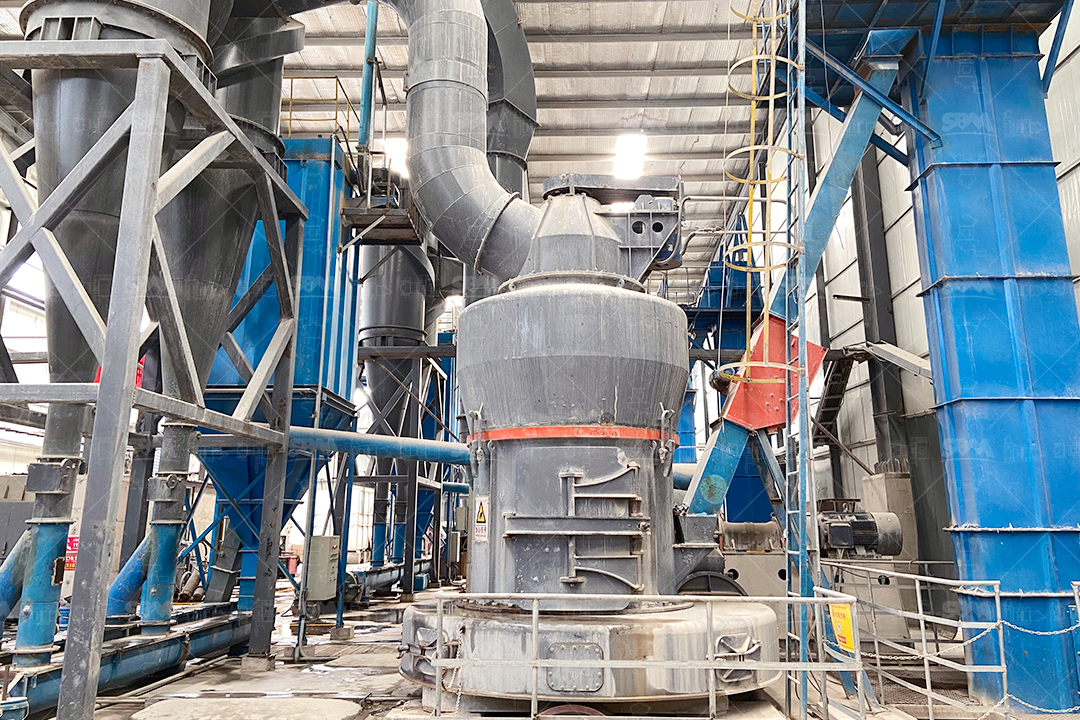
For operations demanding higher capacity and integrated processing, Vertical Roller Mills (VRMs) like our LM series present a paradigm shift in wear management. The fundamental principle of material bed grinding, where rollers compress and shear material against a rotating table, inherently promotes lower wear rates compared to impact-based systems. Key to this is the non-contact design between the roller and the grinding table during idle operation. Additionally, these critical components are manufactured from specially formulated, high-chromium cast iron or other advanced alloys that offer superior hardness and fracture toughness. The synergy of the grinding principle and premium materials translates into exceptional durability, with wear life often several times that of conventional ball mill liners and grinding media under similar conditions.
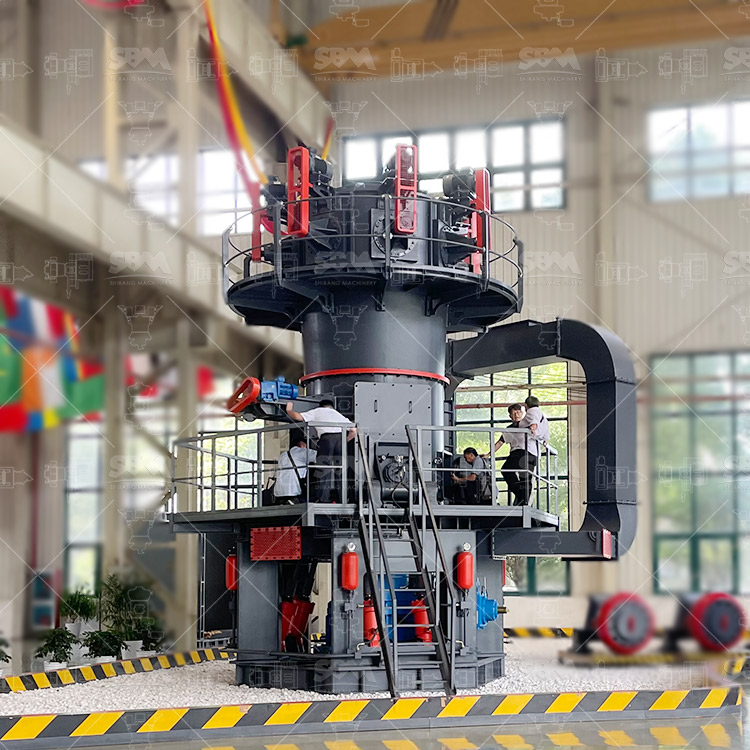
When the application calls for ultrafine grinding, wear considerations become even more critical due to the extended grinding times and finer tolerances. The SCM Ultrafine Mill and LUM Ultrafine Vertical Mill address this with a focus on heavy-duty rotor construction and specialized material selection. The rollers and rings in these mills are crafted from proprietary materials developed through extensive R&D to withstand the extreme micro-abrasion of processing materials to 2500 mesh and beyond. The LUM series, in particular, incorporates a meticulously calculated grinding curve for both the roller shell and the lining plate. This geometry is not arbitrary; it is derived from ultrafine pulverization dynamics to promote stable material bed formation from the first pass, thereby distributing grinding forces evenly and reducing localized, accelerated wear.
Beyond mechanical design, intelligent control systems play an increasingly vital role in wear mitigation. Modern mills from SBM are equipped with expert automatic control systems (PLC/DCS). These systems maintain optimal and consistent grinding pressure—a critical variable. Excessive pressure accelerates wear, while insufficient pressure reduces throughput and efficiency. By automating this balance, the system ensures the mill operates continuously at its most efficient and least abrasive point. Features like frequency conversion control for classifiers and mill drives allow for precise tuning to material characteristics, further optimizing the process to minimize unnecessary mechanical stress on the grinding components.
The operational environment also contributes to component lifespan. Our mill designs incorporate fully sealed systems operating under negative pressure. This prevents the escape of fine abrasive dust into the machinery spaces where it could infiltrate bearings, transmission gears, and lubrication systems. Contaminated lubrication is a silent killer of precision components. The inner oil absorption lubrication system, as featured in the MTW Mill, ensures clean, reliable lubrication to moving parts, preventing wear that could lead to misalignment and secondary damage to grinding elements.
In conclusion, reducing wear on grinding rings and rollers is not about finding a single miracle material, but about implementing a cohesive system of intelligent design, robust engineering, and smart control. From the geometry of a shovel blade to the algorithm controlling grinding pressure, every aspect is an opportunity to extend operational life. By investing in technology that addresses the root causes of wear, operators can transition from a reactive, high-cost maintenance cycle to a predictable, low-intervention operational model, ensuring consistent product quality and superior long-term profitability.
Frequently Asked Questions (FAQs)
Q1: What are the most common signs that our grinding rings or rollers need replacement, and how can we predict this better?
A: Common signs include a steady drop in mill output (tons/hour), a consistent increase in specific energy consumption (kWh/ton), a gradual loss of product fineness control, and increased vibration or unusual noise. Implementing predictive maintenance through regular vibration analysis, lubricant oil monitoring, and tracking operational performance trends against baseline data can provide early warnings, allowing for planned replacements during scheduled stops.
Q2: We process highly abrasive materials. Are there custom material options for rings and rollers?
A: Yes. While our standard mills use high-performance alloys, we offer specialized material grades for extremely abrasive applications. These can include enhanced high-chromium cast irons or ceramic-metal composite materials. Our engineering team can recommend the optimal material based on your specific feedstock analysis to maximize wear life.
Q3: How does the "non-contact" feature in Vertical Roller Mills actually reduce wear?
A: When the mill is running without feed material, the hydraulic system can retract the grinding rollers slightly so they do not touch the grinding table. This eliminates metal-to-metal contact and dry grinding during start-up, shutdown, and any accidental interruption in feed—all scenarios that cause rapid, severe wear in traditional designs.
Q4: Can older mill models be retrofitted with these wear-reduction technologies?
A> In many cases, yes. Key upgrades can include retrofitting advanced control systems to optimize grinding pressure, upgrading classifier technology to improve efficiency and reduce recirculation of fine abrasive material, and replacing standard wear parts with our latest design shovel blades or roller/ring material compositions. A site-specific assessment by our service engineers is recommended.
Q5: Beyond the parts themselves, what operational best practices can we adopt to minimize wear?
A: Critical practices include: ensuring consistent and appropriate feed size (as per mill specification), maintaining stable and optimal feed rates to preserve a stable material bed, regularly inspecting and cleaning seals to prevent abrasive dust ingress, and adhering strictly to the recommended lubrication schedule and oil specifications. Operator training on the relationship between process parameters and mechanical wear is also highly beneficial.


