

Uses of calcium hydroxide & suitable mills
Published on: October 26, 2023
Calcium hydroxide, a versatile chemical compound with widespread industrial applications, requires precise and efficient grinding solutions to meet varying fineness and capacity demands. From water treatment and construction to chemical synthesis and environmental remediation, the performance of calcium hydroxide directly depends on the milling technology employed. This article explores the key industrial uses of calcium hydroxide and provides a technical guide to selecting the optimal grinding equipment, drawing on the expertise and advanced engineering of SBM Machinery's proven mill portfolio. We will analyze how different mill types—from vertical roller mills to ultrafine grinding systems—address specific production challenges, enhance operational efficiency, and ensure consistent product quality for this essential material.
Calcium hydroxide (Ca(OH)₂), commonly known as slaked lime, is a critical intermediate in numerous processes. In construction, it is used in mortars, plasters, and soil stabilization. In water and wastewater treatment, it serves as a flocculant and pH adjuster. The chemical industry utilizes it in the production of calcium stearate, bleaching powder, and other compounds. For environmental applications, it is a key agent in flue gas desulfurization (FGD) to remove sulfur dioxide. In agriculture, it amends soil pH. Each application has distinct requirements for the powder's particle size distribution, purity, and reactivity, which are fundamentally determined by the grinding process.
Selecting the wrong mill can lead to several operational headaches: inconsistent fineness, low throughput, high energy consumption, excessive wear part costs, and dust emission issues. Therefore, matching the mill's capabilities to the specific grade of calcium hydroxide being produced is paramount.
Matching Mill Technology to Application Requirements
For large-scale production of coarse to medium-fine calcium hydroxide (e.g., for construction or FGD sorbent preparation), high capacity and robust operation are key. The MTW Series European Trapezium Grinding Mill is an excellent choice. Its advanced design, featuring cone gear whole transmission and an inner oil absorption lubrication system, ensures stable, high-output operation with reduced maintenance. The unique curved shovel blade design minimizes wear on the roller and ring, directly lowering operating costs for high-tonnage applications. Its output range of 30-400 mesh perfectly covers the typical requirements for these industrial uses.
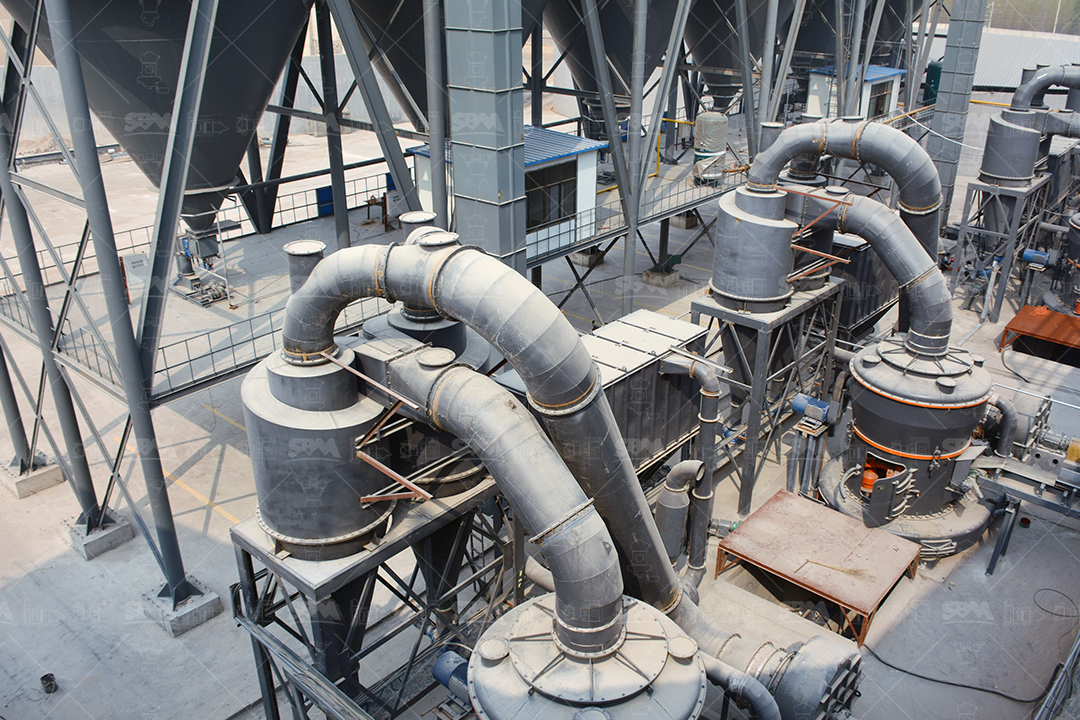
When energy efficiency and integrated processing are critical, especially for producing finer grades, the LM Vertical Roller Mill stands out. It integrates drying, grinding, and classification in a single unit, reducing the plant footprint by up to 50% compared to traditional systems. Its grinding principle, where rollers compress material on a rotating table, results in energy savings of 30-40%. This makes it ideal for producing consistent, dry calcium hydroxide powder where moisture control is also a factor. Its wide capacity range (up to 400tph) and automatic control system make it suitable for modern, automated production lines.
For high-value, ultra-fine calcium hydroxide products used in specialized chemical, pharmaceutical, or advanced material applications, fineness control is non-negotiable. The SCM Ultrafine Mill is engineered for this purpose. Capable of achieving a fineness range from 325 to 2500 mesh (with D97 ≤5μm), it delivers precision grinding. Its high-output, low-energy-consumption design, featuring a heavy rotor and efficient turbine classifier, ensures economic production of premium-grade powders. The fully sealed system with efficient dust collection guarantees a clean working environment, which is essential for high-purity products.
Taking ultrafine grinding a step further in terms of stability and intelligence is the LUM Ultrafine Vertical Mill. It combines advanced grinding roller and German powder separation technology. Its intelligent PLC/DCS control system allows for precise adjustment of grinding pressure and classifier speed, enabling customized fineness with exceptional stability. This mill is particularly suited for producing ultrafine and nano-grade calcium hydroxide where batch-to-batch consistency is paramount. Its environmentally friendly design with minimal vibration and noise aligns with high-standard production facilities.
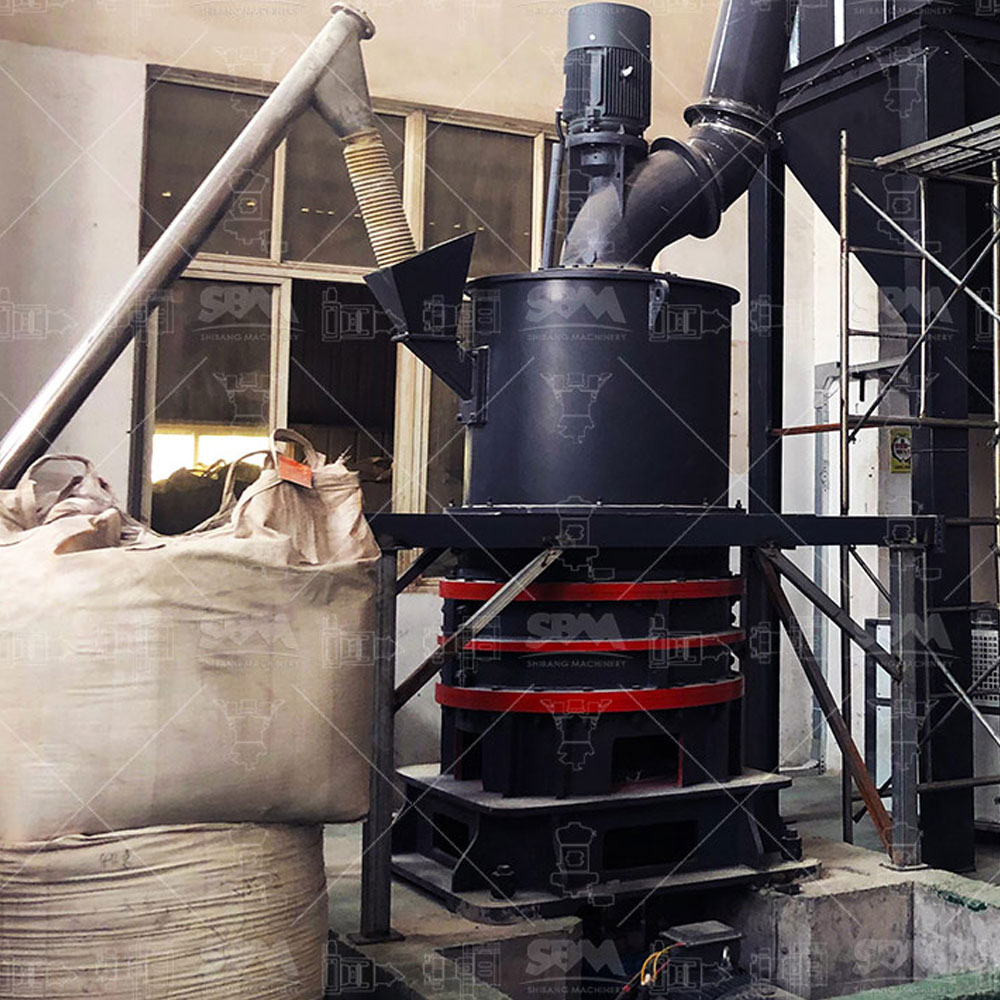
Finally, for traditional but reliable grinding, especially where wet processing is involved or for certain mineral dressing steps requiring calcium hydroxide slurry, the optimized Ball Mill remains a viable solution. Modern designs have addressed historical concerns about wear and energy use through improved linings and grinding media. It is a workhorse for specific applications where its grinding mechanism is most effective.
Conclusion
The effective utilization of calcium hydroxide across industries is inextricably linked to advanced grinding technology. By understanding the fineness, capacity, energy, and environmental requirements of your end product, you can select a mill that transforms a common chemical into a high-performance material. SBM Machinery's diverse portfolio, backed by global experience serving over 180 countries, offers tailored solutions from coarse grinding to ultrafine processing, ensuring your calcium hydroxide production is efficient, consistent, and competitive.
Frequently Asked Questions (FAQs)
1. We need to produce calcium hydroxide for flue gas desulfurization. Our main pain points are high wear part replacement costs and unstable fineness affecting reactivity. Which mill is most suitable?
The MTW European Trapezium Mill is highly recommended for FGD sorbent preparation. Its patented wear-proof shovel blade and roller/ring design significantly extend service life, reducing downtime and spare parts costs. The stable grinding zone and efficient classification ensure a consistent product in the 200-400 mesh range, which is optimal for high-surface-area, reactive sorbent material.
2. Our goal is to produce ultrafine calcium hydroxide (over 1250 mesh) for a specialty chemical, but jet mills are too energy-intensive for our volume. Is there an alternative?
Absolutely. The SCM Ultrafine Mill provides an excellent alternative. It delivers fineness up to 2500 mesh but with energy consumption approximately 30% lower than comparable jet mill systems. Its mechanical grinding principle offers higher capacity and better control over particle size distribution for chemical applications.
3. We are planning a new calcium hydroxide line and are concerned about high initial investment and large factory space requirements.
Consider the LM Vertical Roller Mill. Its integrated design (crushing, drying, grinding, separation) simplifies the system, reducing the number of auxiliary equipment needed. It occupies about 50% less floor space than traditional ball mill systems and can often be installed outdoors, substantially lowering civil engineering and overall project investment costs.
4. Dust pollution and noise are major concerns for our plant's environmental compliance. Do your mills address this?
Yes, environmental protection is a core design feature. Our LUM Ultrafine Vertical Mill and SCM Ultrafine Mill, for example, operate under fully sealed, negative-pressure conditions, preventing dust spillover. They are also equipped with advanced pulse dust collectors and sound insulation technology, ensuring emissions and noise levels meet stringent national and international standards.
5. We require different fineness grades of calcium hydroxide from the same production line to serve multiple customers. How can we achieve flexible switching without major downtime?
Mills with advanced, intelligent classifier systems are key. The LUM Ultrafine Vertical Mill with its multi-rotor powder classifier and the SCM Mill with its vertical turbine classifier allow for quick and precise adjustment of fineness through the control system (often just a parameter change on the PLC). This enables rapid product changeover with minimal manual intervention, maximizing line flexibility and uptime.


