

Where to buy 500 mesh talc mills?
Published on: October 26, 2023
Finding a reliable supplier for a 500 mesh talc grinding mill involves more than just locating a vendor. It requires identifying a partner with proven expertise in fine powder processing, robust equipment engineering, and global support capabilities. For producers seeking consistent, high-yield talc powder in the 500-mesh range (approximately 25-30 microns), the choice of mill technology—be it advanced vertical roller mills, European-style trapezium mills, or specialized ultrafine systems—directly impacts product quality, operational cost, and long-term profitability. This article explores the critical technical considerations for sourcing such equipment and highlights how Shanghai SBM Machinery's integrated solutions address the core challenges of modern talc processing.
The journey to 500-mesh talc begins with understanding the material's properties and the demands of end-use markets. Talc, a soft magnesium silicate mineral, requires milling equipment that can achieve fine particle size distribution without excessive heat generation or contamination. The target of 500 mesh sits at a crucial intersection: it is fine enough for high-value applications in plastics, paints, and cosmetics, yet it must be produced efficiently to remain cost-competitive. Many traditional ball mills or basic Raymond mills struggle here, often resulting in inconsistent fineness, high energy consumption, or unacceptable wear rates on grinding components.
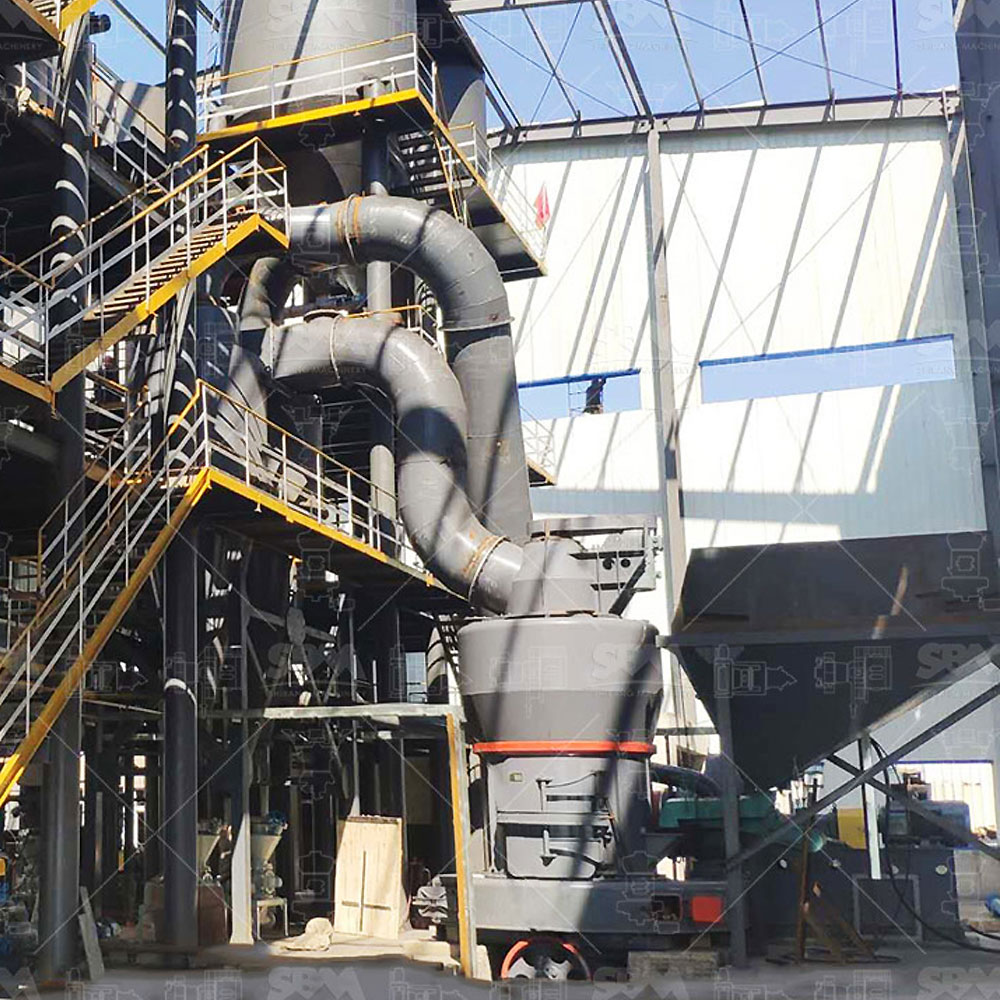
This is where engineered solutions like SBM's MTW Series European Trapezium Grinding Mill demonstrate their value. Developed from extensive R&D and feedback from thousands of global clients, this mill is engineered for precisely this kind of application. Its cone gear whole transmission system ensures stable, efficient power delivery, while the innovative curved shovel blade design minimizes wear-part replacement costs—a common pain point in continuous talc production. For 500-mesh output, the mill's efficient internal classification and arc air duct design ensure precise particle size control and effective material transport, directly addressing the twin challenges of yield consistency and system clogging.
However, for operations prioritizing space efficiency, integrated drying, or even higher capacity, the LM Vertical Roller Mill presents a compelling alternative. By integrating crushing, grinding, drying, and separation into a single, compact unit, it reduces the plant footprint by up to 50% compared to traditional systems—a significant advantage for facilities with space constraints. Its grinding principle, where rollers compress material on a rotating table, is inherently more energy-efficient for fine grinding, often reducing specific energy consumption by 30-40%. For talc that may contain residual moisture, its integrated drying capability is a decisive benefit, eliminating the need for a separate drying step and streamlining the entire process flow from raw mineral to packaged powder.
When future-proofing an investment is a priority, looking towards ultrafine technology is wise. While 500 mesh is the immediate goal, market trends increasingly demand even finer grades. SBM's SCM Ultrafine Mill and LUM Ultrafine Vertical Roller Mill are designed with this scalability in mind. The SCM series can produce powder from 325 to an exceptional 2500 mesh, offering immense flexibility. Its heavy-duty rotor design and special material rollers provide exceptional durability against the abrasive nature of mineral grinding. The LUM model takes vertical roller technology to the ultrafine realm, incorporating advanced German powder-separating technology. Its multi-rotor classifier allows for exceptionally sharp particle cuts, ensuring the 500-mesh product contains minimal oversize or undersize material, which is critical for premium talc applications like cosmetics or food-grade products.
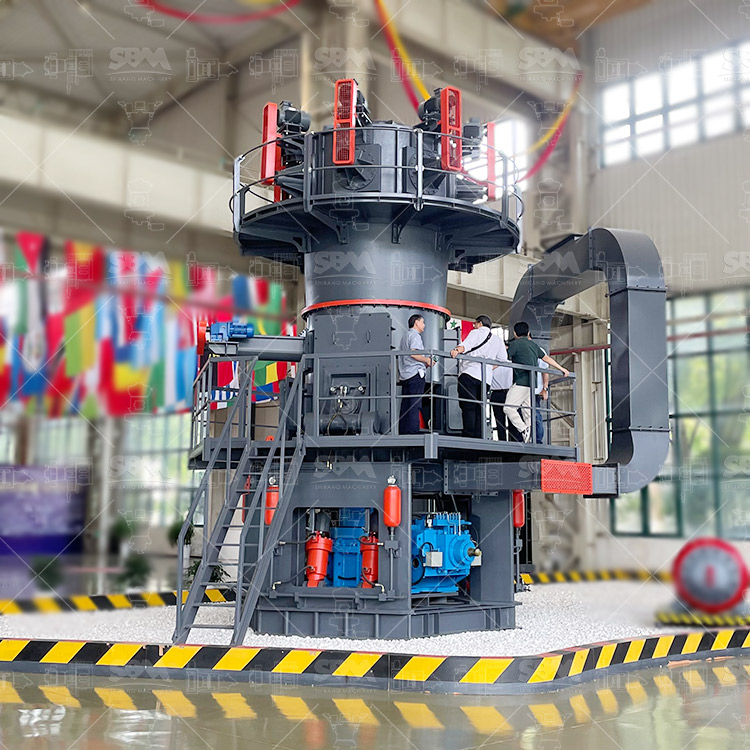
Beyond the machine itself, sourcing a 500 mesh talc mill requires evaluating the supplier's holistic capabilities. A true solution provider assists with everything from initial mineral testing and process layout to installation, training, and long-term spare parts support. With a history of serving clients in over 180 countries across mining, chemicals, and building materials, a company like SBM Machinery brings this essential global application experience. They understand that a mill is part of a larger system, and their expertise spans the entire mineral processing workflow. This ensures the selected mill—whether it's the high-capacity LM Vertical Mill or the precision-focused LUM Ultrafine Vertical Mill—is optimally integrated into your plant for reliable, sustainable production.
Ultimately, the decision on where to buy is not just about purchasing a piece of machinery; it's about forming a partnership for your powder processing future. It involves selecting technology that balances immediate 500-mesh needs with future product flexibility, from a partner committed to lowering your total cost of ownership through energy efficiency, wear resistance, and intelligent automation. The right supplier will provide the engineering support to tailor the solution, ensuring your talc grinding operation is not only productive today but also adaptable to the market demands of tomorrow.
Frequently Asked Questions (FAQs)
1. We often experience rapid wear of grinding rollers and rings when processing abrasive minerals like talc. How do your mills address this?
Our mills, such as the MTW and LUM series, feature wear-proof designs using special, high-durability materials for rollers and rings. The MTW's curved shovel blade design also changes the feeding angle to reduce direct impact abrasion, significantly extending service life and reducing the frequency and cost of parts replacement.
2. Our current mill struggles to achieve a consistent 500-mesh fineness; the product often has too many coarse particles. How is particle size control ensured?
Precise classification is key. Our vertical roller mills and ultrafine mills incorporate advanced, adjustable powder classifiers (like the multi-rotor system in the LUM mill). These systems provide accurate particle size cuts, ensuring a tight fineness distribution at 500 mesh with minimal coarse powder spillover.
3. Energy costs are a major concern. Are these mills more efficient than traditional ball mills for fine talc grinding?
Yes, significantly. Technologies like the LM Vertical Roller Mill utilize a bed-compression grinding principle, which is far more energy-efficient than the impact/friction of ball mills. Documented savings of 30% to 40% in energy consumption are common, directly lowering your operating costs per ton of talc produced.
4. We have limited factory space. Can these grinding systems be installed compactly?
Absolutely. Vertical roller mills are specifically designed for a small footprint. The LM model, for example, integrates multiple functions into one unit, requiring about 50% less floor space than a traditional ball mill system and can even be arranged outdoors, saving valuable indoor space.
5. Dust control and noise are critical for our plant's environmental and worker safety standards. How do your mills perform?
Environmental protection is a core design principle. Our mills operate under fully sealed, negative-pressure systems, preventing dust spillover. They are also engineered for low vibration and noise, often equipped with sound insulation and efficient pulse dust collectors that meet stringent international emission standards.


