

How to produce putty powder
Published on: October 26, 2023
Producing high-quality putty powder requires a precise understanding of raw material preparation, grinding technology, and system integration to achieve the desired fineness, consistency, and performance characteristics. This article provides a professional overview of the putty powder manufacturing process, focusing on the critical role of advanced grinding equipment in overcoming common production challenges such as inconsistent particle size, high energy consumption, and environmental compliance. By examining modern milling solutions—from vertical roller mills to ultrafine grinding systems—manufacturers can optimize their operations for efficiency, product quality, and long-term sustainability.
The foundation of superior putty powder lies in the selection and processing of raw materials, primarily calcium carbonate (both ground and precipitated), talc, and other functional fillers. The transformation of these materials into a fine, homogeneous powder is the core of the production line. Traditional methods often relied on basic ball mills, which, while functional, presented significant drawbacks in energy efficiency, particle size control, and wear part maintenance. Today's industry demands more sophisticated, integrated solutions that deliver precise fineness, often ranging from 200 to 400 mesh for standard applications, with ultrafine grades reaching beyond 2500 mesh for specialized products.
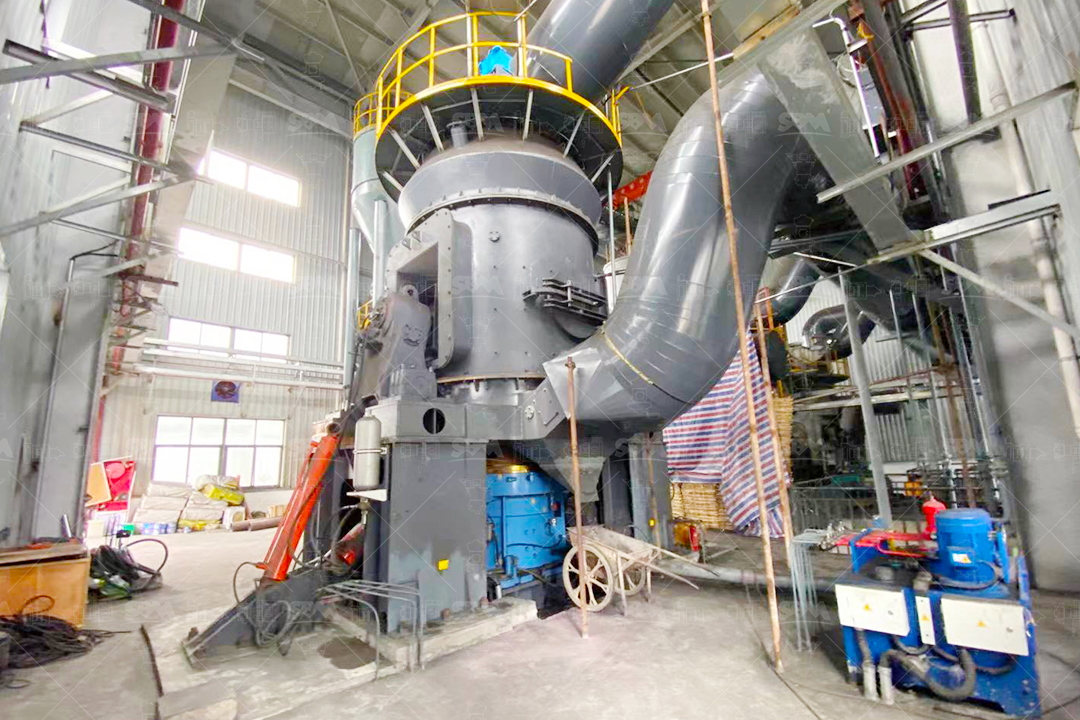
At the heart of a modern putty powder production line is the grinding mill. The choice of equipment directly impacts every aspect of the final product and operational economics. For large-scale production of standard fineness putty powder, the Vertical Roller Mill (VRM) has emerged as a mainstream solution. Its integrated design combines drying, grinding, classification, and conveying into a single, compact unit. A key advantage is its significantly lower energy consumption—often 30-40% less than traditional ball mill systems. The grinding principle, where rollers press against a rotating table, allows for efficient particle size reduction with minimal direct metal-to-metal contact, leading to reduced wear and longer component life. The system operates under negative pressure, ensuring a dust-free environment and meeting stringent environmental standards.
For producers targeting higher-value, ultra-smooth putty formulations requiring exceptional fineness and whiteness, Ultrafine Grinding Mills are indispensable. These mills, such as the SCM series, are engineered to produce powders in the range of 325 to 4000 mesh. They employ advanced classification technology to ensure precise particle size distribution with no coarse powder spillover. This is critical for putty powder, as ultrafine particles improve suspension, workability, and the final surface finish. Furthermore, their design often incorporates high-efficiency powder collectors and advanced sound insulation, addressing both dust emission and noise pollution concerns—common pain points in powder processing plants.
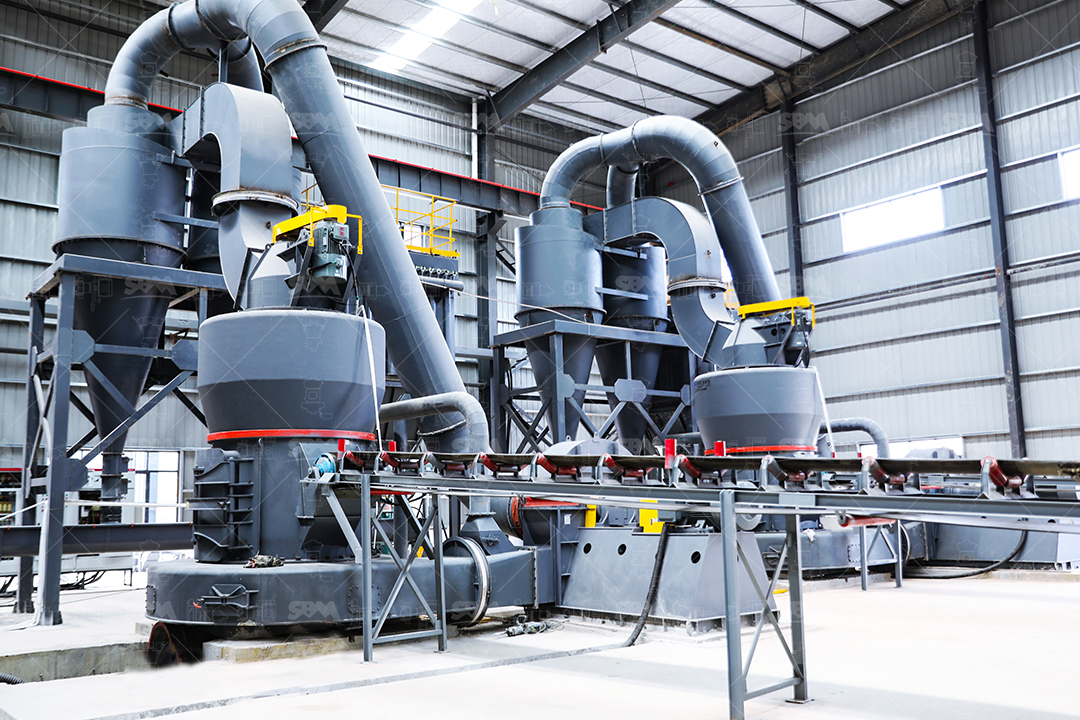
Another versatile option is the European Trapezium Mill (MTW Series). This mill is renowned for its reliability and cost-effectiveness in producing medium-fineness powders. Innovations like the cone gear whole transmission improve mechanical efficiency and stability, while the arc air duct design optimizes airflow and reduces energy loss. Its combined-type shovel blade design is a notable feature for cost control, as only the blade tip needs replacement during maintenance, minimizing downtime and spare parts inventory. This makes it a robust choice for continuous, high-volume production of quality putty powder.
System design and automation are equally crucial. A well-planned putty powder production line is more than just a mill; it includes coordinated components like feeders, classifiers, dust collectors, and packing machines. Implementing an expert automatic control system allows for remote monitoring and operation, stabilizing key parameters such as grinding pressure, feed rate, and classifier speed. This intelligence directly translates to consistent product quality, reduced labor costs, and the ability to quickly adjust between different product specifications. The goal is to create a seamless, efficient workflow from raw material intake to bagged finished product.
Ultimately, successful putty powder production hinges on selecting the right technological partner—one that provides not just equipment but a total solution. This includes comprehensive support from process design and layout planning to installation, commissioning, and after-sales service. With grinding systems serving a global clientele across diverse industries, the expertise gained from thousands of installations is invaluable. It ensures that the production line is not only capable of meeting today's quality and output targets but is also adaptable, durable, and compliant with evolving industry and environmental regulations.
Frequently Asked Questions (FAQs)
1. What is the most common challenge in putty powder production, and how can it be addressed?
The most frequent issue is achieving consistent particle size distribution, which directly affects the putty's smoothness and application properties. This can be solved by employing mills with advanced, high-precision integrated classifiers (like those in Vertical or Ultrafine Mills) and implementing a stable, automated control system to maintain grinding parameters.
2. How can I reduce the high energy costs associated with grinding?
Transitioning to modern grinding systems like Vertical Roller Mills or European Trapezium Mills can dramatically lower energy consumption. These mills are designed for higher grinding efficiency, often reducing energy use by 30-40% compared to traditional ball mills, offering a rapid return on investment.
3. Wear part maintenance causes frequent downtime. Are there solutions?
Yes. Opt for mills designed with wear-resistant technologies. For example, some mills feature special material rollers and rings, or a combined shovel blade design where only a small, easily replaceable part wears out. This extends service cycles and drastically cuts maintenance time and spare parts costs.
4. Our plant must meet strict environmental standards for dust and noise. Is compliant equipment available?
Absolutely. Modern grinding systems are engineered as fully sealed negative-pressure systems, preventing dust spillage. They are equipped with high-efficiency baghouse dust collectors and feature optimized sound insulation designs, ensuring emissions and noise levels comply with international environmental regulations.
5. We need to produce multiple grades of putty powder (different fineness). Can one mill handle this?
Many advanced mills, particularly Ultrafine Vertical Mills and European Trapezium Mills, offer excellent adjustability. Through frequency-conversion control of the classifier speed and adjustment of grinding parameters, a single mill can often produce a range of fineness levels from 200 mesh to over 2500 mesh, providing great production flexibility.


