

Where to buy 300+ mesh silica mills?
Published on: October 26, 2023
For industries requiring ultra-fine silica powder at 300 mesh and beyond, sourcing the right grinding equipment is a critical decision that impacts product quality, operational efficiency, and long-term profitability. This article provides a professional analysis of the key considerations when purchasing high-fineness silica mills, drawing on extensive industry expertise and advanced technological solutions. We will explore the technical specifications, application suitability, and performance advantages of modern milling systems designed to meet the stringent demands of fine and ultra-fine silica processing, helping you identify a reliable supplier and the optimal equipment for your specific production goals.
The quest for silica powder with a fineness exceeding 300 mesh places unique demands on grinding technology. Silica, known for its hardness and abrasiveness, can accelerate wear on conventional milling components, leading to increased maintenance costs and potential contamination of the final product. Furthermore, achieving a consistent, narrow particle size distribution at this fineness level requires precise classification and efficient grinding dynamics. A supplier's depth of experience in mineral processing, particularly with non-metallic minerals like silica, becomes paramount. A provider offering not just a machine, but a total solution—encompassing system design, technical support, and proven global performance—can mitigate these inherent challenges.
When evaluating mills for 300+ mesh silica, several technical features are non-negotiable. First, the grinding mechanism must minimize direct metal-to-metal contact in the crushing zone to reduce wear. Second, an integrated, high-efficiency classification system is essential to ensure that only particles meeting the target fineness exit the mill, thereby saving energy and maximizing yield. Third, the system must operate under fully sealed, negative-pressure conditions to contain silica dust, which is a significant health and safety concern. Finally, energy consumption per ton of product is a major operational cost driver, making high-efficiency designs critical for sustainable operation.
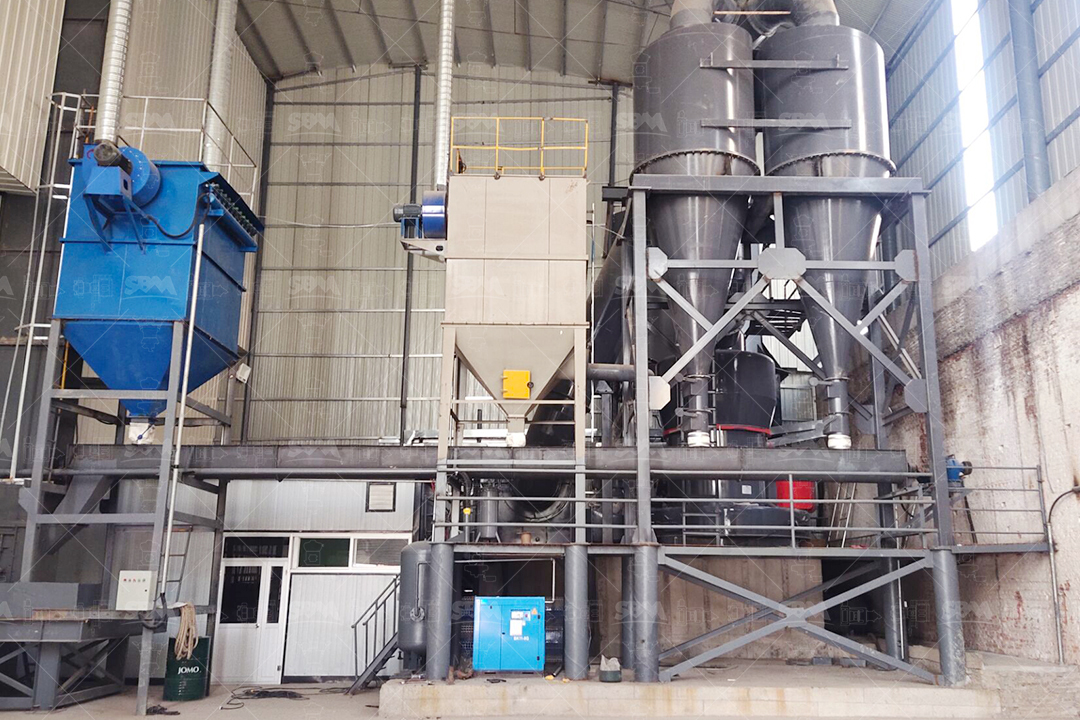
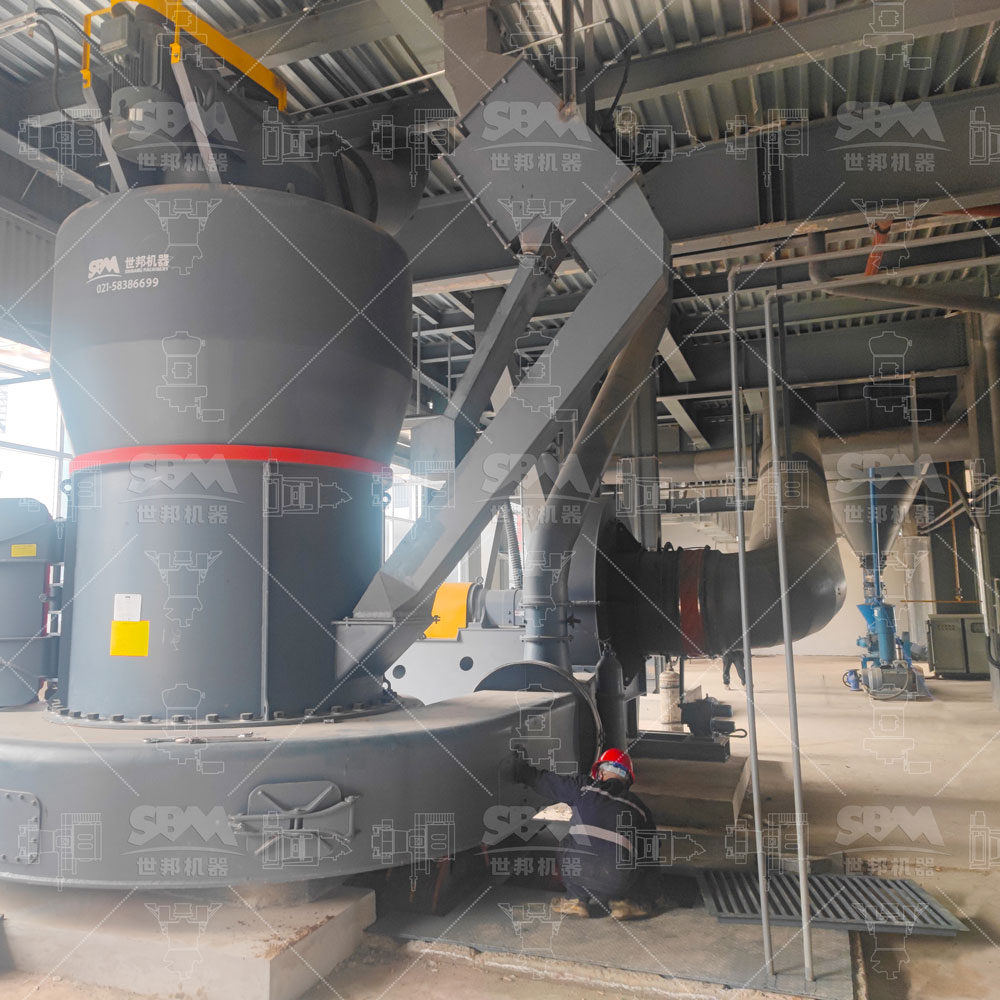
Among the array of grinding technologies, vertical roller mills and specialized ultrafine mills stand out for high-fineness silica applications. Vertical roller mills, such as our LM series, integrate drying, grinding, and separation into a single, compact unit. Their principle of material bed grinding, where rollers compress material against a rotating table, offers high grinding efficiency with lower specific energy consumption compared to traditional ball mills. For silica processing aiming for 30-400 mesh, this technology provides excellent control over particle size and robust, stable operation. The inherent design allows for significant outdoor installation, reducing civil construction costs.
For applications demanding ultra-fine silica powder in the range of 325 to 4000 mesh, such as in high-performance plastics, sealants, or advanced composites, SCM Series Ultrafine Mills and LUM Ultrafine Vertical Mills are engineered to excel. These mills incorporate advanced classifier technology—like multi-rotor or high-precision turbine classifiers—that enable precise cut-point control and eliminate coarse particle spillover. A key advantage is their ability to achieve fineness levels like D97 ≤ 5μm in a single pass, eliminating the need for multi-stage milling setups. The use of special wear-resistant materials for rollers and rings, combined with balanced rotor designs, ensures extended service life even with abrasive silica, directly addressing the core pain point of high wear-part costs.
Beyond the core grinding unit, a true solution provider assesses the entire workflow. This includes feed system consistency, product conveyance, dust collection efficiency, and automated process control. An expert automatic control system, often featuring PLC/DCS integration, allows for remote monitoring and adjustment of key parameters like grinding pressure, classifier speed, and feed rate. This intelligence ensures consistent product quality, optimizes energy use, and reduces labor dependency. The environmental performance is also integral; modern mills achieve low noise levels and employ efficient pulse-jet bag filters to ensure emissions far exceed national environmental standards, making them suitable for strict regulatory environments.
Choosing where to buy your 300+ mesh silica mill ultimately hinges on the supplier's proven track record and holistic support. A partner with decades of R&D, evidenced by numerous patented technologies, and a history of serving a global clientele across over 180 countries, brings invaluable application knowledge. They can offer tailored recommendations, whether for environmental desulfurization limestone powder, large-scale non-metallic mineral processing, or specialized new energy materials. The goal is to form a partnership that delivers not just a machine, but guaranteed performance, reliability, and a lower total cost of ownership for your silica grinding operations.
Frequently Asked Questions (FAQs)
- What is the main challenge when grinding silica to 300+ mesh, and how are your mills designed to overcome it?
The primary challenge is rapid wear of grinding components due to silica's abrasiveness, leading to contamination and high maintenance costs. Our mills address this through unique designs like curved shovel blades, special material rollers/rings, and grinding principles that minimize direct impact, extending service life by several times. - Can your mills achieve a consistent and narrow particle size distribution for high-value silica applications?
Yes. Our advanced powder classification systems, such as high-efficiency vertical turbine or multi-rotor classifiers, provide precise particle size cutting. This ensures accurate fineness control (e.g., D97 ≤5μm) with no coarse powder spillover, guaranteeing batch-to-batch consistency. - How does your equipment handle the health and safety risks associated with silica dust?
Our systems are wholly sealed and operate under negative pressure, preventing dust escape. They are equipped with high-efficiency dual powder collection methods (cyclone + pulse dust collector) that capture over 99.9% of particulate matter, ensuring a safe workplace and compliance with environmental regulations. - We have limited plant space. Are your grinding systems compact?
Absolutely. Particularly, our vertical roller mills integrate multiple functions (crushing, drying, grinding, separation) into one unit, occupying about 50% of the space required by a traditional ball mill system. They can also be arranged outdoors, significantly saving valuable indoor floor space. - Is it possible to automate the milling process to reduce operational complexity and labor costs?
Yes. Our mills feature intelligent expert control systems (PLC/DCS) that enable remote operation, automatic adjustment of grinding parameters, and stable operation with minimal manual intervention. This automation directly saves labor costs and optimizes process efficiency.


