

Processing calcium hydroxide for putty
Published on: October 26, 2023
Producing high-quality calcium hydroxide (slaked lime) for putty applications demands precision, consistency, and operational efficiency. This article explores the critical challenges in transforming quicklime into fine, reactive calcium hydroxide powder and how modern grinding technology, specifically SBM Machinery's suite of advanced mills, provides tailored solutions to enhance yield, reduce energy consumption, and ensure product uniformity, ultimately strengthening your competitive edge in the building materials market.
The journey from calcium oxide (quicklime) to the hydrated calcium hydroxide used in putty is deceptively complex. While the slaking process is chemical, the subsequent grinding and classification of the resulting powder are mechanical processes that directly dictate the final product's performance. Key quality parameters for putty-grade calcium hydroxide include a consistently fine particle size (typically within a specific mesh range), high whiteness, and excellent reactivity. Inefficient grinding can lead to oversized particles that compromise smoothness and workability, inconsistent particle size distribution affecting setting properties, and excessive energy use that erodes profitability. Furthermore, dust control and equipment wear are persistent operational headaches.
This is where the selection of grinding equipment transitions from a simple procurement decision to a strategic investment. SBM Machinery, with its global footprint serving over 180 countries, approaches this not just with machines, but with integrated system solutions. Their expertise spans the entire mineral processing workflow, ensuring that the grinding stage is perfectly synchronized with upstream and downstream operations for a seamless production line.
For high-volume production of calcium hydroxide where output fineness requirements are in the range of 30-400 mesh, the MTW Series European Trapezium Grinding Mill presents a robust and cost-effective solution. Its design directly addresses common pain points. The unique curved shovel blade design and inner oil absorption lubrication system significantly reduce the wear rate of grinding rollers and rings, a major concern when processing abrasive materials. This translates to lower spare parts costs and less frequent maintenance downtime. 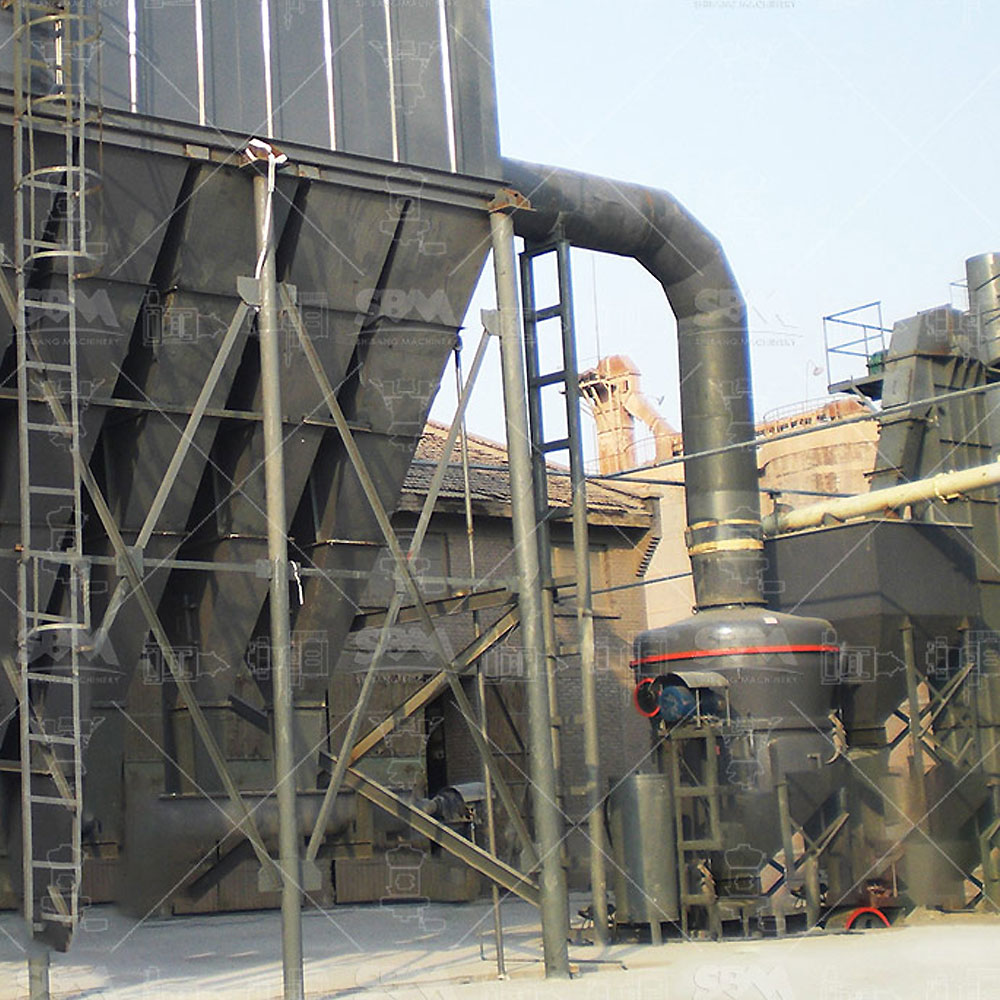 Furthermore, its arc air duct and cone gear whole transmission ensure efficient material flow and power transmission, minimizing energy losses that directly impact the bottom line.
When operational footprint and energy efficiency are paramount, the LM Vertical Roller Mill stands out. Its integrated design—combining drying (beneficial if the hydrated lime carries residual moisture), grinding, and classification into a single, compact unit—can reduce floor space by up to 50% compared to traditional ball mill systems. The grinding principle, where rollers press on a rotating table, is inherently more energy-efficient, consuming 30-40% less power. For putty manufacturers looking to modernize facilities or expand capacity within space constraints, the LM series offers a compelling advantage. Its fully sealed system operating under negative pressure also ensures a dust-free workshop, addressing critical environmental and worker safety concerns.
For premium putty formulations requiring ultrafine or highly consistent calcium hydroxide powder (reaching up to 4000 mesh), SBM's ultrafine grinding technologies take center stage. The SCM Ultrafine Mill is engineered for high-precision grinding. Its efficient vertical turbine classifier ensures sharp particle size cuts, eliminating coarse particles that could degrade putty finish. The heavy-duty rotor and special material for rollers and rings provide exceptional durability, maintaining product consistency over long operational periods. 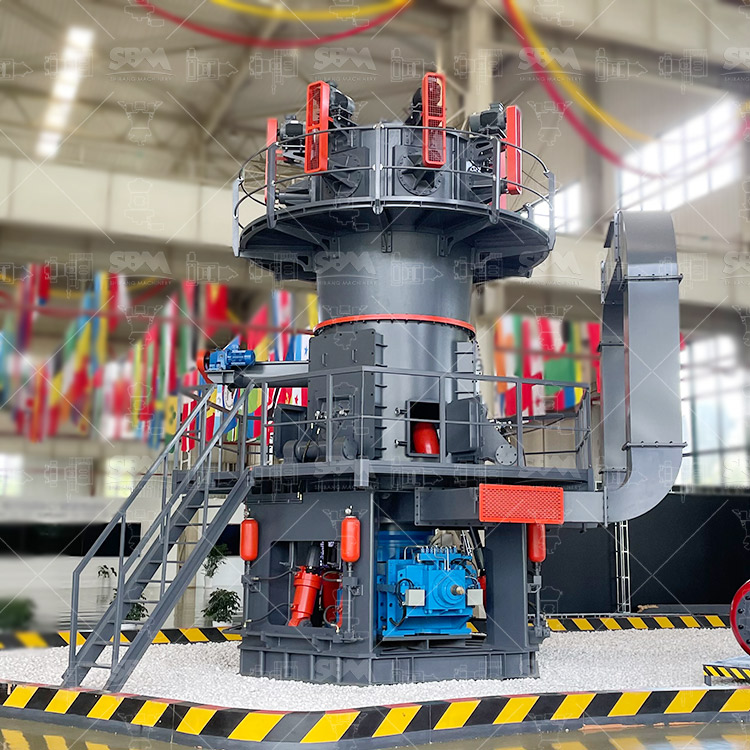 Building on this, the LUM Ultrafine Vertical Mill integrates German powder separation technology for unparalleled classification accuracy. Its intelligent PLC control system automatically manages grinding pressure and classifier speed, guaranteeing repeatable results batch after batch. This level of automation not only stabilizes quality but also reduces reliance on highly skilled operators, mitigating labor cost and consistency challenges.
Even for more traditional approaches, the modernized Ball Mill remains a viable option, particularly where flexibility and a well-understood process are valued. SBM's optimized ball mills, available in dry or wet configurations, use improved structural designs and wear-resistant materials to combat the traditional drawbacks of high media wear and energy consumption, offering a reliable workhorse for specific production scenarios.
In conclusion, processing calcium hydroxide for putty is a technical endeavor where the right grinding technology is a force multiplier. It directly influences product quality, production cost, and plant environmental compliance. By leveraging SBM Machinery's portfolio—from the high-capacity MTW and space-saving LM mills to the precision-focused SCM and LUM ultrafine systems—producers can directly target their specific operational pain points. The result is a optimized process that delivers the fine, uniform, and reactive calcium hydroxide powder essential for manufacturing superior putty, all while achieving greater operational economy and reliability.
Frequently Asked Questions (FAQs)
- Q: Our current mill for calcium hydroxide produces inconsistent fineness, leading to variable putty quality. How can we achieve more stable particle size distribution?
A: Inconsistent fineness often stems from outdated classification technology. Our LUM Ultrafine Vertical Mill and SCM Ultrafine Mill feature advanced multi-rotor and turbine classifiers, respectively, which provide precise size cuts and prevent coarse powder spillover. Coupled with intelligent PLC systems that auto-adjust key parameters, they ensure remarkable batch-to-batch consistency. - Q: Wear parts replacement for our grinding rollers/rings is too frequent and costly. Are there solutions to extend service life?
A: Absolutely. Our MTW Mill uses a unique curved shovel blade and wear-resistant material design for rollers/rings to drastically reduce wear. The LUM and LM Vertical Mills employ a grinding principle where rollers and plates do not directly contact, significantly prolonging their lifespan and reducing your cost per ton of powder produced. - Q: Energy consumption is our biggest operational cost. What grinding solutions can lower our power usage?
A: Vertical roller mills (LM, LUM) are inherently more energy-efficient than traditional ball or Raymond mills. The LM series, for example, can reduce energy consumption by 30-40% for similar output. The efficient transmission design of the MTW series also minimizes power losses, offering substantial savings. - Q: Dust pollution in our plant is a major issue for safety and compliance. Do your mills address this?
A: Yes. All our featured mills, especially the LM and LUM Vertical Mills, are fully sealed systems that operate under negative pressure. This design inherently contains the powder, preventing dust spillover. They are integrated with efficient pulse dust collectors, ensuring emissions meet strict national and international environmental standards. - Q: We have limited factory space but need to increase production capacity. Is there a compact solution?
A: The LM Vertical Roller Mill is ideal for space-constrained facilities. Its integrated design (crushing, drying, grinding, separation) has a footprint about 50% smaller than a traditional ball mill system and can even be installed outdoors, allowing for capacity expansion without requiring a large new building.


