

Processing dolomite into fine powder
Published: October 26, 2023
The transformation of raw dolomite into high-value fine powder is a critical process for numerous industries, from construction materials to plastics and environmental applications. Achieving consistent particle size, high throughput, and energy efficiency while managing operational costs presents significant challenges for producers. This article explores the advanced grinding technologies offered by SBM Machinery, a global leader in mineral processing equipment, detailing how its engineered solutions—from the robust European Trapezium Mill to the precision-focused Ultrafine Vertical Mill—are specifically designed to address the unique properties of dolomite, enhance productivity, and ensure sustainable, profitable powder production.
Dolomite, a calcium magnesium carbonate mineral, requires careful comminution to unlock its full industrial potential. Its moderate hardness and specific cleavage demand milling equipment that balances powerful size reduction with precise classification to prevent over-grinding and energy waste. Traditional methods often fall short, leading to inconsistent product quality, high maintenance downtime, and excessive power consumption. SBM Machinery approaches this challenge with a holistic portfolio, providing not just machines but integrated systems tailored to the desired fineness, capacity, and application of the final dolomite powder.
For general-purpose dolomite powder production in the range of 30-400 mesh, the MTW Series European Trapezium Grinding Mill stands out. Its evolution from traditional Raymond mill technology incorporates critical innovations directly addressing common pain points. The patented curved shovel blade design and inner oil absorption lubrication system significantly reduce wear on grinding rollers and rings, a major concern when processing abrasive minerals. This translates directly to lower spare parts consumption and reduced maintenance frequency. Furthermore, its cone gear whole transmission and optimized arc air duct design enhance mechanical efficiency and airflow, ensuring stable output quality while lowering specific energy consumption per ton of product.
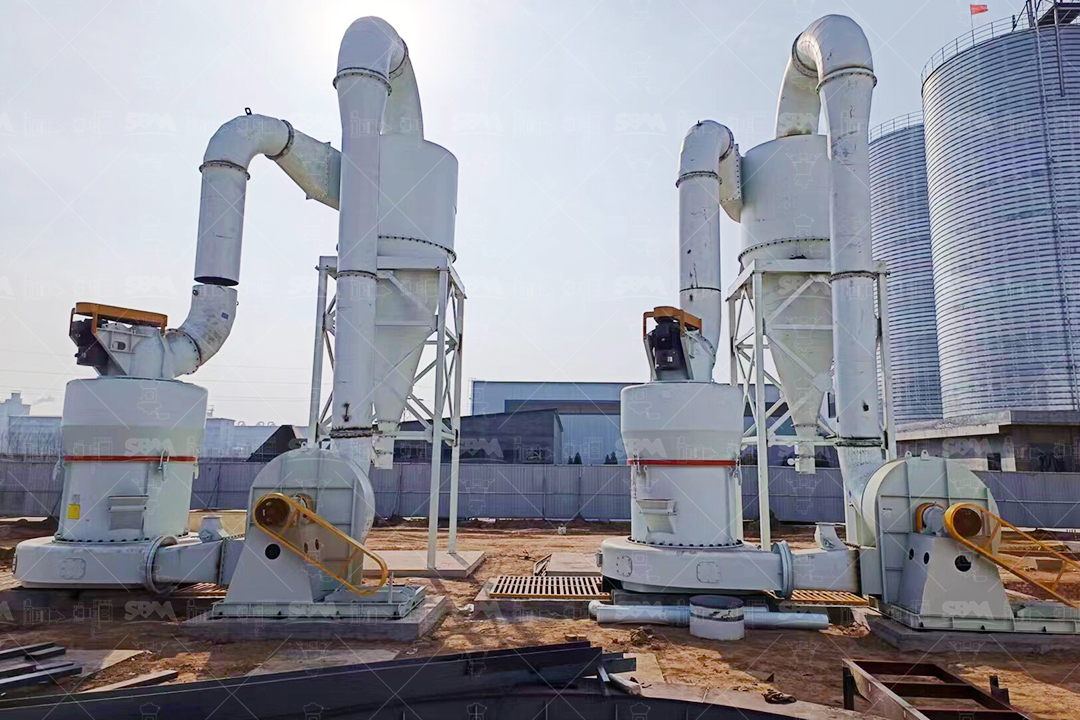
When project scope demands higher capacity or integrated drying of slightly moist feed, the LM Vertical Roller Mill offers a compelling solution. Its design philosophy centers on consolidation and efficiency. By integrating crushing, grinding, drying, and classification into a single footprint, it drastically reduces civil engineering costs and plant layout complexity. For dolomite processing, its grinding principle—where rollers compress the material bed on a rotating table—provides exceptional grinding efficiency with lower wear rates compared to impact-based systems. The automatic control system allows operators to maintain optimal grinding pressure and temperature, ensuring consistent product fineness even with variations in feed material, thereby minimizing product giveaway and re-processing.
The pursuit of ultra-fine dolomite powders (400 mesh and beyond) for high-end applications like plastics, paints, and advanced composites necessitates specialized technology. Here, SBM's SCM Series Ultrafine Mill and LUM Ultrafine Vertical Mill come to the fore. The SCM mill is engineered for high-output production of superfine powders up to 2500 mesh. Its heavy-duty rotor design and high-efficiency turbo classifier ensure precise particle size distribution with minimal coarse particle spillover, a critical quality parameter for filler and coating applications. The LUM Ultrafine Vertical Mill builds on vertical mill advantages, incorporating advanced German powder separating technology. Its multi-rotor classifier allows for precise, stepless adjustment of final fineness, enabling producers to tailor products for niche markets. The intelligent PLC control system automatically adjusts key parameters, stabilizing operation and protecting product quality.
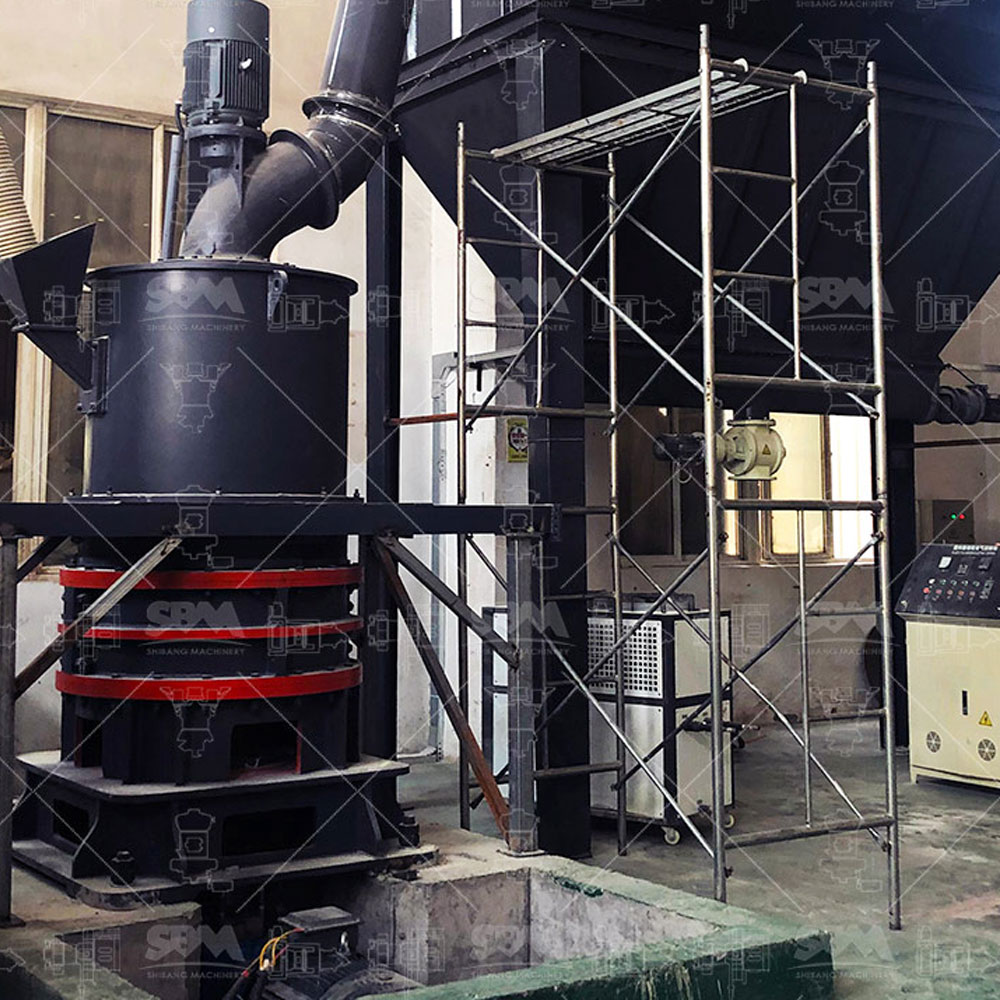
Beyond the machine itself, SBM's value lies in its role as a total solution provider. With equipment deployed in over 180 countries, the company's expertise encompasses the entire mineral processing workflow. For a dolomite processing project, this means SBM can assist with system design, equipment selection based on precise feed characteristics and product goals, and ongoing technical support. This comprehensive approach helps clients navigate the complexities of powder production, from mitigating the operational headaches of frequent part replacement and unplanned downtime to achieving stringent environmental standards for dust and noise emissions.
Ultimately, successfully processing dolomite into fine powder is an exercise in precision engineering and operational intelligence. It requires equipment that is not only robust but also intelligent, efficient, and adaptable. By leveraging SBM Machinery's suite of advanced grinding mills—each with distinct advantages for different stages of fineness and production scales—producers can transform the challenges of dolomite milling into a competitive advantage, delivering high-quality, consistent powder that meets the exacting demands of modern industry.
Frequently Asked Questions (FAQs)
Q1: Our current mill for dolomite suffers from rapid wear of grinding rollers and rings, leading to high spare parts costs and frequent downtime. Is there a solution?
A1: Absolutely. This is a common challenge with abrasive materials like dolomite. Our MTW European Trapezium Mill and LUM Vertical Mill utilize special alloy materials for grinding components and innovative designs like curved shovel blades (MTW) and optimized grinding curves (LUM) that reduce direct abrasion and extend service life by several times, dramatically lowering your operating costs.
Q2: We need to produce both coarse (100 mesh) and very fine (1250 mesh) dolomite products. Do we need two completely different milling systems?
A2: Not necessarily. The flexibility of our LM Vertical Roller Mill and LUM Ultrafine Vertical Mill is key. With adjustable classifier speed (often via frequency converter) and grinding parameters, a single vertical mill system can often produce a wide range of fineness, from coarse to ultra-fine, by adjusting operational settings. This provides great versatility for multi-product facilities.
Q3: Energy consumption is our biggest cost concern. What technologies do your mills employ to improve efficiency?
A3: Our mills are designed for optimal energy use. The vertical roller mills (LM & LUM) use a bed-compression grinding principle, which is inherently more efficient than impact or ball-on-ball collision, typically saving 30-40% energy compared to traditional ball mills. The MTW mill's whole gear transmission and streamlined air system also minimize mechanical and airflow losses.
Q4: How do you ensure consistent powder fineness, especially for high-value ultra-fine grades where deviations are costly?
A4: Consistency is achieved through advanced separation and control. Our ultrafine mills (SCM & LUM) feature high-precision turbo or multi-rotor classifiers that provide sharp particle size cuts. Crucially, they are paired with intelligent automatic control systems (PLC/DCS) that continuously monitor and adjust grinding pressure, classifier speed, and feed rate to maintain the target fineness despite minor feed fluctuations.
Q5: Dust control and environmental compliance are major priorities for our plant. How are your milling systems addressing this?
A5: All our mills are designed with environmental protection as a core feature. The systems operate under fully sealed, negative pressure conditions, preventing dust escape. They are integrated with high-efficiency pulse bag dust collectors or dual powder collection systems that capture over 99.9% of particulates, ensuring emissions easily meet national and international standards. Low-noise designs further reduce the environmental footprint.


