

Difference: silica & carbon black + processing equipment
Published on: October 26, 2023
Silica and carbon black, while both critical functional fillers and pigments across numerous industries, present distinct material characteristics that demand specialized processing approaches. Selecting the correct grinding equipment is paramount to achieving target particle size, morphology, and production efficiency, directly impacting product performance and operational profitability. This article delineates the key differences between these materials and provides a technical guide to matching them with optimal grinding solutions from SBM Machinery, leveraging our global expertise in delivering complete mineral processing systems.
Fundamentally, silica (often referring to synthetic amorphous silica) is an inorganic material derived from quartz or produced chemically, prized for its reinforcing, thickening, and anti-caking properties. Carbon black, conversely, is an organic material produced via the incomplete combustion of hydrocarbons, primarily used as a reinforcing filler in rubber and as a pigment. Their processing challenges diverge significantly. Silica is notably abrasive, leading to high wear on grinding components, and often requires ultra-fine grinding to sub-micron levels to activate its surface area. Carbon black, with its tendency to agglomerate and its fluffy, low-bulk-density nature, poses challenges in feeding, grinding efficiency, and dust control, requiring precise energy input to break down aggregates without excessive heat generation.
This is where equipment selection becomes critical. A one-size-fits-all approach leads to subpar product quality, high maintenance costs, and energy inefficiency. SBM Machinery's portfolio is engineered to address these specific material pathologies.
For high-volume processing of silica to medium fineness (30-400 mesh), such as for construction materials or desulfurization, the MTW Series European Trapezium Grinding Mill stands out. Its unique wear-proof perching knife design and use of special materials for rollers and rings combat silica's abrasiveness, reducing wear part replacement frequency and operational cost. The cone gear whole transmission ensures stable, efficient power delivery for consistent output.
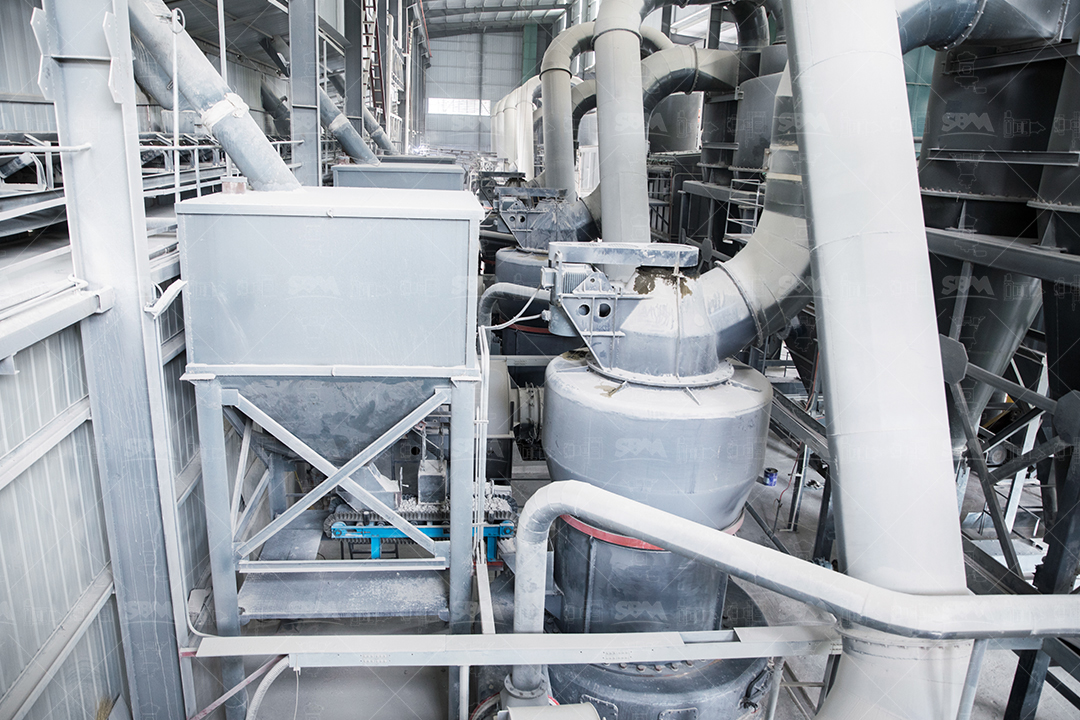
When processing carbon black or aiming for higher capacity with integrated drying (as carbon black often requires moisture control), the LM Vertical Roller Mill is a superior choice. Its compact, integrated design (crushing, drying, grinding, separation) handles low-density materials effectively. The grinding principle, where rollers compress material on a plate with minimal direct metal-to-metal contact, is efficient for de-agglomerating carbon black while controlling energy consumption—reportedly 30-40% lower than traditional ball milling systems. The fully sealed system operating under negative pressure is ideal for containing carbon black dust.
For ultra-fine processing of silica to levels exceeding 2500 mesh for high-performance applications like silicone rubber or coatings, the SCM Ultrafine Mill and LUM Ultrafine Vertical Mill are the technologies of choice. The SCM series achieves remarkable fineness (D97≤5μm) with high output and low energy consumption, its heavy-duty rotor and special material rollers built to withstand prolonged abrasive processing. The LUM Ultrafine Vertical Mill, integrating advanced separation technology, excels in producing tightly classified, high-purity ultrafine silica powder. Its intelligentized PLC control system precisely manages grinding pressure and classifier speed, critical for achieving repeatable particle size distribution (PSD).
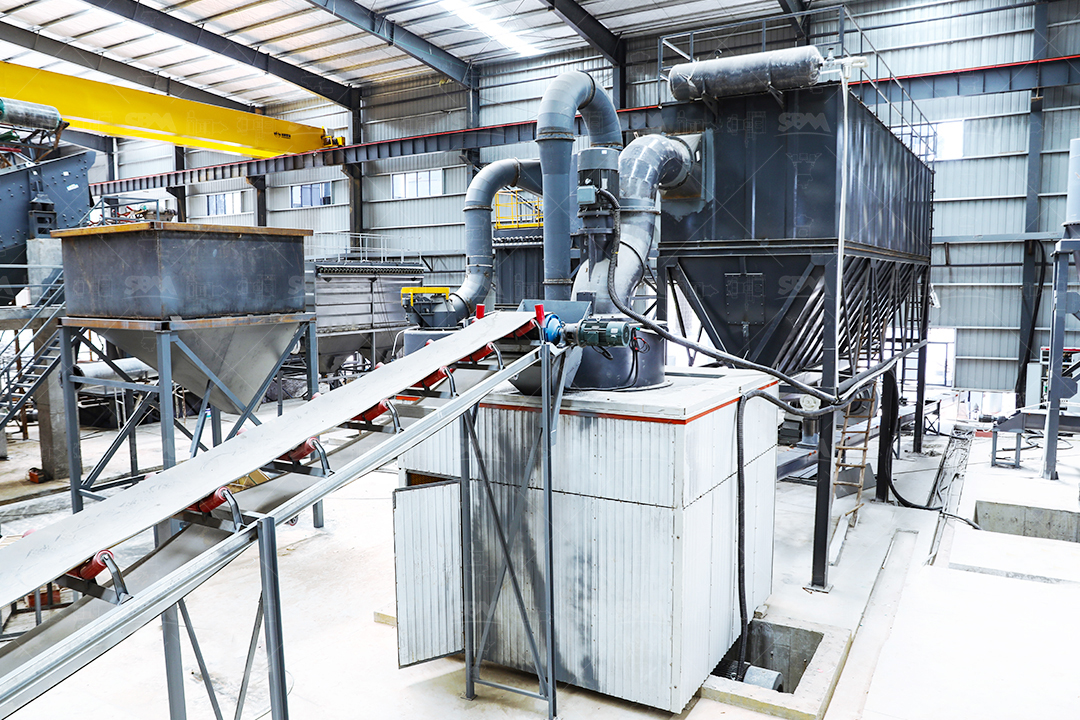
While Ball Mills have historical use, their high energy consumption and wear rates make them less optimal for these specific materials compared to modern roller and vertical mill technology. SBM's optimized ball mills, however, remain a viable option for certain wet or dry processes where their specific grinding action is required, featuring improvements to liner and ball material to reduce wear.
In conclusion, the synergy between material science and mechanical engineering defines success in powder processing. Silica demands abrasion-resistant, high-precision fine-grinding solutions, while carbon black calls for efficient, low-heat, dust-controlled de-agglomeration. SBM Machinery's diverse range—from the robust MTW and LM series to the precision SCM and LUM ultrafine mills—provises the targeted technology to transform these raw materials into high-value products, ensuring reliability, environmental compliance, and maximum return on investment for our clients worldwide.
Frequently Asked Questions (FAQs)
Q1: We process both silica and carbon black. Can one SBM mill handle both materials efficiently?
A: While possible with adjustments, optimal efficiency and part longevity come from selecting equipment tailored to the primary material. For a dual-purpose line, we recommend the LM Vertical Roller Mill for its versatility, drying capability, and sealed design, but consulting with our engineers for a site-specific analysis is crucial.
Q2: Our main pain point is the rapid wear of grinding parts when processing silica, leading to frequent downtime and high costs. How do SBM mills address this?
A: Our mills feature proprietary solutions like the combined-type shovel blade (MTW Series) where only the blade needs replacement, and special alloy rollers/rings (SCM, LUM Series) with durability several times higher than standard materials. This design philosophy directly targets and reduces your total operating cost.
Q3: For carbon black, achieving a consistent, fine particle size without overheating is challenging. How is this managed?
A: The grinding mechanism in our LM and LUM mills applies controlled pressure rather than impact, minimizing heat generation. Coupled with advanced classifier technology that ensures precise particle cut-off and efficient cooling through the integrated air system, we deliver consistent PSD without thermal degradation.
Q4: Is the transition to a new ultrafine grinding system for silica very complex and disruptive?
A: SBM projects are delivered as total solutions. We provide comprehensive layout planning, foundation drawings, and installation guidance. Our mills like the LUM series feature intelligent control systems for easier operation, and our team supports you through the entire transition to minimize disruption.
Q5: Dust control is a major environmental and health concern, especially with carbon black. Are SBM systems sealed?
A> Absolutely. Our vertical roller mills (LM, LUM) and ultrafine mills operate under fully sealed, negative-pressure conditions. This, combined with efficient pulse dust collectors, ensures no dust spillover, meeting stringent international environmental standards and creating a safer workplace.


