

Difference: calcium carbonate & talc + processing equipment
Published on: October 26, 2023
In the realm of industrial minerals, calcium carbonate and talc stand as two pivotal materials with distinct properties and applications, demanding specialized processing approaches. While calcium carbonate, particularly ground calcium carbonate (GCC), is prized for its whiteness, opacity, and filler characteristics in plastics, paints, and paper, talc is valued for its softness, lubricity, and plate-like structure in ceramics, cosmetics, and polymers. The core divergence in their processing lies in hardness and moisture sensitivity, directly influencing equipment selection. Shanghai SBM Machinery, as a total solution provider, addresses these nuanced needs with a portfolio of advanced grinding mills—from the high-capacity MTW European Trapezium Mill and LM Vertical Roller Mill for coarse to medium fineness, to the precision-oriented SCM Ultrafine Mill and LUM Ultrafine Vertical Mill for ultra-fine grades, alongside optimized Ball Mills for specific wet or dry processes. This article delineates the key differences between these minerals and guides the selection of optimal SBM equipment to maximize efficiency, product quality, and operational sustainability.
Calcium carbonate, a naturally occurring compound, exists in various forms like limestone, chalk, and marble. Its primary industrial use is as a filler and extender, requiring controlled particle size distribution (PSD) and high brightness. GCC processing often involves dry grinding to achieve fineness ranging from 200 to 2500 mesh. The material is moderately abrasive, which necessitates equipment with robust wear-resistant components. Talc, a hydrous magnesium silicate, is the softest mineral on the Mohs scale. Its processing is sensitive due to its lamellar (plate-like) structure, which must be preserved to maintain its functional properties like lubricity. Over-grinding can destroy this structure, reducing product value. Furthermore, talc often contains inherent moisture, making drying a critical step in its processing circuit.
The fundamental processing challenges thus diverge: for calcium carbonate, the focus is on efficient size reduction of an abrasive material to a target fineness while maintaining low iron contamination and high yield. For talc, the challenge is gentle delamination and size reduction without destroying particle morphology, often coupled with efficient drying. Energy consumption, wear part longevity, and the ability to produce a consistent, narrow PSD are universal pain points for processors of both minerals.
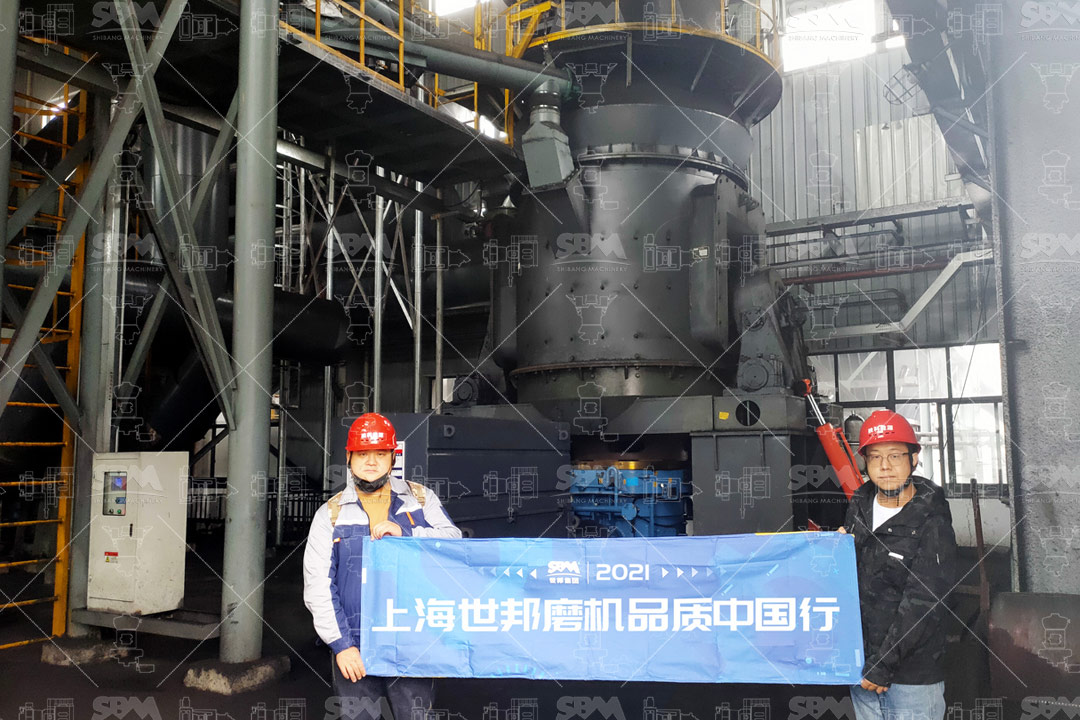 SBM Machinery's equipment range is engineered to meet these specific demands. For high-volume production of calcium carbonate in the 30-400 mesh range, the MTW European Trapezium Mill and LM Vertical Roller Mill (LM) are standout choices. The MTW Mill, with its cone gear whole transmission and arc air duct design, offers stable operation and high transmission efficiency, ideal for producing consistent GCC powder with lower operating costs. The LM Vertical Roller Mill takes a leap forward by integrating drying, grinding, and classification. Its significant advantage for calcium carbonate lies in its low operating costs; the grinding rollers do not directly contact the plate, reducing wear, and the system consumes 30-40% less energy than traditional ball mills. Its compact layout also reduces the plant footprint by approximately 50%.
When the application demands ultra-fine products (325-4000 mesh), such as high-grade coating calcium carbonate or surface-modified talc for plastics, SBM's ultrafine grinding solutions come to the fore. The SCM Ultrafine Mill is a proven technology capable of achieving fineness up to D97≤5μm. Its heavy rotor design and special material for rollers and rings ensure durability when processing minerals. For talc processing, where preserving particle structure is key, the LUM Ultrafine Vertical Mill is particularly adept. It integrates advanced grinding roller technology and German powder separating technology. Its unique grinding curve design facilitates gentle material bed formation, promoting efficient delamination of talc platelets rather than destructive fracture. The multi-rotor classifier allows precise cut-point control, ensuring no coarse particles contaminate the final, high-value product.
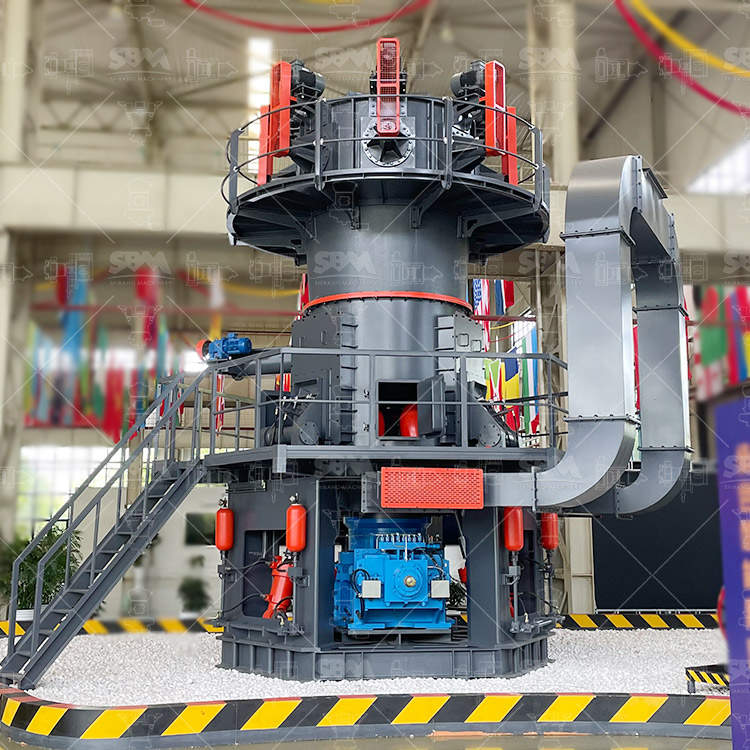 The Ball Mill, a technology SBM has optimized, remains relevant for certain applications. For wet grinding of calcium carbonate slurry or in mineral dressing contexts, SBM's improved ball mills, with enhanced structural design and wear-resistant materials, offer a reliable solution, mitigating traditional pain points like high liner and ball consumption.
Across all SBM mills, common themes address core customer concerns: intelligent control systems (PLC/DCS) enable remote operation, stable parameter control, and labor savings; environmental design with full negative-pressure sealing and efficient dust collection ensures emission compliance; and modular, wear-resistant designs reduce maintenance downtime and spare parts costs. Selecting between an MTW Mill for robust 400-mesh GCC or an LUM Mill for 2500-mesh coated talc is not merely a choice of machine, but a strategic decision based on mineralogy, target product specification, and total cost of ownership. SBM's expertise, drawn from serving over 180 countries, provides the framework for making this decision with confidence, ensuring the processing equipment is not just a purchase, but a tailored solution for competitive advantage.
Frequently Asked Questions (FAQs)
- Q: We need to produce both 400-mesh GCC and 1250-mesh talc. Do we need two completely different grinding lines?
A: Not necessarily. While dedicated lines are ideal for high-volume single-product focus, SBM's LUM Ultrafine Vertical Mill offers remarkable flexibility. With adjustable classifier speed and grinding pressure via the PLC system, it can efficiently handle both medium and ultra-fine grinding tasks for non-abrasive to moderately abrasive minerals, potentially serving multiple product grades from a single, versatile setup. - Q: Our main issue with talc grinding is overheating, which seems to damage its lamellar structure and affect lubricity. How does SBM equipment address this?
A: Overheating often stems from inefficient energy transfer and poor heat dissipation. The LUM Ultrafine Vertical Mill integrates an efficient grinding and separation process. Its bed-grinding principle generates less excess heat compared to impact-based mills. Furthermore, if the feed material is moist, the integrated drying function (using hot air) actually helps control mill temperature. The precise PLC control also prevents over-grinding, which is a primary source of heat generation and structural damage. - Q: Wear part consumption for calcium carbonate is killing our profitability. What makes SBM mills more cost-effective in the long run?
A> This is a critical pain point. SBM addresses it through multiple innovations. The MTW Mill features a combined-type shovel blade where only the blade tip needs replacement. The LM and LUM Vertical Mills utilize a grinding principle where rollers and plates do not directly contact, dramatically reducing wear. Additionally, critical components like rollers and rings are made from special, high-durability alloys developed through SBM's R&D, extending service life by several times compared to conventional materials. - Q: We are expanding and are concerned about environmental regulations regarding dust and noise. Are SBM mills compliant?
A> Absolutely. Environmental protection is a core design criterion. All SBM mill systems are fully sealed and operate under negative pressure, ensuring no dust spillage. They are equipped with high-efficiency pulse dust collectors (like the double powder collecting system on the SCM Mill) that far exceed international emission standards. For noise, optimized sound insulation rooms, mufflers, and stable mechanical designs with minimal vibration keep operational noise at very low levels, facilitating compliance and improving workplace conditions. - Q: How complex is the operation and maintenance of these advanced mills? We have limited technical staff.
A> SBM prioritizes intelligent and user-friendly design. The expert automatic control system allows for easy local or remote operation, with stable, automated operation reducing the need for constant manual intervention. Maintenance is simplified through modular design (e.g., replaceable shovel blades on MTW) and easy-access points. Furthermore, SBM provides comprehensive training and global after-sales support, ensuring your team can operate and maintain the equipment efficiently, maximizing uptime.


