

Power plant desulfurization process
Published: October 26, 2023
Effective flue gas desulfurization (FGD) in power generation hinges on the consistent production of high-quality limestone powder. This critical reagent's particle size distribution, fineness, and system reliability directly impact SO₂ removal efficiency, operational costs, and environmental compliance. This article explores the technical challenges in desulfurization limestone preparation and presents advanced grinding solutions designed to enhance system performance, reduce total cost of ownership, and ensure stable, large-scale powder supply for modern power plants.
The cornerstone of wet limestone-gypsum FGD, the most prevalent method globally, is a precisely controlled slurry of finely ground limestone. The grinding process must achieve a specific surface area that maximizes reaction kinetics while balancing energy consumption and equipment wear. Traditional grinding systems often struggle with inconsistent product quality, high maintenance downtime, and excessive power draw, leading to bottlenecks in the overall desulfurization workflow. These inefficiencies can compromise emission targets and inflate operational expenses.
Recognizing these industry-wide challenges, SBM Machinery leverages decades of expertise as a total solution provider in mineral processing to engineer grinding systems specifically for power plant applications. Our equipment portfolio is designed to address the core requirements of desulfurization: reliability, precision, and energy efficiency.
For large-scale power stations requiring high-capacity limestone preparation, the LM Vertical Roller Mill stands out. Its integrated design combines drying, grinding, classification, and conveying into a single, compact unit. The vertical roller mill's principle of material bed comminution, where rollers hydraulically press against a rotating grinding table, offers significant advantages. It consumes 30% to 40% less energy compared to traditional ball mill systems—a critical factor given that grinding is a primary energy consumer in the process. Furthermore, its wholly sealed system operating under negative pressure prevents dust spillage, maintaining a clean plant environment. The mill's automatic control system allows for remote operation and precise adjustment of key parameters like grinding pressure and classifier speed, ensuring a stable output of 30-400 mesh powder at capacities up to 400 tons per hour.
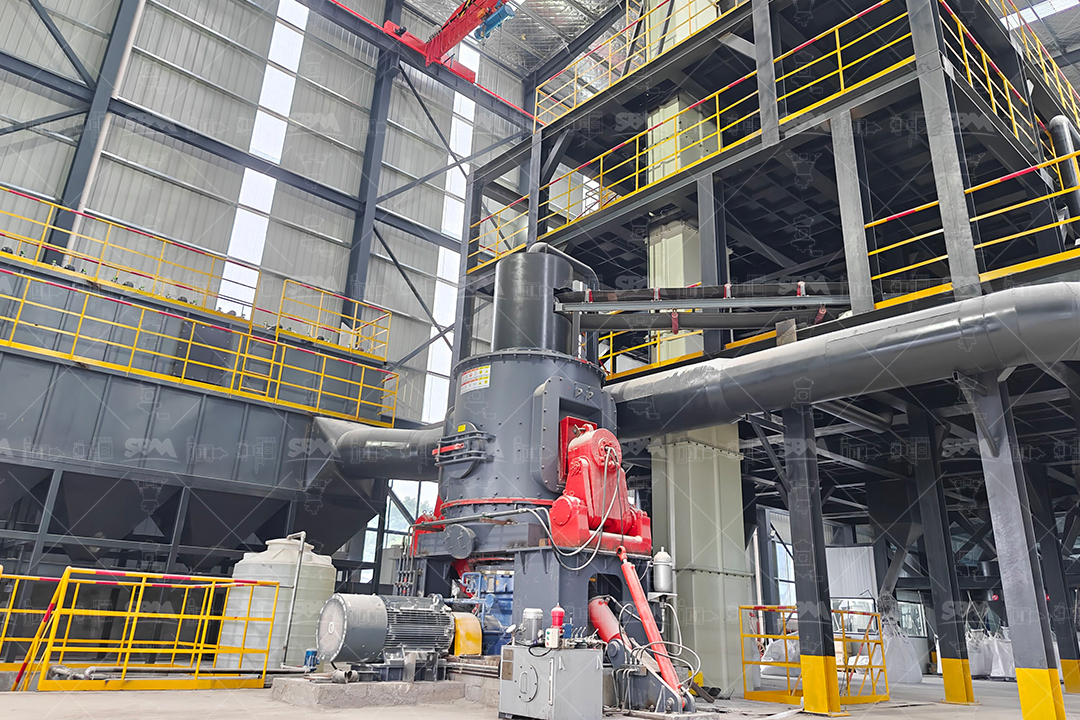
When project parameters call for a proven, robust grinding technology with exceptional flexibility, the MTW Series European Trapezium Grinding Mill is a premier choice. This mill incorporates advanced international technologies, such as cone gear whole transmission for higher mechanical efficiency and a patented arc air duct design that minimizes airflow resistance and energy loss. Its unique combined-type shovel blade design is a direct response to the common pain point of high wear part costs. Only the blade itself needs replacement during maintenance, drastically reducing downtime and spare parts inventory. The MTW series is exceptionally suited for projects where limestone characteristics may vary or where the system must also handle other auxiliary materials, providing reliable output from 3 to 40 tph.
For power plants exploring more advanced sorbents or requiring ultra-fine limestone powder for enhanced reactivity in specific FGD designs, ultrafine grinding technology becomes essential. The SCM Ultrafine Mill and LUM Ultrafine Vertical Mill cater to this niche. These mills can produce powders ranging from 325 to over 2500 mesh. The LUM model, integrating German powder separation technology, offers high efficiency and allows for customizing the fineness distribution to eliminate low-grade, unreactive particles. This precision ensures maximum utilization of the limestone feedstock. Their fully automated, vibration-damped designs guarantee stable operation crucial for continuous power plant processes.
Even the traditional Ball Mill has been optimized for modern demands. SBM's improved designs address historical drawbacks like rapid liner and ball wear. Through structural enhancements and advanced materials, these mills offer a reliable, cost-effective solution, particularly for certain wet grinding applications or where infrastructure favors this technology.
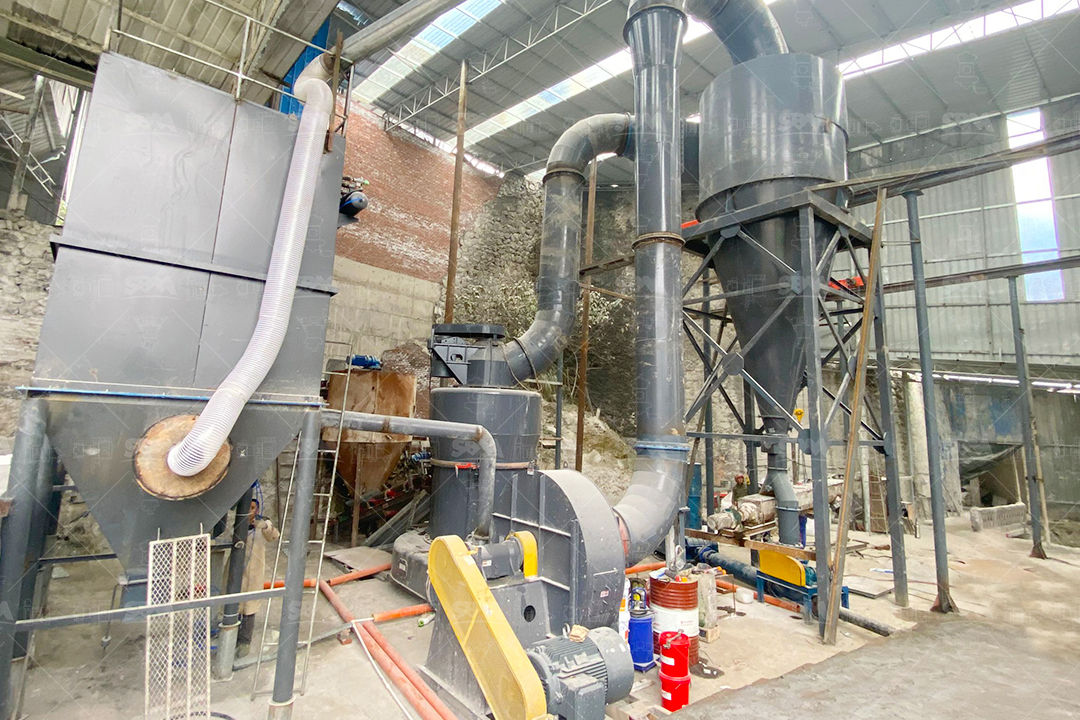
Selecting the optimal grinding system requires a holistic analysis of the limestone source, required capacity, target fineness, moisture content, and plant layout. SBM's approach as a total solution provider involves evaluating these factors to recommend not just a machine, but an integrated system—including feeders, classifiers, dust collectors, and automated controls—that delivers operational synergy. This comprehensive engineering support, backed by a global service network spanning over 180 countries, ensures that power plants can achieve their desulfurization goals with confidence, focusing on clean energy production rather than auxiliary process concerns.
Frequently Asked Questions (FAQs)
Q1: What is the most common operational bottleneck in desulfurization limestone grinding, and how do your mills address it?
A: Unplanned downtime due to wear part failure is a major bottleneck. Our mills feature designs like the MTW's replaceable shovel blades and the LM's durable roller/liner materials to extend service life significantly. The integrated automatic control systems also provide predictive maintenance alerts, minimizing unexpected shutdowns.
Q2: How significant are energy savings with your vertical roller mills compared to traditional systems?
A: Energy consumption is a primary operational cost. Our LM Vertical Roller Mill typically reduces specific energy consumption by 30-40% compared to a standard ball mill system for the same output and fineness, due to its efficient material-bed grinding principle and integrated design.
Q3: We have variable limestone quality. Can your equipment maintain consistent powder fineness?
A: Yes. Mills like the MTW and LUM series are equipped with advanced, adjustable classifier systems (mechanical or dynamic). Coupled with PLC/DCS automatic control that adjusts parameters like grinding pressure in real-time, they can compensate for feed material variations to maintain a stable, consistent product size.
Q4: Dust emission is a strict concern for our plant. How is this managed?
A: Our grinding systems, especially the vertical mills, are designed as fully sealed negative-pressure systems. This means air is drawn into the mill, preventing dust from escaping. This is complemented by high-efficiency bag filter or pulse dust collectors, ensuring emissions are well below national and international environmental standards.
Q5: For a new power plant project, what are the key factors in choosing between a vertical roller mill and a trapezium mill for limestone preparation?
A: The choice hinges on capacity, moisture, and layout. For very high capacity (>100 tph) and/or limestone with higher moisture requiring integrated drying, the LM Vertical Roller Mill is often optimal. For moderate capacities, where operational flexibility and ease of wear part maintenance are priorities, the MTW European Trapezium Mill is an excellent, highly efficient choice. A detailed analysis of your specific project data is recommended for the final selection.


