

Shutdown maintenance for superfine mills
Published on: October 26, 2023
Effective shutdown maintenance is the cornerstone of sustained productivity and longevity for superfine grinding mills. This article provides a comprehensive guide to planning and executing maintenance shutdowns, drawing on SBM Machinery's extensive expertise as a global total solution provider for grinding equipment. We will explore critical maintenance procedures tailored for advanced mill types—including European Trapezium Mills, Vertical Roller Mills, Ultrafine Mills, and Ultrafine Vertical Mills—focusing on addressing common operational pain points such as unexpected wear, energy inefficiency, and output degradation. By implementing a proactive maintenance strategy, operators can significantly reduce unplanned downtime, optimize grinding performance, and protect their capital investment.
Scheduled maintenance shutdowns are not merely interruptions in production; they are strategic investments in operational reliability. For superfine milling applications across power generation, non-metallic minerals, chemicals, and new energy materials, even minor deviations in mill alignment, component wear, or system sealing can drastically impact fineness, yield, and energy consumption. A structured approach, utilizing the inherent design advantages of modern mills, is essential for maintaining the stringent quality standards these industries demand.
For mills like the MTW Series European Trapezium Grinding Mill, key maintenance focuses on its unique patented features. The combined-type shovel blade (perching knife) is a highlight. During shutdown, inspect these blades for wear. Their design allows for the replacement of only the blade segment itself, not the entire assembly, drastically reducing spare parts cost and downtime. Simultaneously, check the arc air flue for any abrasion or blockages that could disrupt airflow and material transport efficiency. The integrity of this duct is vital for maintaining the mill's negative pressure environment and preventing dust leakage.
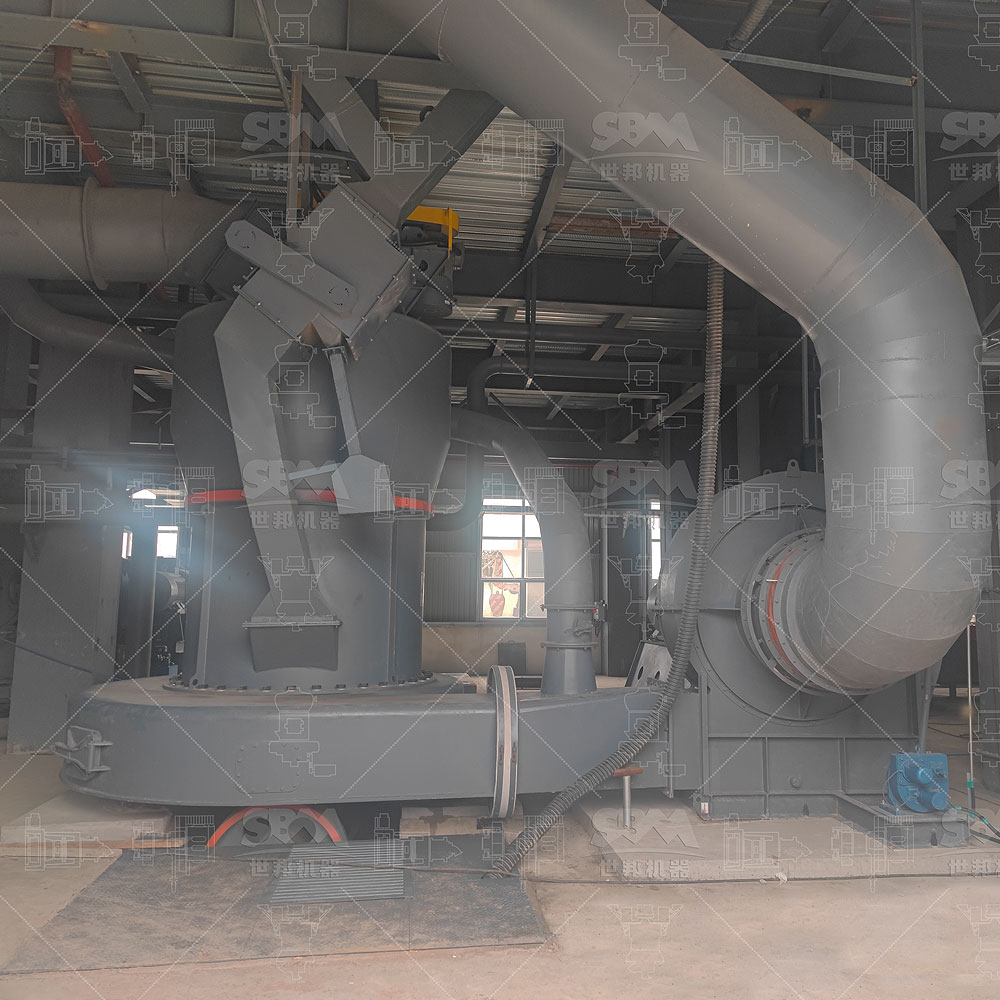
Transitioning to vertical grinding solutions, the LM Vertical Roller Mill and LUM Ultrafine Vertical Mill present a different maintenance profile centered on their integrated design. The core advantage here is the non-contact grinding principle between rollers and the table. During maintenance, the primary task is to measure the remaining thickness of the roller and table liners. Thanks to high-quality materials, wear is minimal, but regular documentation is crucial for predictive planning. The shutdown is also the ideal time to calibrate the automatic control system and PLC/DCS that manage grinding pressure, classifier speed, and roller positioning. Ensuring these sensors and actuators are functioning correctly is key to achieving the promised 30-40% energy savings over traditional systems and maintaining precise fineness control up to 4000 mesh.
For ultra-fine processing with the SCM Ultrafine Mill and LUM Ultrafine Vertical Mill, maintenance precision reaches its peak. The heart of these systems is the high-efficiency turbine powder classifier. Any imbalance or wear on the classifier rotor will directly cause coarse powder spillover and ruin product fineness. A shutdown must include a meticulous balance check and clearance inspection. Furthermore, the heavy-duty grinding roller assembly, designed for stability, should be examined for any signs of imbalance or bearing wear, even though its design minimizes direct metal-to-metal contact. The dual powder collection system (cyclone + pulse bag filter) requires thorough cleaning and bag inspection to ensure environmental compliance and recover valuable product.
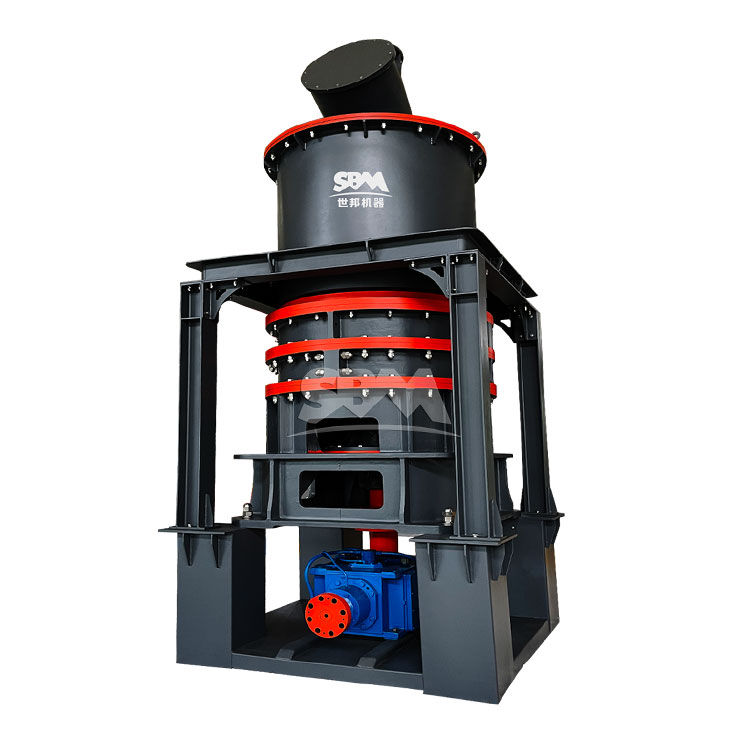
A successful maintenance shutdown follows a clear protocol: 1) Lock-Out/Tag-Out (LOTO) and complete system depressurization; 2) Thorough cleaning to remove all processed material; 3) Visual and measurement-based inspection of all wear parts (blades, rollers, liners, classifier); 4) Inspection of mechanical transmissions, like the bevel gear whole drive in MTW mills, for proper lubrication; 5) Testing of all electrical components, automation systems, and safety interlocks; 6) Reassembly with manufacturer-specified torque settings and tolerances; and 7) A controlled, staged restart with system checks at each step. Leveraging SBM's remote diagnostic support can further streamline this process, offering expert guidance for complex adjustments.
Ultimately, a well-executed maintenance plan transforms potential operational pain points into opportunities for optimization. By understanding and servicing the advanced design features of modern superfine mills—from wear-saving shovel blades and efficient gear drives to intelligent control systems and precision classifiers—operators can ensure their equipment delivers consistent, high-quality powder, minimizes specific energy consumption, and operates with the environmental responsibility that modern industry requires. This proactive care is what sustains the performance that has made SBM grinding equipment the preferred choice in over 180 countries and regions worldwide.
Frequently Asked Questions (FAQs)
Q1: What is the most common cause of unexpected fineness variation in my ultrafine mill, and how can shutdown maintenance address it?
A: The most common cause is wear or imbalance in the turbine powder classifier. During shutdown, the classifier rotor must be cleaned, inspected for wear, and dynamically balanced to ensure precise particle size cut-off and prevent coarse powder contamination.
Q2: Our mill's energy consumption has gradually increased. Which components should we prioritize during the next shutdown?
A: Focus on the grinding elements (rollers/table liners/blades) for abnormal wear profiles that reduce efficiency. Also, calibrate the grinding pressure system and classifier speed controls. For Vertical Roller Mills, ensuring the automatic control system is optimally tuned is crucial for maintaining low energy consumption.
Q3: How can we reduce the cost and downtime associated with replacing worn grinding parts?
A: Utilize design features like the MTW mill's combined-type shovel blade, where only the blade tip is replaced. For vertical mills, use original high-quality material rollers and liners for longer life. A shutdown is the time to measure wear rates accurately to plan and source parts proactively.
Q4: We are concerned about dust leakage and environmental compliance. What should be checked?
A: Inspect the integrity of all sealing points, the condition of bag filters in the dust collection system, and ensure the mill's internal negative pressure is maintained. Check the arc air flue and volute connections for leaks. Proper maintenance of the sealed grinding chamber and collection system is key.
Q5: Is remote support available for complex maintenance procedures or diagnostics during shutdown?
A: Yes. Many modern SBM mills feature intelligent control systems that allow for remote connectivity. Experts can assist with diagnosing control parameters, reviewing operational data pre-shutdown, and providing real-time guidance for calibration and troubleshooting, reducing resolution time.


