

Guangxi gcc production equipment
Published: October 26, 2023
The production of Ground Calcium Carbonate (GCC) in Guangxi, a region rich in high-purity limestone, demands precision, efficiency, and reliability. For processors aiming to enhance product quality, reduce operational costs, and meet stringent environmental standards, selecting the right grinding technology is paramount. This article explores how modern milling solutions address the core challenges in GCC production, from achieving ultra-fine particle size distributions to ensuring sustainable, low-waste operations. We will examine key equipment innovations that empower Guangxi's producers to unlock greater value from their mineral resources and strengthen their competitive position in global markets.
The journey from raw limestone to high-value GCC is defined by its fineness, whiteness, and particle morphology. Traditional grinding methods often struggle with high energy consumption, excessive wear part costs, and limitations in achieving consistent, ultra-fine grades. These pain points directly impact profitability and market adaptability. Modern milling philosophy moves beyond simple size reduction, integrating processes like drying, classification, and material transport into cohesive, intelligent systems. This holistic approach is critical for operations targeting sectors like plastics, paints, coatings, and paper, where product specifications are exceptionally tight.
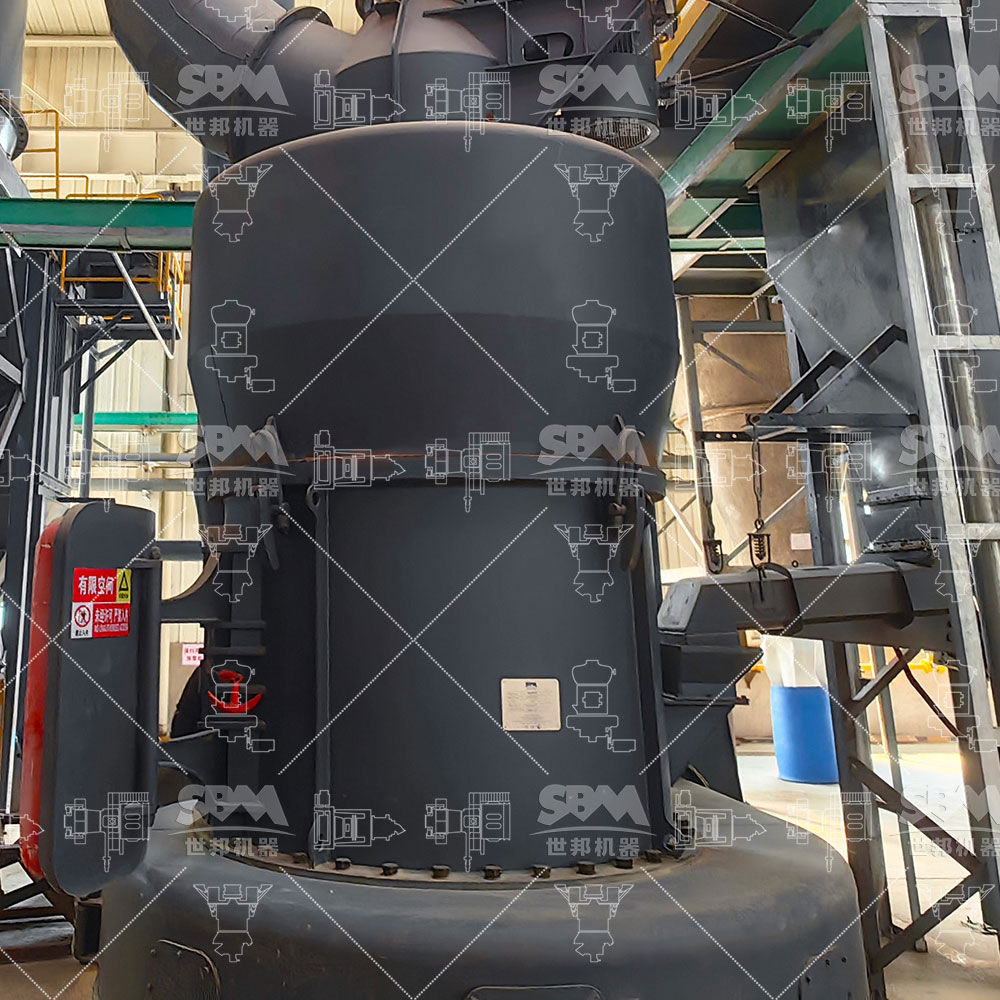
For large-scale GCC production with output requirements up to 400 tons per hour, the Vertical Roller Mill (VRM) represents a transformative solution. Its integrated design combines crushing, grinding, drying, and separation in a single unit, offering a remarkably compact footprint—often 50% smaller than traditional ball mill systems. This consolidation significantly reduces civil engineering and installation costs. The VRM's principle of material bed comminution, where rollers grind against a table under hydraulic pressure, leads to substantially lower specific energy consumption, typically 30-40% less than ball milling. Furthermore, the non-contact grinding mechanism and use of advanced wear materials drastically extend the service life of critical components, addressing a major operational cost center.
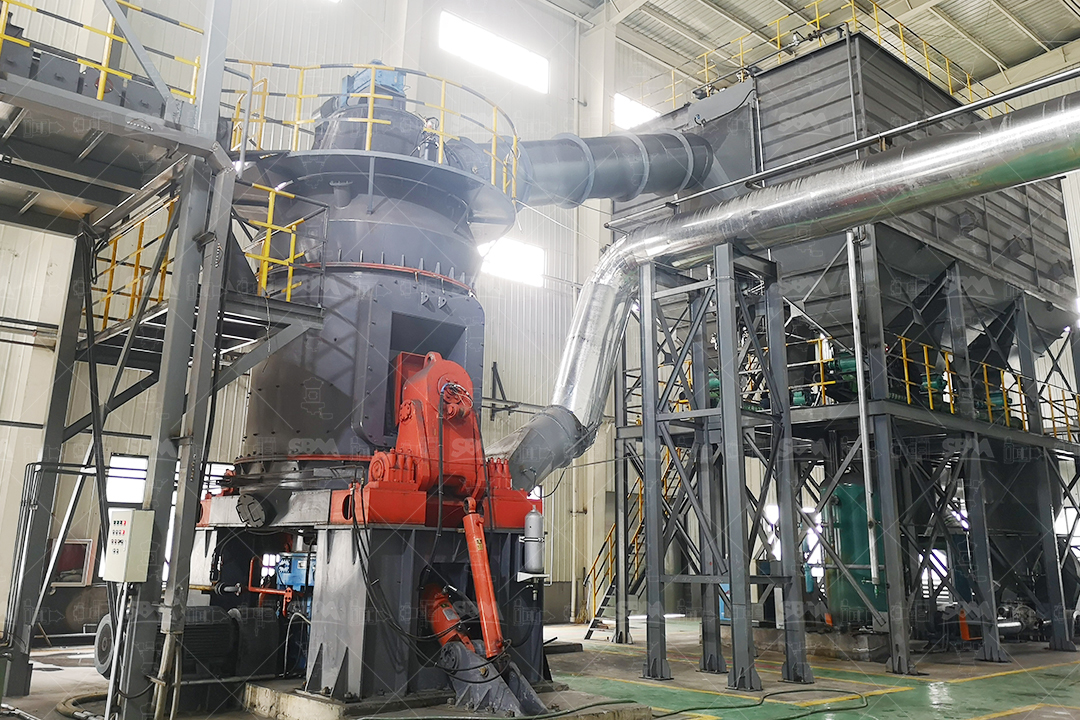
When the application calls for ultra-fine GCC products in the range of 325 to 4000 mesh, specialized ultrafine grinding mills take center stage. Technologies like the Ultrafine Vertical Mill and SCM Series Ultrafine Mill are engineered for this precise task. They incorporate advanced classifier technology—such as multi-rotor or high-efficiency turbine designs—to ensure sharp particle size cuts and prevent coarse particle contamination. This results in a high proportion of usable product from the first pass. A key advantage is their ability to achieve fineness levels like D97 ≤ 5µm with high energy efficiency, often outperforming alternative jet milling technologies in both output and consumption. The intelligent control systems in these mills allow for precise, stable adjustment of grinding parameters and fineness, ensuring batch-to-batch consistency crucial for premium GCC markets.
Beyond the core grinding mechanics, operational stability and environmental compliance are non-negotiable for sustainable production. Advanced mills are designed as sealed systems operating under negative pressure, entirely containing dust and preventing spillage. This not only protects the workforce and environment but also maximizes product yield. Noise is mitigated through optimized structural designs and sound insulation. Moreover, the adoption of centralized PLC/DCS automatic control systems enables remote monitoring and operation, reducing labor dependency and human error. These systems allow for predictive maintenance scheduling based on operational data, further enhancing uptime and planning efficiency.
For Guangxi's GCC producers, the path to leadership lies in adopting technology that simultaneously elevates product quality, drives down total operating costs, and future-proofs operations against evolving regulations. The evolution from standalone grinding machines to intelligent, process-optimized systems marks a new era in mineral processing. By leveraging equipment with proven global experience across over 180 countries, producers can implement reliable, high-performance solutions tailored to the specific characteristics of Guangxi's limestone, ensuring their GCC meets the exacting standards of the world's most demanding industries.
Frequently Asked Questions (FAQs)
Q1: We struggle with high energy costs and rapid wear part consumption in our existing GCC grinding line. What solutions can directly address these two pain points?
A: Modern vertical roller mills and advanced ultrafine mills are specifically designed to tackle these issues. Their material-bed grinding principle and use of special alloy wear parts significantly reduce specific energy consumption (by 30-40% in many cases) and extend the service life of rollers and liners by several times, directly lowering your cost per ton.
Q2: Our target market requires a very consistent D97 ≤ 5µm powder. Can your equipment guarantee this fineness and stability batch after batch?
A: Yes. Our ultrafine grinding mills are equipped with high-precision, frequency-conversion controlled turbine or multi-rotor classifiers. This technology allows for exact particle size cuts and stable classification efficiency. Integrated with an automatic control system that constantly monitors and adjusts key parameters, these mills reliably achieve and maintain target fineness like D97 ≤ 5µm with high product yield.
Q3: Dust control and plant cleanliness are major concerns for us. How are your milling systems designed from an environmental perspective?
A: Our grinding systems are engineered as fully sealed units that operate under negative internal pressure. This design principle ensures that no powder escapes during operation. Coupled with high-efficiency pulse dust collectors, the system's dust emission is far below international environmental standards, creating a clean worksite and eliminating product loss.
Q4: We need to produce multiple GCC grades from coarse fillers to ultra-fine products. Is one mill type flexible enough, or do we need different lines?
A> Several of our mill series, particularly the European Trapezium Mill and the Vertical Roller Mill, offer a wide adjustable output range from 30 to 400 mesh, making them highly versatile for a broad product portfolio. For dedicated ultra-fine production beyond 400 mesh, a dedicated ultrafine mill is recommended for optimal efficiency. A system configuration can be designed to maximize flexibility for your specific product mix.
Q5: Our technical staff is limited. How complex is the operation and maintenance of these advanced mills?
A: Ease of operation is a core design principle. The mills feature comprehensive expert automatic control systems (PLC/DCS) that enable simple local control or remote operation from a central room. Maintenance is simplified through features like the combined-type shovel blade (where only the tip is replaced) and centralized lubrication systems. We also provide thorough training and remote diagnostic support.


