

Automatic powder packaging machines
Published on: October 26, 2023
In the intricate world of powder processing, the journey from raw material to packaged product is a symphony of precision engineering. While grinding mills like the European Trapezium Mill or Vertical Roller Mill are the stars of particle size reduction, their true potential is unlocked only when paired with efficient, reliable, and intelligent automatic powder packaging systems. These machines are the critical bridge between high-volume production and market-ready goods, ensuring that the consistent quality achieved during milling is preserved through accurate weighing, contamination-free handling, and secure sealing. For industries ranging from pharmaceuticals and chemicals to food additives and advanced materials, the choice of packaging technology directly impacts operational efficiency, product integrity, and bottom-line profitability. This article explores the pivotal role of automatic packaging solutions in a complete powder handling workflow, addressing common challenges and highlighting the technological synergies that define modern, integrated production lines.
The modern industrial landscape demands more than just production capacity; it requires seamless integration. A grinding system, such as our LM Vertical Roller Mill, excels at producing vast quantities of fine powder with remarkable energy efficiency. However, without a synchronized packaging solution, bottlenecks occur. Dust becomes a significant issue—not just a housekeeping problem but a substantial loss of valuable product, a safety hazard, and an environmental concern. Manual bagging of powders is labor-intensive, prone to inaccuracies in weight, and exposes workers to potentially harmful particulates. Automatic powder packaging machines solve these problems by creating a closed-loop system. They directly interface with storage silos or conveying systems from mills, utilizing precision auger or weigh-cell technology to fill bags, pouches, or containers with exact weights, often achieving accuracies within fractions of a gram. This precision is paramount for industries with strict formulation requirements or high-value products.
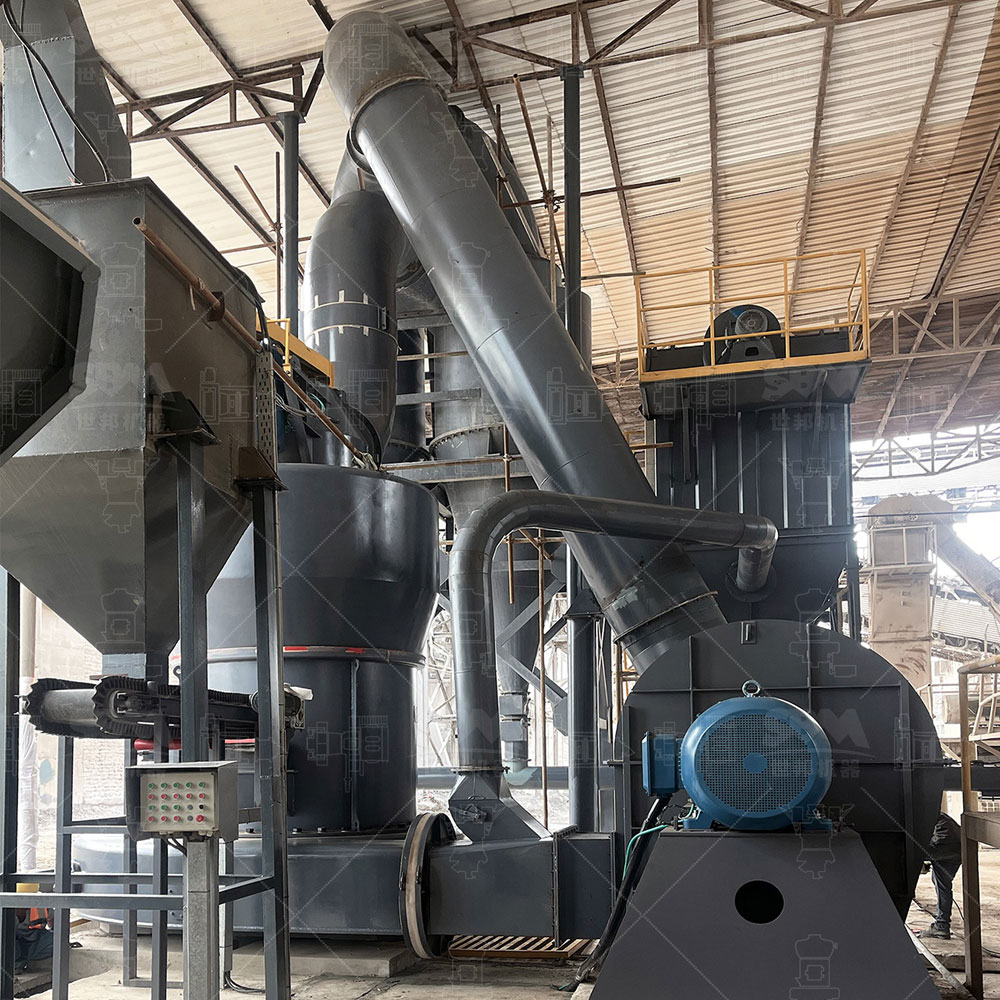
One of the most significant pain points for clients is product degradation and contamination. Powders processed by advanced equipment like the SCM Ultrafine Mill can have fineness levels exceeding 2500 mesh. These ultra-light, cohesive materials are highly susceptible to absorbing moisture from the air or becoming aerated, which complicates handling and packing. High-end automatic packaging systems address this by incorporating inert gas (like nitrogen) purging options during the filling process, displacing oxygen to prevent oxidation or moisture absorption for sensitive materials. Furthermore, the entire filling zone is often enclosed with HEPA filtration systems, ensuring that the product's purity—a quality meticulously achieved during the grinding phase—is maintained until the package is hermetically sealed. This level of protection is essential for sectors like lithium battery materials, premium cosmetics, or specialty chemicals.
Operational flexibility and quick changeover are other critical considerations. A plant may produce multiple powder products—from coarse mineral fillers to superfine talc—using different grinding circuits. An automatic packaging machine with programmable logic controllers (PLC) and touch-screen HMIs can store dozens of recipes. With a few taps, operators can switch between bag sizes, target weights, and filling speeds. This agility minimizes downtime and allows producers to respond swiftly to custom orders. This intelligence mirrors the automated control systems found in our LUM Ultrafine Vertical Mill, where parameters like grinding pressure and classifier speed are precisely managed. When the packaging stage is equally smart, the entire production line transforms into a responsive, data-driven operation. Sensors monitor fill weights in real-time, providing statistical data for quality assurance and reducing giveaway (overfilling), which represents direct material cost savings.
Beyond the primary filling function, a complete automatic packaging line encompasses several downstream processes. These include bag placers, checkweighers to verify fill accuracy, metal detectors for final quality control, and code printers for traceability. The most advanced lines integrate robotic palletizers that stack filled bags onto pallets uniformly, eliminating strenuous manual labor. The return on investment is calculated not just in labor savings, but in reduced product loss, enhanced safety compliance, and improved customer satisfaction through consistent, professional packaging. For a company whose grinding equipment serves over 180 countries, understanding this holistic workflow—from the first crush of raw material in a Ball Mill to the final pallet leaving the warehouse—is what defines a true total solution provider.
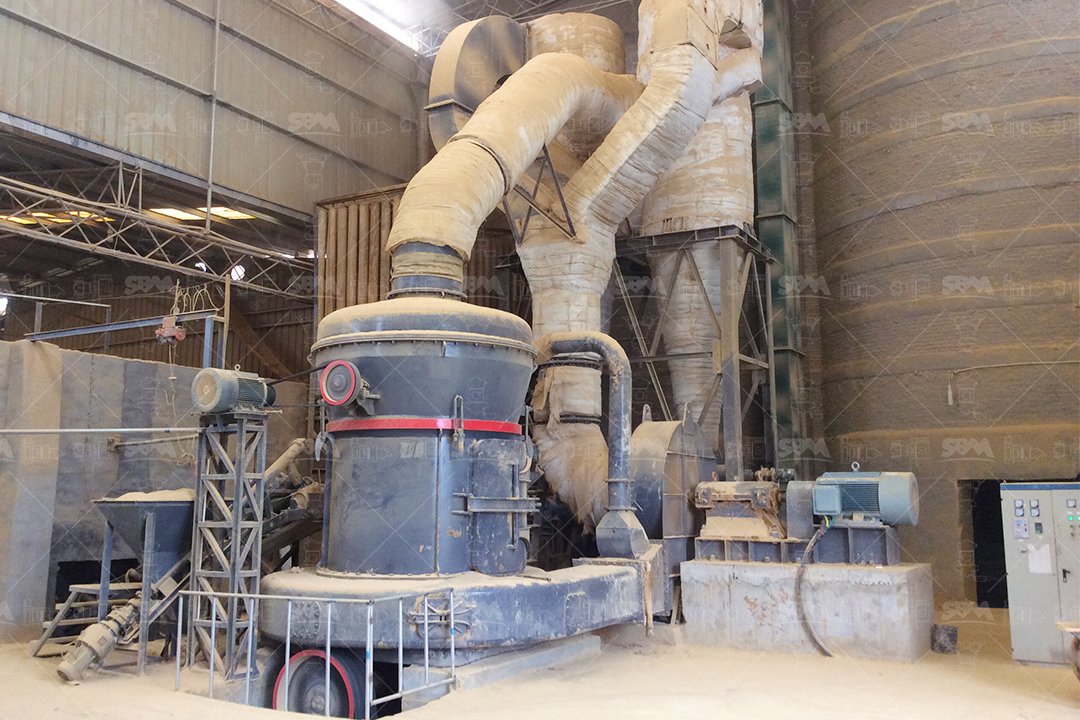
In conclusion, automatic powder packaging is not an auxiliary activity but a core component of a competitive powder processing business. It encapsulates the final value-addition step. By integrating robust, intelligent packaging technology with high-performance grinding machinery like the MTW European Trapezium Grinding Mill or Ultrafine Vertical Mill, producers can achieve a continuous, clean, and cost-effective operation. This synergy ensures that the technical advantages cultivated in the grinding phase—be it low wear, energy efficiency, or environmental protection—are fully realized in the final product delivered to the customer. Investing in the right packaging solution is, therefore, an investment in brand reputation, operational excellence, and sustainable growth.
Frequently Asked Questions (FAQs)
- How do automatic packaging systems handle different powder flow characteristics, from free-flowing to highly cohesive?
Modern machines use a variety of filling technologies. For free-flowing powders, gravity-fed or impeller systems are efficient. For cohesive, aerated, or ultra-fine powders (like those from an ultrafine mill), specialized auger fillers with de-aeration systems or pressurized tank fillers with fluidizing pads are used to ensure consistent and accurate dosing. - What are the main causes of dust emission during packaging, and how is it controlled?
Dust is primarily generated during bag venting, filling, and sealing. Control is achieved through integrated dust extraction hoods at the filling point, using spouts that form a tight seal with the bag valve, and employing negative pressure systems within the bag to capture displaced air and particles before they escape. - Can one packaging line handle multiple bag types and sizes efficiently?
Yes, versatile automatic lines are designed for quick changeover. They feature adjustable bag holders, programmable settings for different weights, and often robotic bag placers. Changeover time can be reduced to minutes with well-designed tooling and recipe-driven PLC controls. - How does automatic packaging contribute to reducing product waste and giveaway?
High-precision load cells and feedback-controlled augers provide extremely accurate fills (e.g., ±10 grams on a 25kg bag). Checkweighers downstream can reject under/overweight bags and provide data to fine-tune the filler, minimizing both giveaway and underfill complaints. - What level of integration is possible between our existing grinding/milling production line and a new packaging system?
Full integration is standard. Packaging systems can receive powder directly from silos via pneumatic conveyors or screw feeders. Control systems can be linked to the main plant SCADA, allowing for centralized monitoring of production rates, inventory levels (from mill output to packed bags), and overall equipment effectiveness (OEE).


